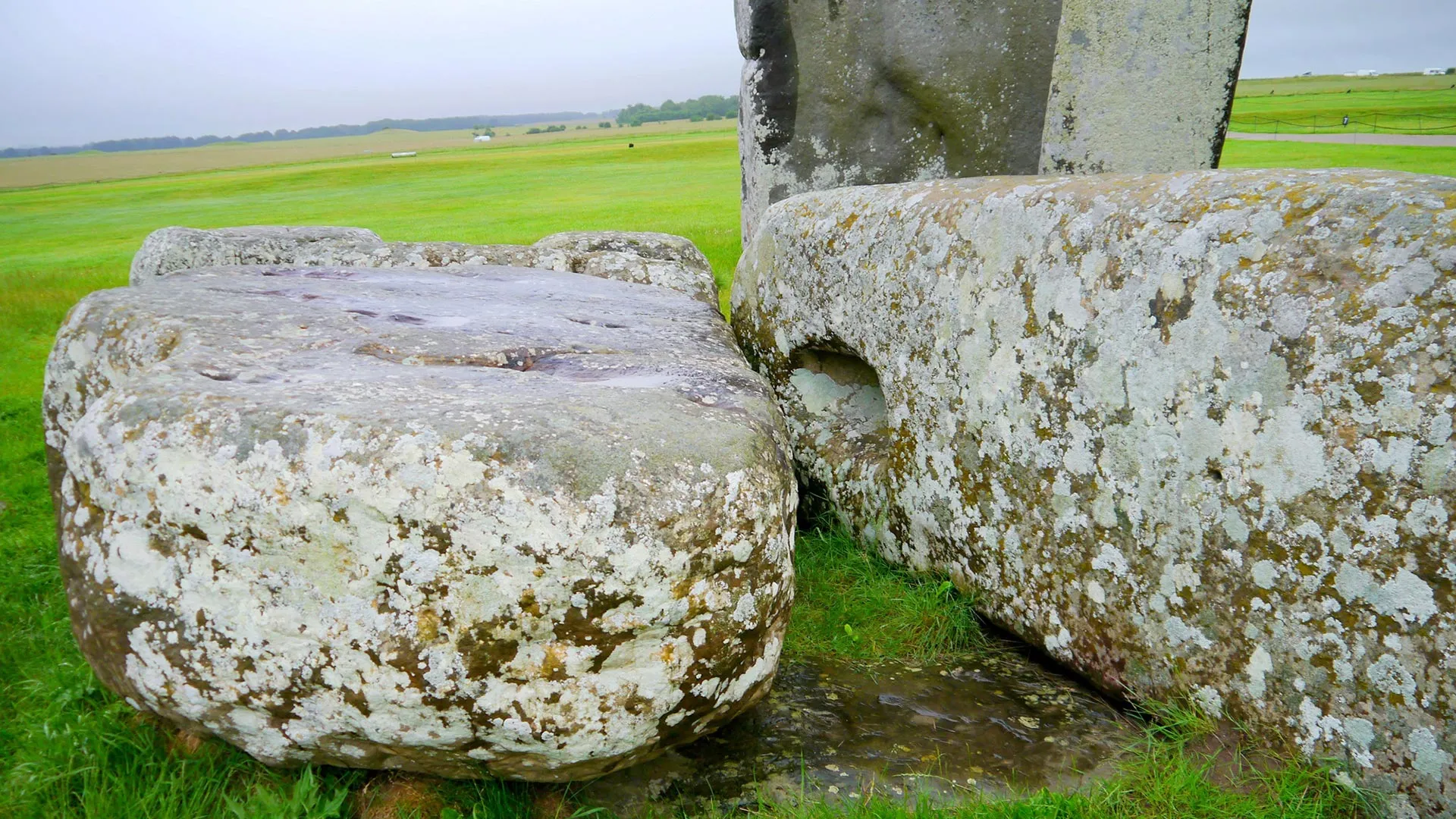
Scientists have narrowed the search for where Stonehenge's Altar Stone originated, though its exact source remains unknown. The study, published in the Journal of the Geological Society, used advanced analytical techniques to examine the sandstone slab's physical structure, mineral content, chemical composition, and isotopic signatures.
The 4.9-meter-long stone sits at the heart of the prehistoric monument on Salisbury Plain in southern England. For over a century, researchers believed it came from Wales, but recent investigations pointed instead to northeastern Scotland. The new study examined locations in Scotland's Orcadian Basin but found none that matched the stone's distinctive geological fingerprint.
Professor Duncan Pirrie of the University of South Wales, who led the study, stated: "This is the most comprehensive geological investigation of the Altar Stone ever undertaken. By combining a wide range of analytical techniques, we have built the clearest picture yet of the stone's composition and tested the leading theories about its origins. So far, none of the locations examined have the same set of characteristics as the Altar Stone."
The findings eliminate several possibilities while concentrating future investigations on more promising areas. If researchers eventually identify the stone's source in Scotland, it could reveal how prehistoric communities transported enormous stones across remarkable distances. Stonehenge was constructed between approximately 3000 and 1600 BC, with builders moving massive stones including smaller bluestones roughly 225 kilometers from western Wales. A journey from northeastern Scotland to Salisbury Plain would have been considerably longer.
The international research team included geologists and archaeologists from the United Kingdom, Canada, Italy, and Sweden, representing institutions including Aberystwyth University, University College London, the University of Aberdeen, and the James Hutton Institute.