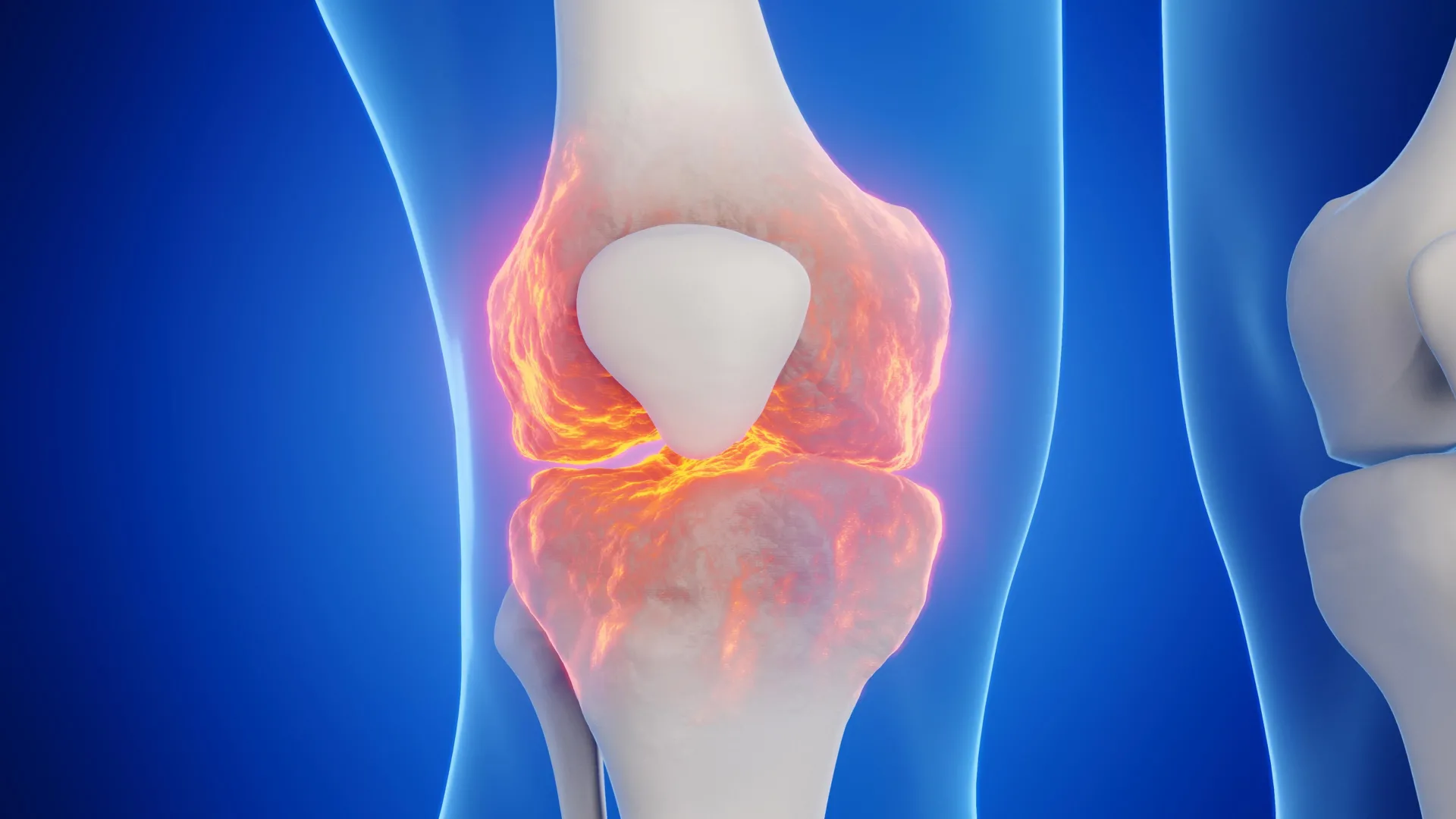
Two phase 3 trials led by Northwestern University tested retatrutide, an experimental injectable weight-loss drug, in more than 1,000 participants with knee osteoarthritis. Participants receiving the highest dose lost an average of about 25% of their body weight. Approximately two-thirds of those treated with retatrutide reported at least a 50% reduction in knee pain, compared to 38% of those given a placebo.
Retatrutide activates receptors associated with three different naturally occurring hormones, producing greater weight loss than existing GLP-1 medications like semaglutide and tirzepatide, which typically produce 10% to 20% reductions. Participants also showed reductions in blood pressure, blood lipid levels, and inflammation. The findings appeared on November 8 in the New England Journal of Medicine.
Dr. Thomas Schnitzer, professor of physical medicine and rehabilitation at Northwestern University Feinberg School of Medicine, explained the mechanism: "A major factor is that you're loading your knees less and therefore, there's less pain and it allows you to increase your function."
Schnitzer emphasized that lifestyle changes should remain the starting point for treatment. Weight loss of 5% to 10% through diet and exercise can improve knee osteoarthritis pain, but achieving more than 10% through these approaches alone is often difficult, particularly for people whose painful knees limit their ability to exercise.
Important questions remain unanswered. Researchers do not yet know whether retatrutide can slow the underlying progression of knee osteoarthritis or reduce the likelihood of eventual knee replacement surgery. The trials excluded people who already required knee replacement. The trials also did not include people with painful knee osteoarthritis who are not overweight, so further studies are needed to determine whether they could benefit. Researchers are also investigating how much pain relief comes directly from weight loss versus the drug's effects on inflammation.