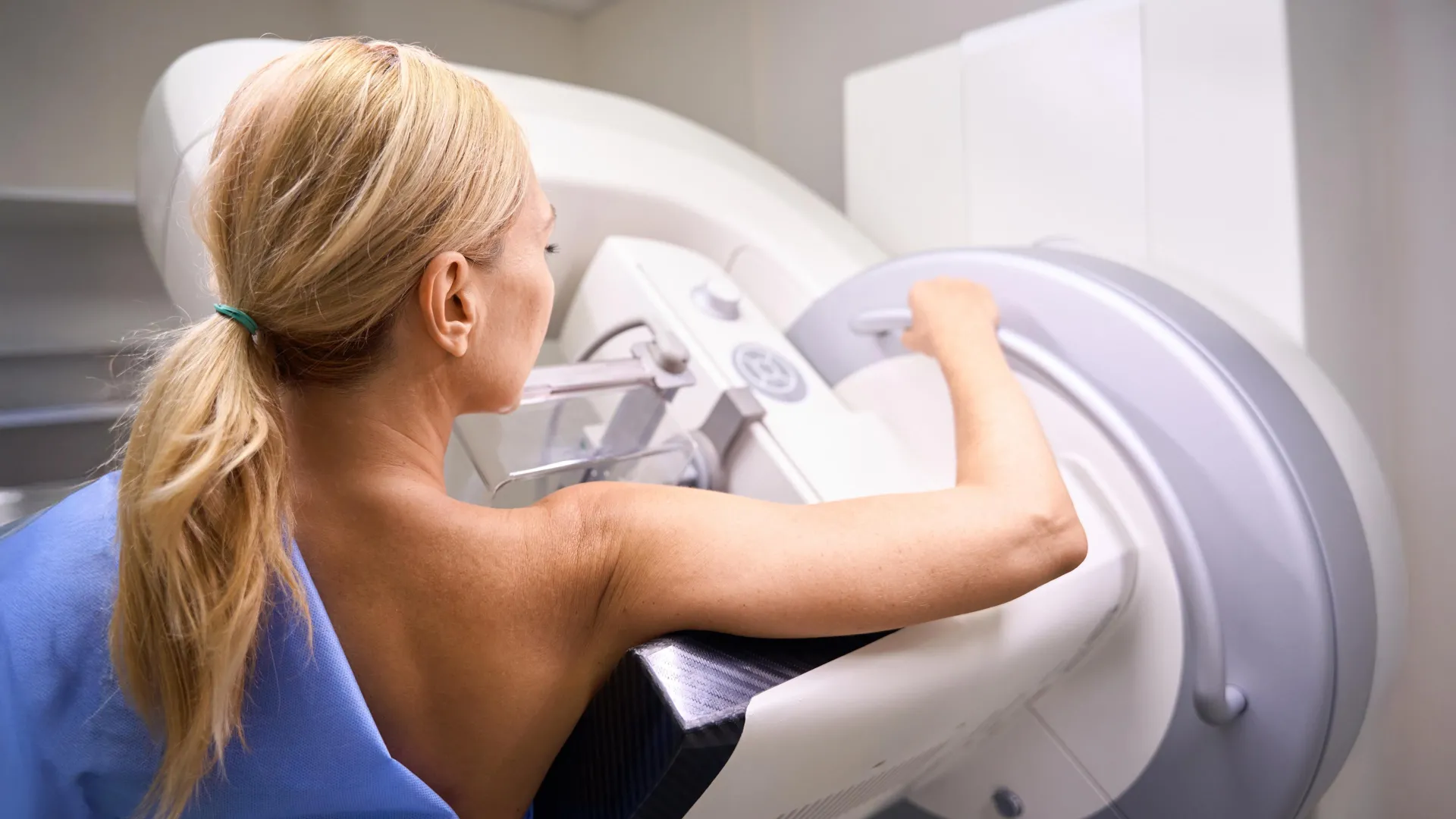
# Breast Cancer Screening May Carry Less Risk Than Decades of Research Suggested
Mammography screening for breast cancer produces dramatically lower rates of overdiagnosis than scientists have believed for the past three decades, according to a comprehensive reanalysis of foundational clinical trials.
Researchers examined all eight major randomized controlled trials on breast cancer screening and recalculated overdiagnosis rates by standardizing how researchers measured follow-up duration, screening frequency, and continued screening after trials officially ended. The reanalysis yielded overdiagnosis rates below 5%, contradicting earlier estimates that ranged from 30% to 50%.
This finding reshapes one of modern medicine's most contentious debates. Overdiagnosis occurs when mammography detects cancers that would never have caused harm or death. These detected cancers lead to unnecessary treatment, including surgery, chemotherapy, and radiation. For three decades, substantial portions of the medical and public health communities warned that mammograms detected too many inconsequential tumors, causing patients to undergo invasive procedures without benefit.
The new work challenges that narrative by identifying methodological flaws in how previous researchers calculated overdiagnosis rates. Different trials employed different screening intervals, ranging from annual to triennial mammograms. Some trials continued screening patients after the formal study period ended, meaning researchers could not fully track whether detected cancers would have caused death. These variations created apples-to-oranges comparisons that inflated overdiagnosis estimates.
When researchers standardized these variables across all eight trials, the picture changed substantially. The data now indicate that fewer than 5% of detected breast cancers represent true overdiagnosis. This represents a middle ground between advocates who emphasized overdiagnosis harms and those who stressed mammography's life-saving benefits.
The implications matter enormously. If overdiagnosis rates approached 50%, as some studies suggested, then for every cancer death prevented through screening, roughly one woman would face unnecessary treatment. At rates below 5%, the calculus shifts dramatically in screening's favor. Women who undergo mammography gain substantially higher odds of detecting cancers early, when treatment proves more effective and less invasive.
The reanalysis does not eliminate overdiagnosis as a legitimate concern. Even at 5%, thousands of women annually receive unnecessary diagnoses and treatments. Patient autonomy remains paramount. Women deserve accurate information about both screening benefits and harms before choosing whether to participate in mammography programs.
The findings also highlight how screening recommendations vary globally. Some countries recommend routine mammograms beginning at age 40, while others wait until 50. Some screen annually, others every two years. These policy differences partly reflect disagreements about overdiagnosis rates that the new analysis helps resolve.
Future research should focus on identifying which tumors detected by mammography pose genuine threats and which would remain dormant or regress. Advances in genomic analysis and imaging may eventually allow clinicians to distinguish aggressive cancers from indolent ones, sparing women unnecessary treatment while preserving screening's benefits. Until then, the corrected overdiagnosis estimates provide a more accurate foundation for screening decisions at both individual and population levels.