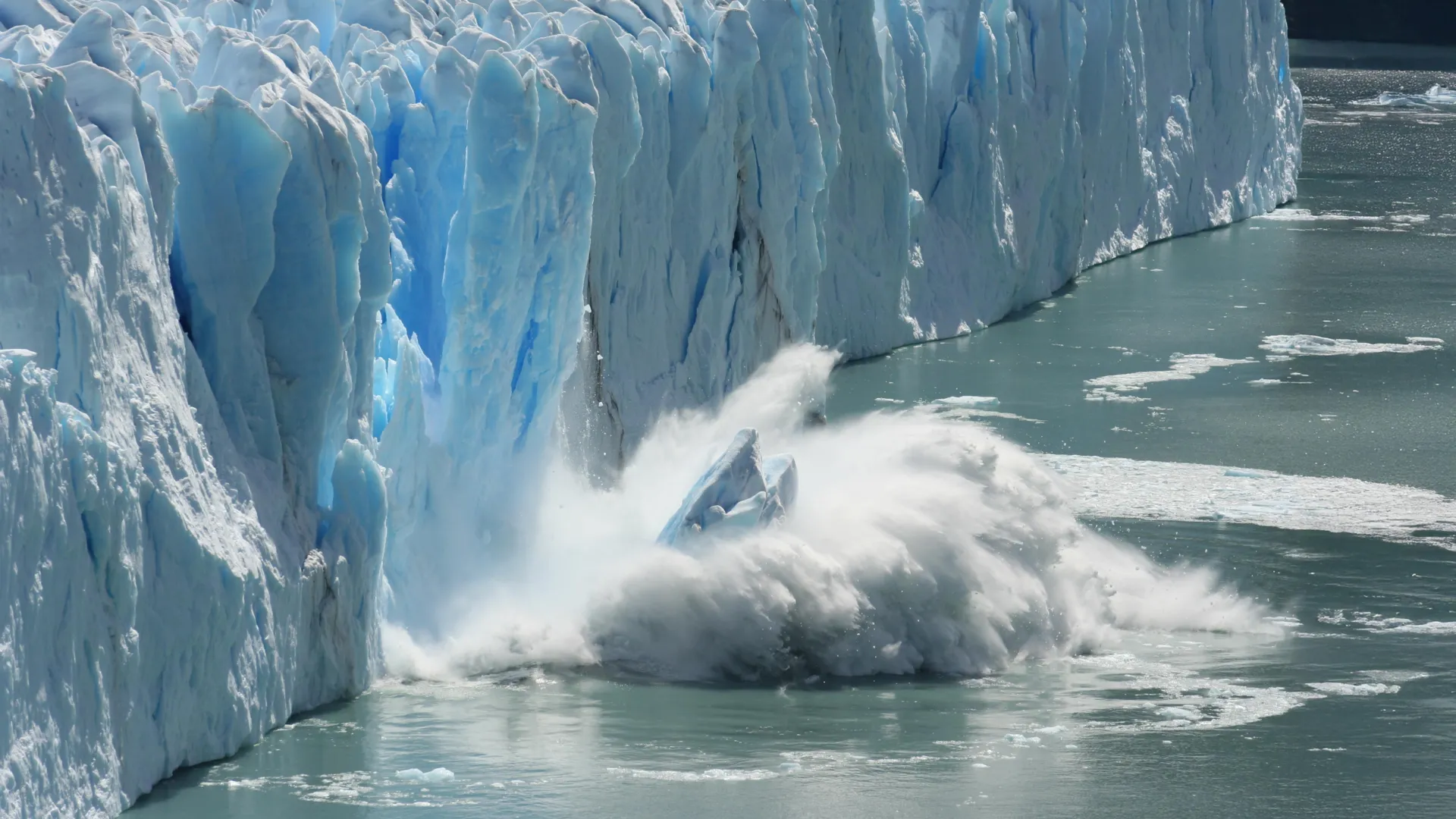
Researchers from MIT and the Woods Hole Oceanographic Institution analyzed satellite data on over 15,000 Antarctic ice cliffs between 2019 and 2023 and found that cliff collapse does not necessarily trigger runaway ice sheet retreat, challenging decades of scientific assumptions.
The study, published in Science, examined whether ice cliffs taller than 100 meters become structurally unstable and collapse under their own weight, potentially triggering a chain reaction called marine ice cliff instability (MICI). Earlier research based on computer models predicted this scenario would cause dramatic sea level rise.
The satellite observations revealed a different pattern. Graduate student Caroline Needell and co-authors Catherine Walker at WHOI and Jeremy Bassis at the University of Michigan found that when the tallest cliffs, reaching up to 127 meters, did collapse, glaciers retreated faster than existing models predicted. But this retreat was short-lived. "We found that the retreat was short-lived, and all the glaciers eventually stabilized," Needell says. "We don't see this runaway effect."
The researchers identified factors beyond height that stabilize cliffs. Thicker accumulations of melange, a slushy mixture of sea ice and iceberg fragments piled in front of cliffs, appeared to support the ice walls. Deeper surrounding seawater also exerted greater pressure against cliffs, helping prevent collapse. The underlying terrain beneath the ice, including buried ridges, acted as natural speed bumps that reduced ice thickness and made cliffs less vulnerable.
The average Antarctic ice cliff measured approximately 30 meters tall, far shorter than the 100-meter threshold considered dangerous by earlier models.