French Weir Park in Taunton has the highest failure rate of any bathing site in the UK, failing water quality tests on 68% of sampling days this summer. The Environment Agency tests for E. coli and intestinal enterococci, two types of faecal bacteria that can sicken people if ingested.
One swimmer, Jenny Hillier, reported becoming ill with diarrhoea, vomiting and muscle cramps within six hours of swimming there in summer 2024. She was unwell for seven to ten days.
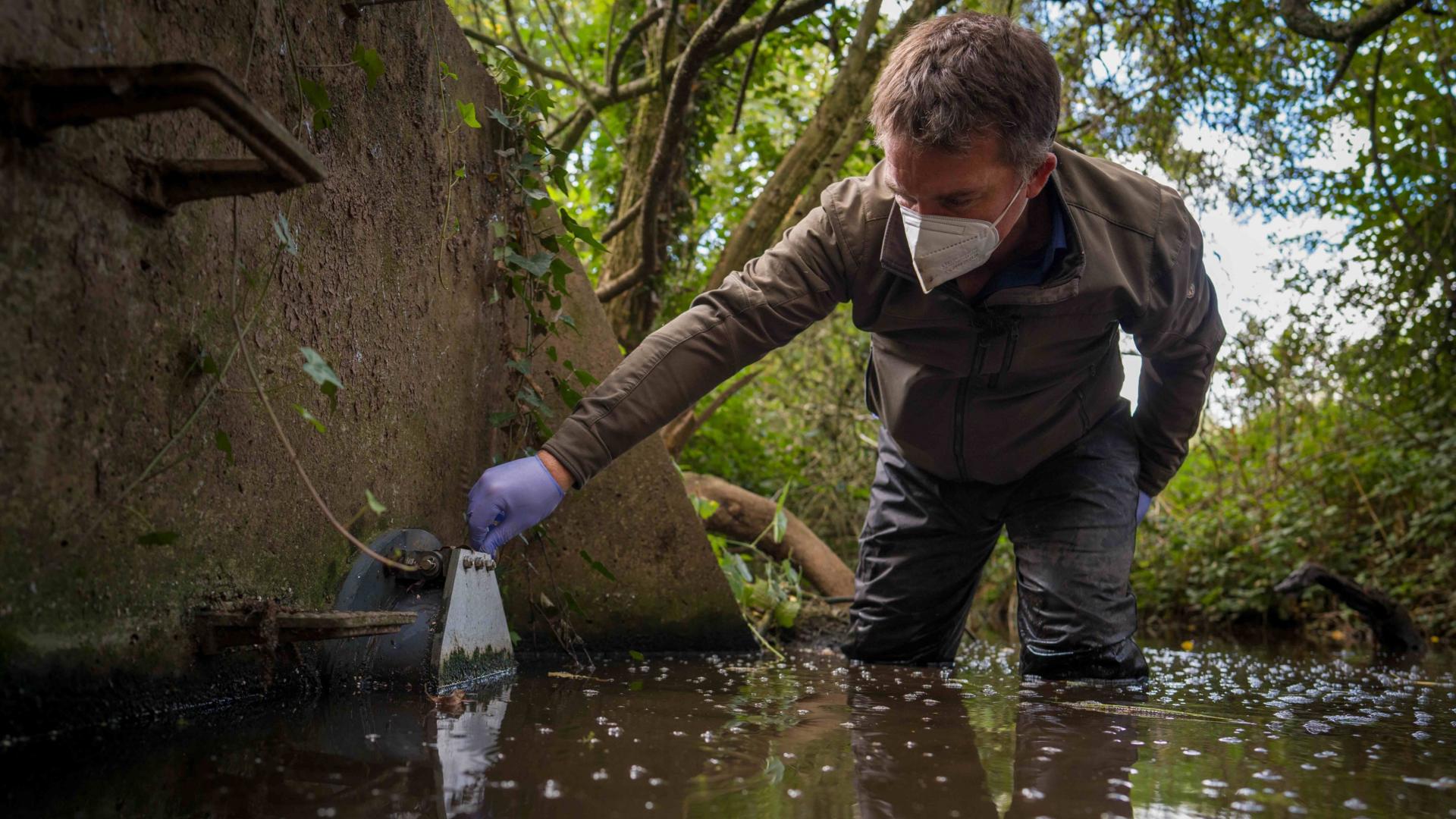
The BBC conducted its own water sampling near wastewater treatment works upstream of the bathing site. At Bradford-on-Tone sewage works, the treated liquid leaving the facility contained about 240,000 colony forming units of E. coli per 100ml, roughly 250 times higher than the level considered safe for swimming.
Dr Rob Morley from Index Microbiology analysed the samples. Water taken above the point where treated wastewater enters the river showed 199 CFU of E. coli, acceptable for swimming. Water taken just below showed 7,701 CFU, more than eight times the regulators' limit. "You can see where it's seeding the river with pollution," Morley said.
E. coli testing using e-DNA analysis arranged with researchers at the University of Bristol revealed mixed origins. "Some were from humans, some were from animals and some were just generic from the environment," Morley said. "It definitely suggests that some of the E. coli is definitely coming from human origins, therefore potentially from that treatment works."
Wessex Water said its Bradford-on-Tone treatment works was operating normally and meeting all permit conditions set by the Environment Agency. The BBC found no laws or regulations governing how much bacteria water companies can discharge in treated effluent.
Jim Flory, a regional manager for the Environment Agency in the south-west, explained that sewage treatment permits are designed to protect river ecology and wildlife, not bathing water regulations meant to protect swimmers. This has created a system where designated bathing sites discover high bacteria levels, then enter a lengthy investigation process to identify sources and determine whether fixes are affordable.