On Nov. 2, 2026, officials in Center Township in Beaver County, Pennsylvania, about 25 miles from Pittsburgh, issued a boil-water advisory after a routine water sample tested positive for coliform bacteria, including E. coli. The advisory remained in place while the water authority continued testing. Central Valley School District students attended class remotely on Nov. 3-4 as a precaution. Officials lifted the advisory on Nov. 4.
A single positive E. coli result can disrupt an entire community's daily routines, from drinking water to washing dishes. Sarah Fakhreddine and Marlee Shaffer, environmental engineers at Carnegie Mellon University, explained the science behind the response.
E. coli in drinking water signals potential contamination by harmful bacteria, viruses, or parasites. Most E. coli strains don't sicken people, but the bacterium lives in human and animal digestive systems. Scientists use it as an indicator that water has been exposed to human or animal waste, which can carry disease-causing germs.
Contamination occurs when water treatment fails to fully remove pathogens or when pipes break and pressure drops, allowing contaminated water to enter the distribution system. The U.S. Environmental Protection Agency sets a goal of zero E. coli in drinking water. A single sample represents water quality at one moment and location. Because systems are interconnected, a problem in one area may mean contamination elsewhere.
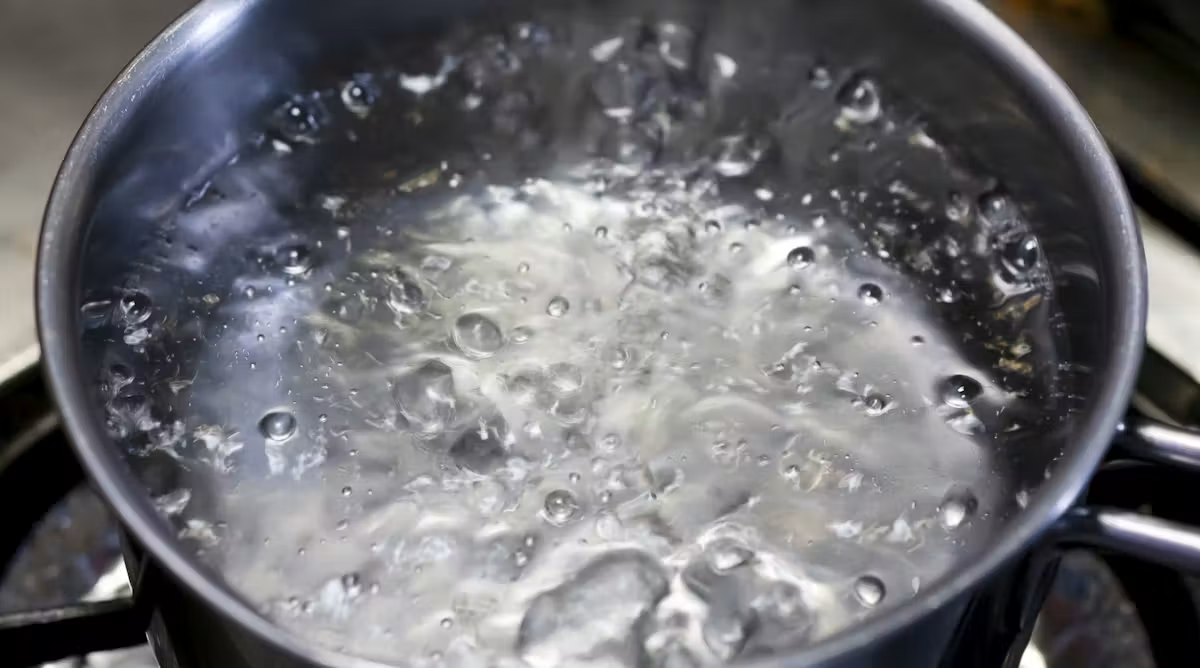
Boiling water kills harmful bacteria and protozoa and inactivates viruses by damaging their structural components. Research shows that at boiling temperatures, most harmful microbes die in under a minute.
Before lifting a boil-water advisory, utilities must investigate the contamination source, fix the problem and test additional samples. They report findings to state or federal regulators. In Pennsylvania, the Department of Environmental Protection requires two consecutive days of negative samples after addressing the issue.
Schools face particular challenges during advisories because water is needed for food preparation, washing produce and cleaning dishes. Children are more vulnerable than healthy adults to waterborne illnesses, making school compliance especially important. Some schools stay open while complying with the advisory, while others close or switch to remote learning.