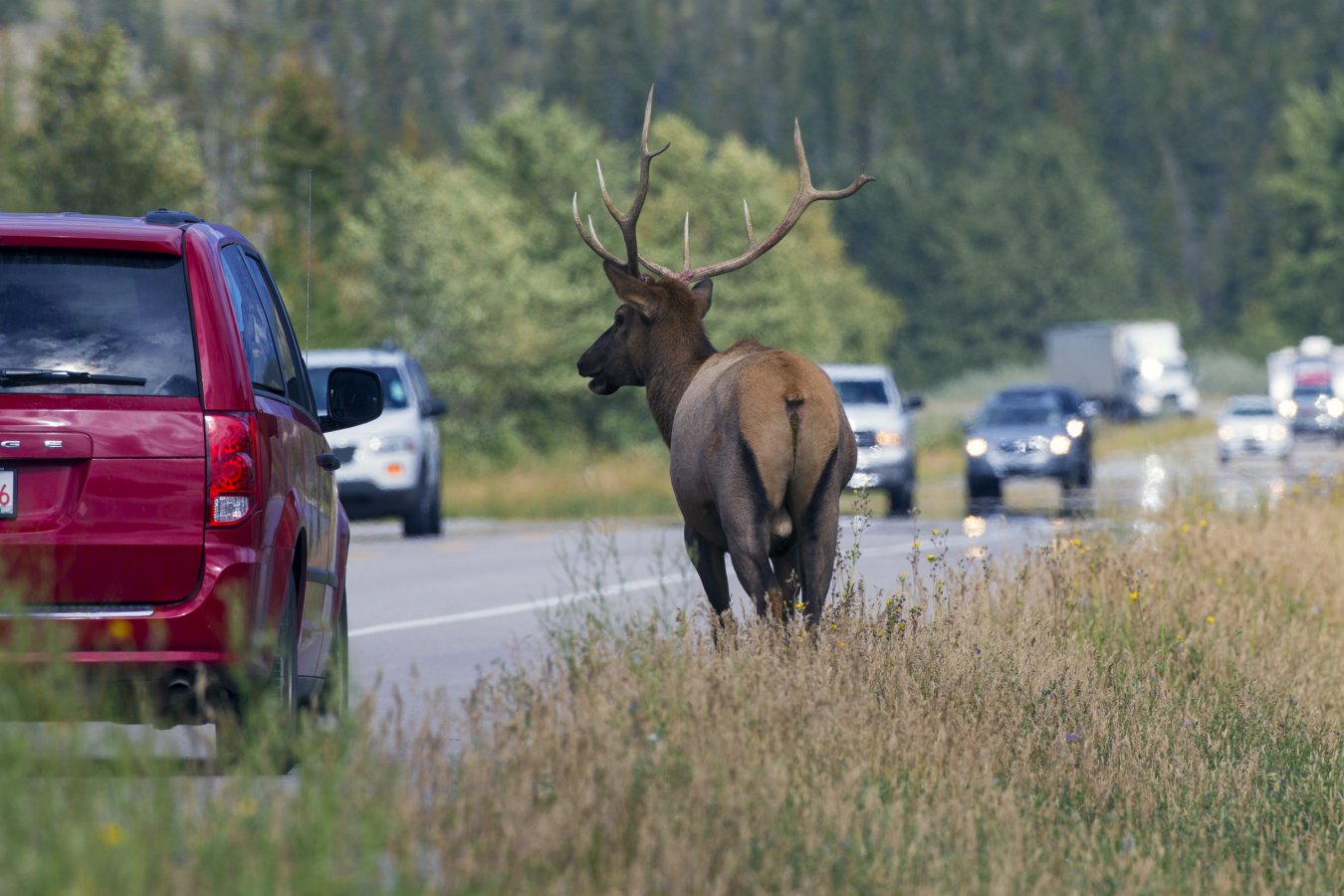
A meta-analysis of 214 experimental studies on 177 aquatic and terrestrial species found that noise pollution altered at least one physiological, developmental or behavioural trait in 80 per cent of the species studied, spanning six continents. The analysis was published in Science and conducted by Hansjoerg Kunc at Queen's University Belfast and Rouven Schmidt.
Noise pollution forces predators to work 2.5 times harder to catch 25 per cent less prey overall. Bats expend more energy and are less successful at hunting when subjected to ambient noise. Ship engine noise disrupts communication and disorientates marine life such as whales and dolphins. Animals learn to avoid noisy habitats, shrinking their available area and limiting population size. Dolphins actively avoid noisy coastlines, while bats have been shown to avoid roads that were noisy during a motorcycle rally long after the vehicles had left.
In noise-polluted areas, mortality among animals studied jumped by 138 per cent on average. Underwater explosions from oil and gas exploration can cause a fish's bladder to explode. Starvation from reduced hunting success occurs more gradually.
Kunc notes that some predators might benefit from noise in the short term, but the overall ecosystem effect is negative because natural dynamics are being warped by external stress. He calls for more protection of the acoustic environment alongside conservation of physical habitats.
Some efforts are under way. US national parks such as Yellowstone have designated quiet zones that reduce noise by 3 to 5 decibels, according to Rachel Buxton, formerly of the US National Parks Service and now at Carleton University in Canada. Carlos Duarte, an expert on ocean noise at the King Abdullah University of Science and Technology in Saudi Arabia, argues for enforcing acoustic limits in marine protected areas and setting noise limits for ships.
Electric vehicles and electric motorboats produce less noise and could reduce disturbance to wildlife, Duarte says. During the covid-19 pandemic, ocean noise pollution dropped by 20 per cent, leading to marine life returning to busy waterways and city shorelines.