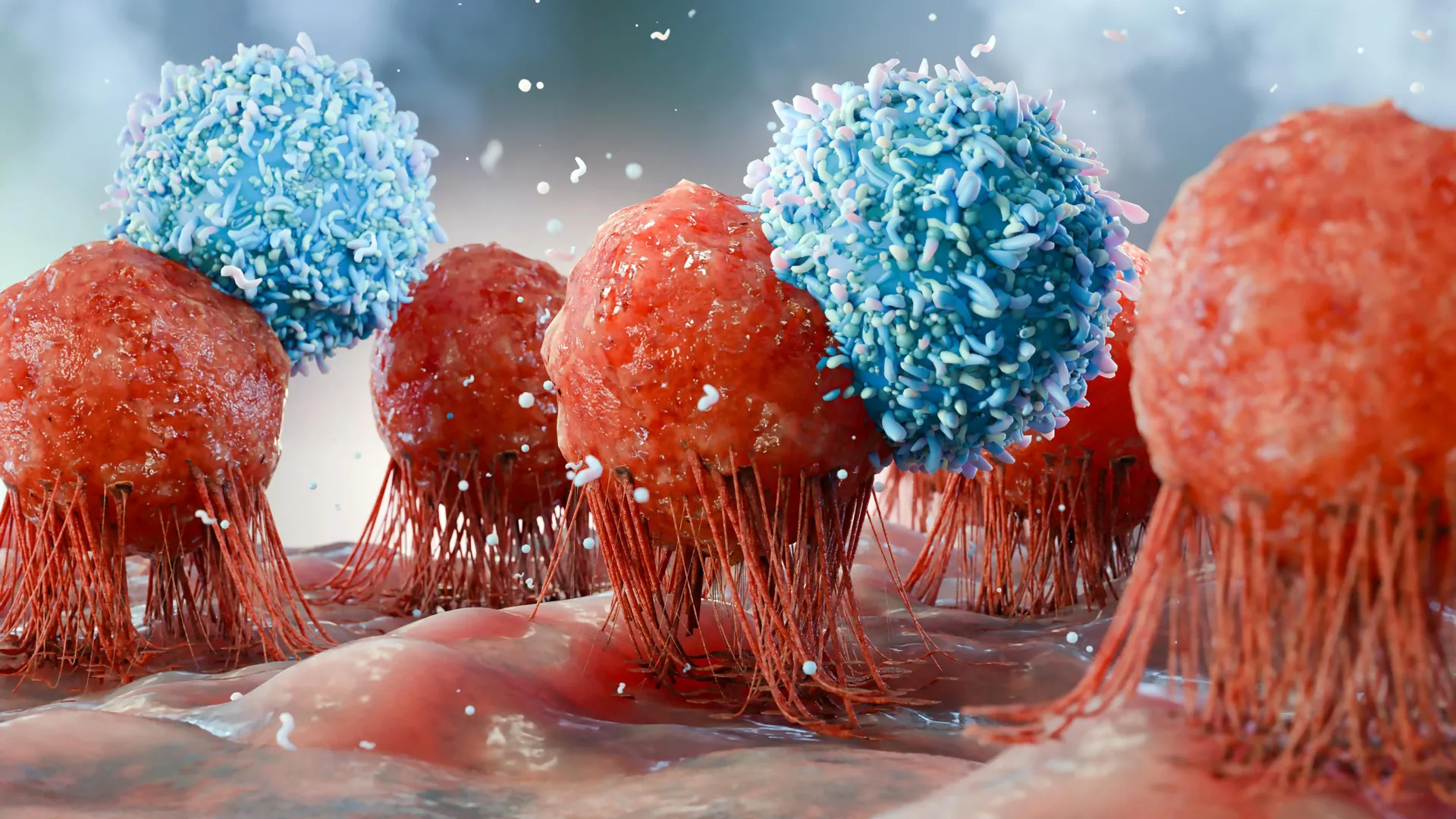
Researchers at the University of Cambridge and Oregon Health & Science University discovered that tumors release a naturally occurring antioxidant protein called Peroxiredoxin 1 (PRDX1) that disarms the immune system's ability to fight cancer. The findings appear in Science.
T cells, which are specialized immune cells, need small amounts of reactive oxygen species to activate and destroy tumor cells. However, cancer cells flood their surroundings with PRDX1, which removes the reactive oxygen species that T cells depend on, effectively silencing the immune response.
When researchers used CRISPR gene editing to prevent cancer cells in mice from producing PRDX1, tumor growth slowed and immune cells became more active. The team then examined human cancer cell lines, analyzed gene activity patterns in thousands of human tumors, and studied fluid from surgically removed tumors. All three lines of evidence confirmed that human cancers also release PRDX1.
Dr. Xan Wesolowski of Cambridge's Department of Pathology said the discovery challenges how scientists think about reactive oxygen species. "We tend to think of reactive oxygen species purely as damaging byproducts of metabolism. But we are increasingly understanding they have important functions within cells, and T cells need them to activate. Our study develops this picture, revealing that tumors can exploit this very dependency to evade elimination."
In experimental models, blocking PRDX1 production improved the response to immunotherapy. Some tumors that previously resisted treatment became responsive when the antioxidant defense was disrupted. Professor Rahul Roychoudhuri from Cambridge said the findings identify a new therapeutic target. "When we block this process, tumors that don't respond to some immunotherapies start responding to treatment."
Dr. Robert Eil from Oregon Health & Science University suggested an alternative approach: "Rather than using antioxidants, it could be that pro oxidants can kickstart the T cells into action against tumor cells."
The results may explain why large randomized clinical trials have failed to show that antioxidant supplements reduce cancer risk, and why some studies found antioxidant supplements associated with worse outcomes. Although reactive oxygen species can damage cells, removing too many could unintentionally interfere with the immune system's cancer-fighting ability.
The researchers emphasized their findings remain preclinical. Although they found evidence of the antioxidant mechanism in human cancers, the treatment strategies have not been tested for safety or effectiveness in patients. People with cancer should not change their diet, supplement use, or medical treatments based on these findings without consulting a healthcare professional.