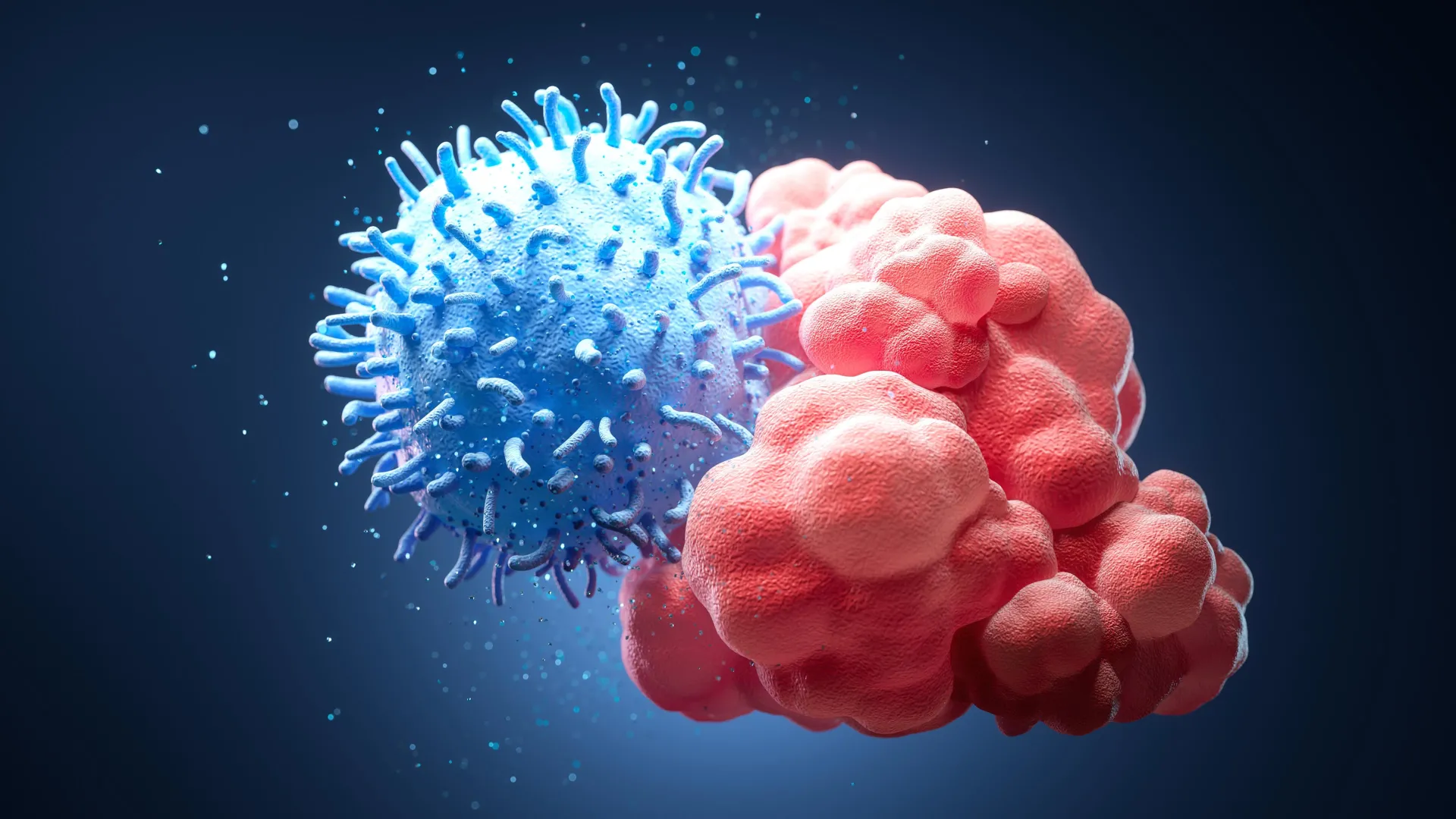
Scientists at McGill University discovered that tissue-resident memory T cells can detect the stiffness of their surrounding tissues and use this physical information to develop into long-lasting immune cells. The finding challenges the previous assumption that these specialized immune cells respond only to chemical signals.
Researchers placed T cells from humans and mice inside collagen gels designed to mimic tissues with varying stiffness levels. As the gels became stiffer, T cells increasingly acquired characteristics of tissue-resident memory cells, which provide long-term immune protection.
"This is an exciting fundamental finding that challenges the way we think about immune cells," said Judith Mandl, a professor in McGill's Department of Physiology and lead author of the study, published in Nature Immunology. "It suggests T cells can 'feel' their surroundings and adapt to them, making the physical environment an active force in shaping their behavior."
The research involved teams from McGill's Department of Physiology, the Alan Edwards Centre for Research on Pain, the Department of Bioengineering, and the McGill University Health Centre, with collaborators in the Netherlands and the United States.
The discovery could inform treatment approaches for autoimmune disorders, allergies, and transplant rejection. Mandl noted that tumors are often physically dense and difficult for immune cells to penetrate. Understanding how T cells adapt to different mechanical environments could help researchers design cancer immunotherapies that better reach and attack tumors.
The team plans to identify the specific molecular sensor that allows T cells to detect physical properties of their environment and to determine how mechanical forces convert into changes in cell behavior.