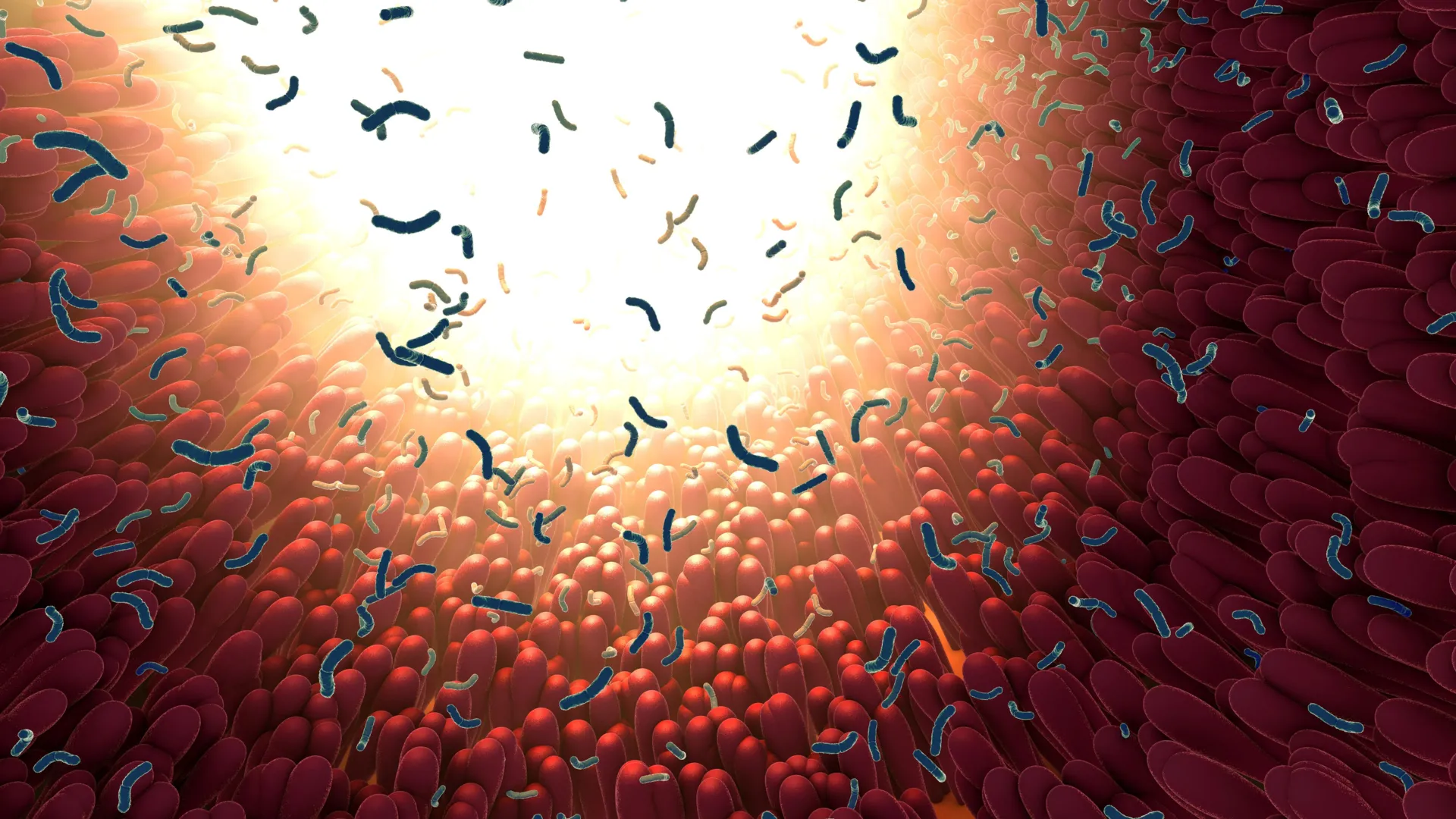
Researchers led by Joshua Rabinowitz at the Princeton Branch of the Ludwig Institute for Cancer Research and Jenna AbuSalim discovered that certain plant proteins that resist digestion may shape which chemicals gut bacteria produce, working alongside fiber to influence health outcomes.
In a study published in the Proceedings of the National Academy of Sciences, the team examined phenol metabolites, chemicals produced when gut bacteria break down amino acids. Some phenol metabolites, like phenylpropionate and hippuric acid derived from phenylalanine, are associated with healthy body weight and better gut health. Others, like p-cresol sulfate and phenol sulfate derived from tyrosine, have been linked to worse outcomes in cancer patients and harmful effects in people with kidney disease.
The researchers found that both plant fiber and indigestible plant proteins, which they call "proteins imitating fiber" or Prif, shift bacteria toward producing beneficial metabolites. AbuSalim said the proteins "cooperate with plant fiber to change how gut bacteria process nutrients, shifting their activity toward the production of beneficial phenol metabolites."
Using isotope-labeled proteins to track their movement in mice, the team found that harmful phenols came from bacteria breaking down the host's own proteins, including those in the protective mucus layer lining the intestines. Beneficial phenols came almost entirely from indigestible dietary proteins. Fiber suppressed bacterial consumption of the gut's protective mucus, while Prif supplied alternative nutrients encouraging healthy metabolite production.
Rabinowitz suggested the implications could reach nutrition labels. "Food packaging may eventually list Prif right below fiber," he said.
A companion study published in Nature Metabolism in June challenged the assumption that gut bacteria are responsible for producing all metabolites traditionally attributed to them, including indole metabolites formed from tryptophan.