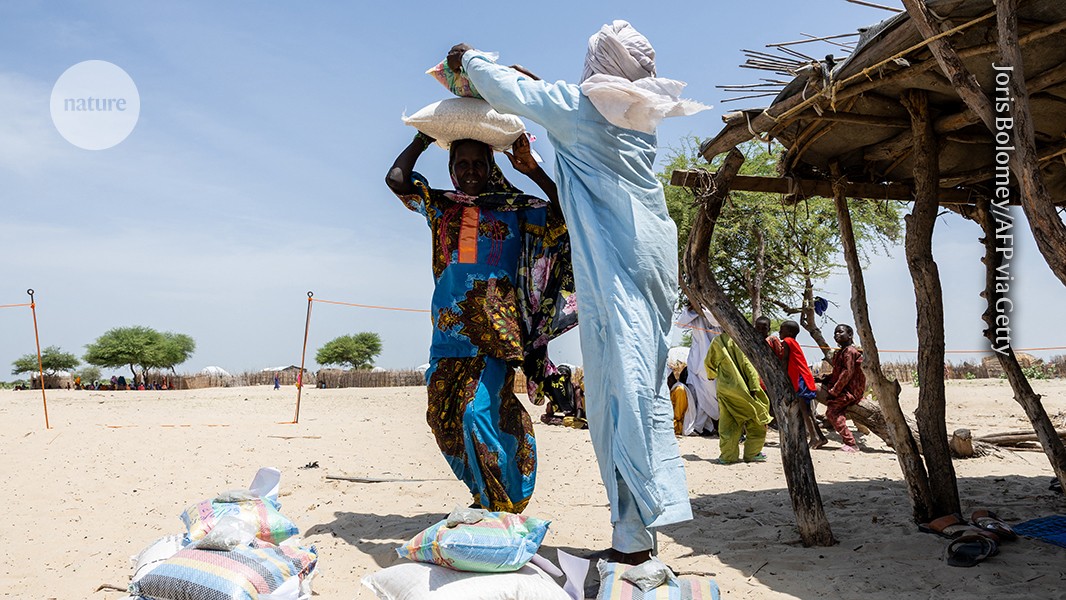
Sea surface temperatures in the eastern Pacific have exceeded those of the four other very strong El Niño events recorded in the past 50 years, signaling that the 2026–27 El Niño cycle could be one of the strongest in more than a century. Eoin McLaughlin, a professor of economics at Heriot-Watt University, and Matthias Beck, a professor of management at University College Cork, note that the threat extends beyond immediate weather impacts to health and economic consequences.
El Niño brings droughts or floods to different regions through warmer than usual waters in the Pacific Ocean. Panama and Indonesia are experiencing low rainfall, while Brazil is preparing for wildfires. Past El Niño events have caused substantial economic losses. The 1982–83 event resulted in a global income loss of US$4.1 trillion, and the 1997–98 event resulted in $5.7 trillion. Life expectancy at birth in ten relatively wealthy Pacific Rim countries dropped by 0.54 years during the 1982–83 event and by 0.37 years during the 1997–98 one.
El Niño exposure has been linked to childhood undernutrition with measurable effects on height and weight. The impact of the current El Niño will depend on the resilience of affected regions' food, agriculture, and health systems. The World Health Organization and other global organizations recognize these risks, though climate change, food insecurity, and infectious diseases are often treated separately despite being interdependent.