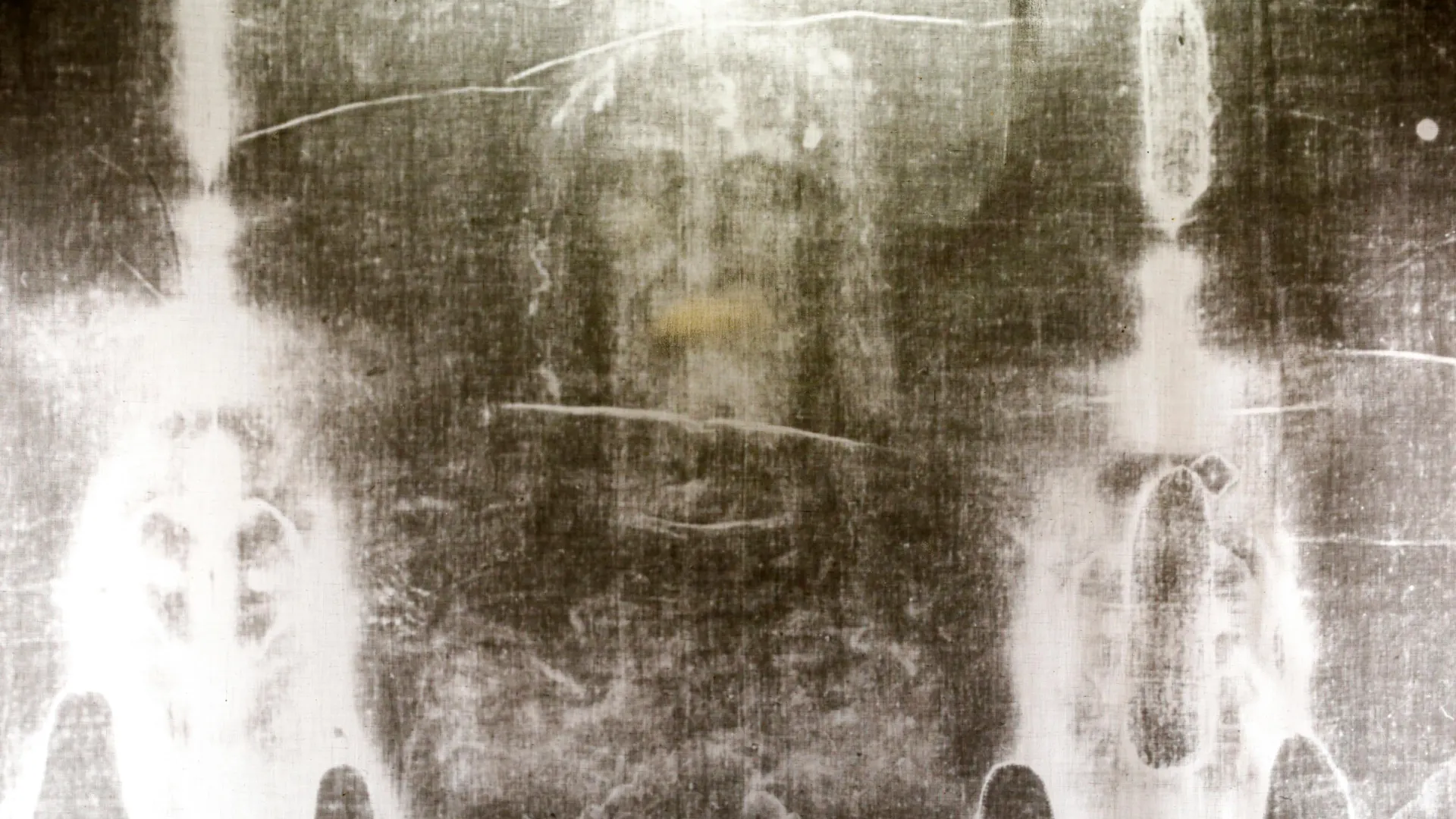
Scientists used advanced DNA sequencing to analyze samples collected from the Shroud of Turin in 1978, revealing genetic material from humans, bacteria, fungi, plants, animals, and Mediterranean red coral. The study, published in Scientific Reports, employed rigorous PCR-free next-generation metagenomic sequencing. This technique can detect DNA from many species within a single sample, making it useful for studying historical objects exposed to changing environments over centuries.
The analysis identified multiple lineages of human mitochondrial DNA, suggesting genetic material from different human populations accumulated on the cloth. Researchers also found a diverse microbiome including bacteria common on human skin, various fungi, and archaea adapted to salty environments. Plant DNA included wheat, carrots, maize, bananas, and peanuts. Animal DNA came from cattle, pigs, chickens, dogs, and cats.
The researchers emphasized that their findings cannot establish the Shroud's age or authenticity. Because the cloth has been handled and exposed to different environments for centuries, its DNA represents a mixture of biological material accumulated at different times. This makes it impossible to separate any original DNA from genetic traces deposited afterward.
Professor Noemi Procopio of the University of Lancashire, who contributed to the research, stated: "The Shroud represents a rich archive of genetic information that has accumulated over centuries of human interaction and environmental exposure. While the DNA evidence cannot answer all the questions about the age or authenticity of the cloth, it provides novel insights into its biological history and demonstrates how advances in forensic science can unlock new information from historical artifacts."