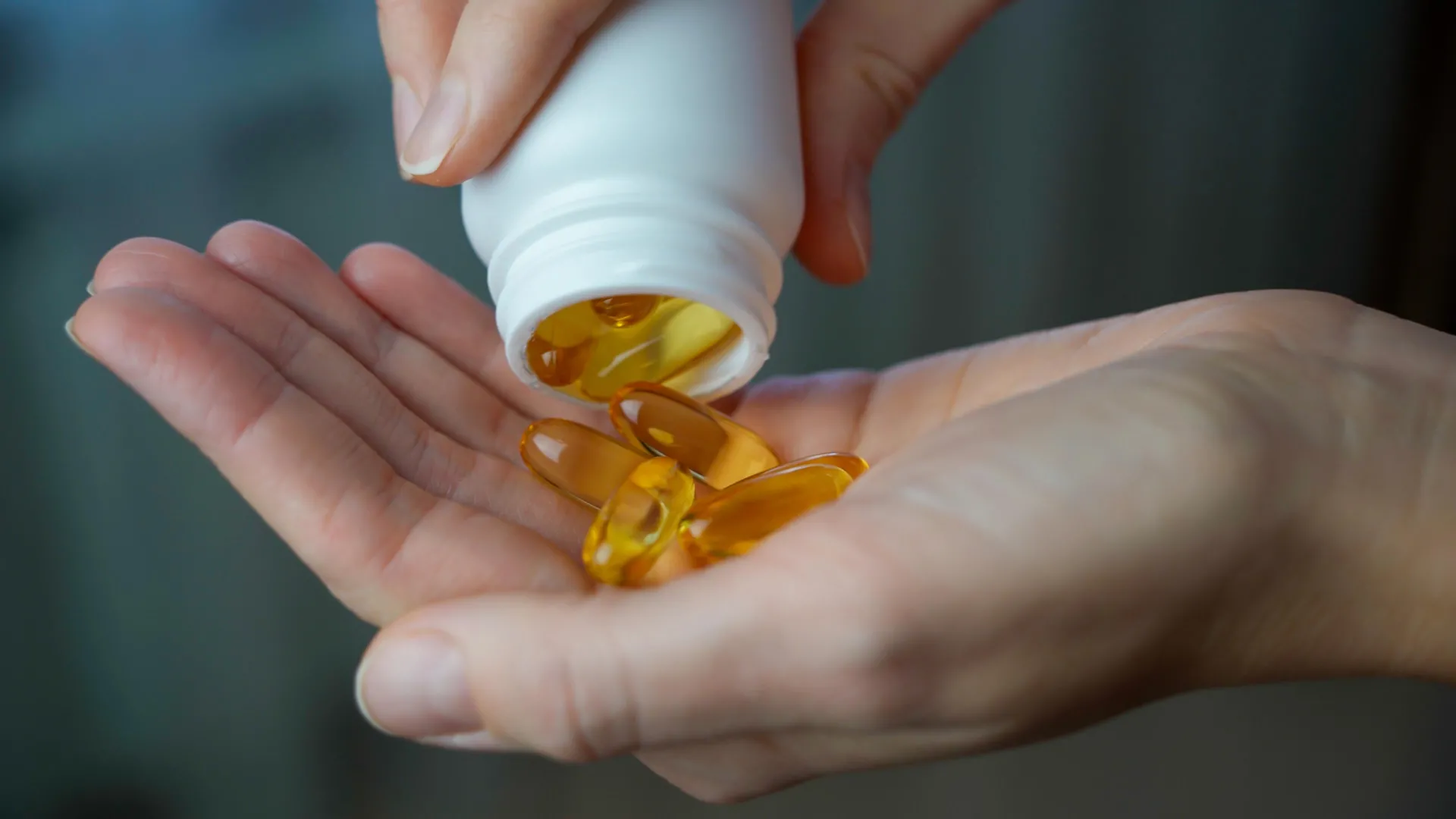
Pantethine, a nutritional supplement derived from vitamin B5, may help treat psoriasis by calming overactive immune cells, according to research published October 27 in the Journal of Experimental Medicine.
Wei-Na Zhang and colleagues at the State Key Laboratory of Biomedical Analysis in Beijing, along with Cheng-Xin Li from The First Medical Center of Chinese PLA General Hospital in Beijing, discovered that dendritic cells in people with psoriasis have unusually high levels of enzymes called Vanins. These enzymes convert pantethine into vitamin B5 and contribute to excessive immune activation.
When researchers reduced Vanin levels in laboratory experiments, dendritic cells became less active. In mice, a drug that inhibited Vanins prevented psoriasis from developing.
The mechanism involves cholesterol metabolism. High Vanin activity reduces pantethine levels inside dendritic cells, causing cholesterol production to increase and immune cells to become hyperactive. Pantethine supplementation reversed this process by restoring pantethine levels and reducing cholesterol accumulation within the cells.
In a small human trial with 24 psoriasis patients, half received pantethine tablets alongside standard topical treatment while the other half received only the standard treatment. After 12 weeks, patients taking pantethine showed greater symptom improvement, particularly those with high blood cholesterol levels.
Zhang cautioned that the trial was small and larger studies are necessary to confirm effectiveness. "These findings should be interpreted as proof-of-concept for clinical feasibility rather than direct mechanistic validation," Zhang said. The human results do not establish whether the same biological mechanism observed in laboratory experiments explains the improvement in patients.