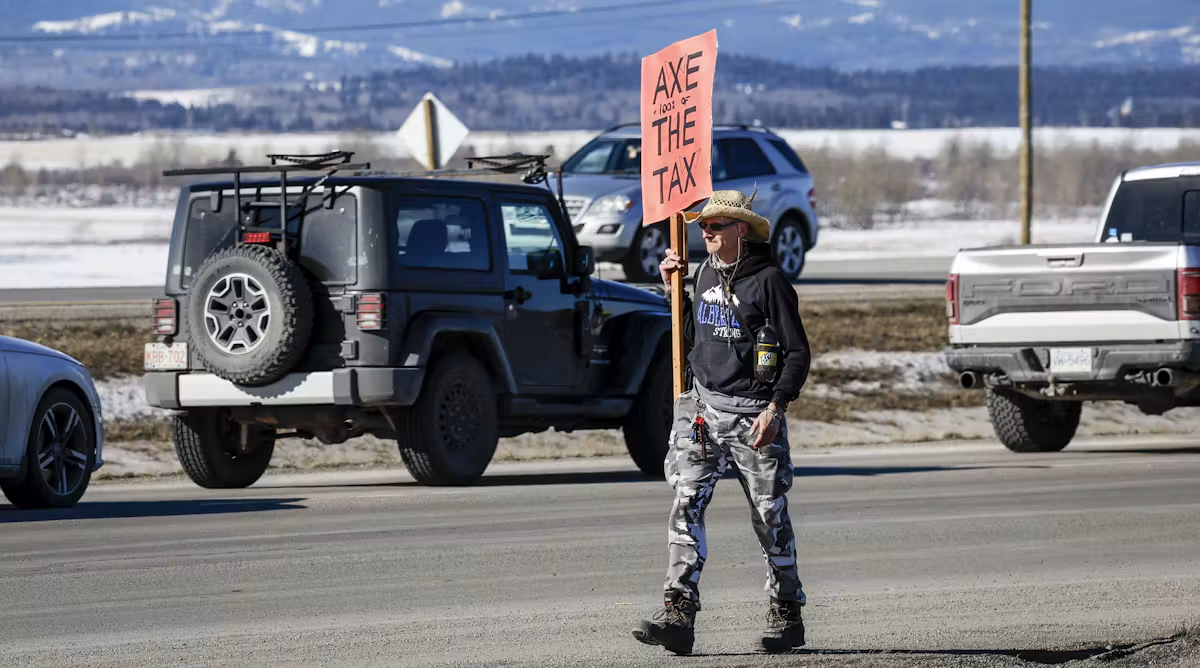
Canada's consumer carbon tax, repealed in 2025, fell victim to widespread misperception about its actual costs, according to research published in Climatic Change journal by researchers from the University of British Columbia, University of California Santa Barbara, and Université de Montréal.
In a 2022 survey of 1,000 Canadians across five provinces, researchers led by Kathryn Harrison asked respondents about their fuel consumption and carbon-tax costs. They compared perceived costs to actual household consumption. Conservative voters estimated the carbon tax was costing them nearly $5,000 per year more than Liberal voters with identical fuel consumption and therefore identical actual carbon-tax costs.
The gap persisted even when respondents received accurate information. Researchers provided mockups of household carbon-tax rebate forms. After seeing their actual rebates, which were higher than expected, Conservative voters became more likely to report they were paying more in carbon taxes than receiving back in rebates. Accurate information backfired in the hyper-partisan debate.
Chloé Boutron, a member of the research team, found that Canadians knew gasoline prices accurately in their communities. The confusion centered on how much of that price stemmed from the carbon tax itself.
Political affiliation predicted beliefs about costs and benefits more strongly than actual fuel consumption did. Conservative politicians offered selective statements ignoring rebates or emphasizing the carbon tax during periods of rising consumer costs, despite its minuscule contribution to inflation. Misleading messages spread via memes on social media within right-leaning networks. The researchers note a growing partisan divide and decline of shared news sources facilitated the impact.