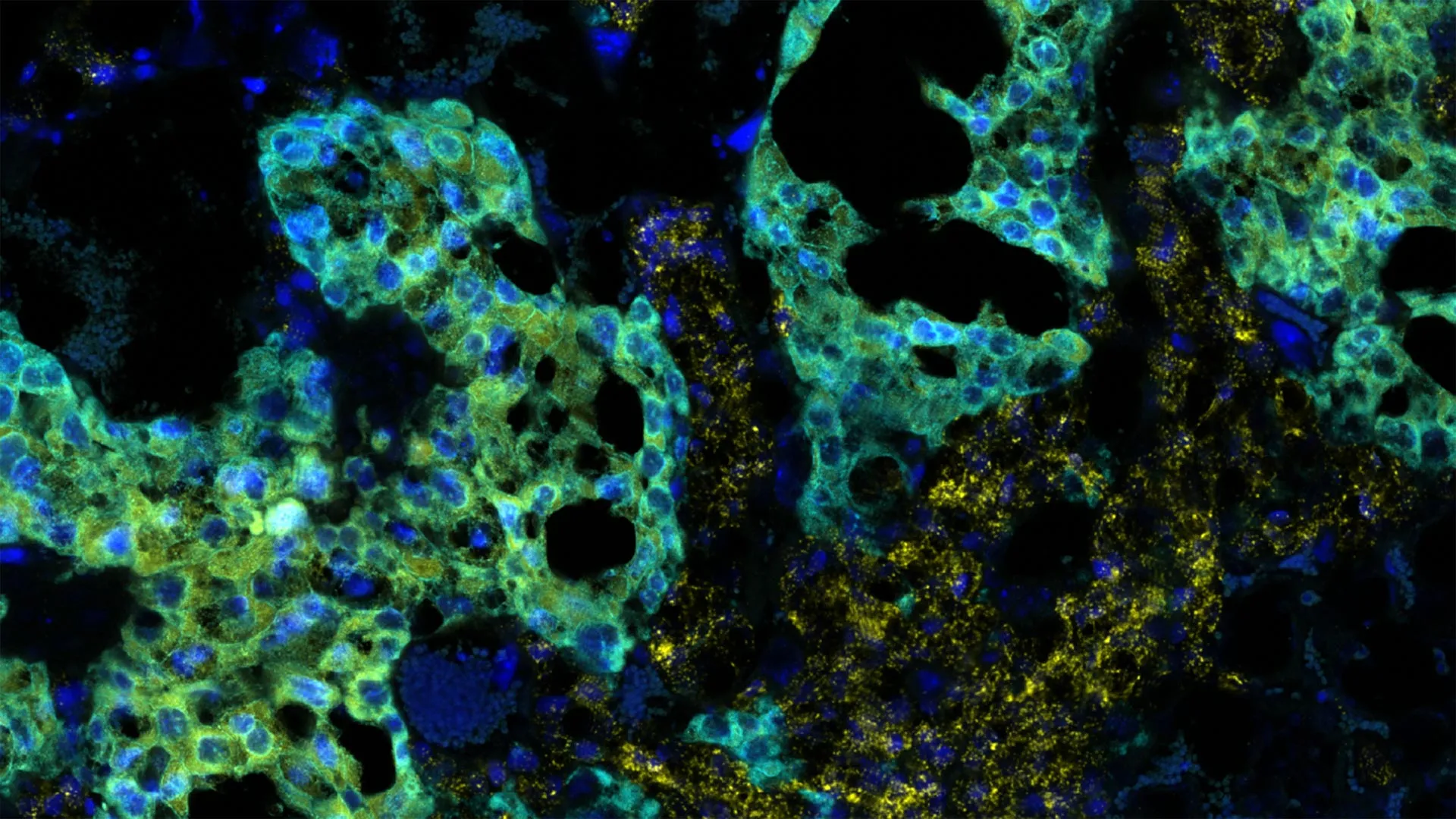
Researchers at Cold Spring Harbor Laboratory discovered a link between inflammation during pregnancy, placental changes, and autism-like traits in male mice. Lucas Cheadle, an associate professor at CSHL, and his team triggered immune responses in pregnant mice at different pregnancy stages using a substance that mimics a viral infection without introducing one.
The researchers found that mouse fetuses were especially vulnerable at 12.5 days into pregnancy. Approximately one-third of fetuses showed developmental abnormalities within 24 hours of maternal immune activation at this stage. Irene Sanchez Martin, a postdoctoral researcher in Cheadle's laboratory, contributed to the findings.
A striking pattern emerged across all experiments: autism-like traits appeared only in male fetuses, while female fetuses developed normally. This sex-based difference occurred before hormonal surges and sexual differentiation in the brain, which Cheadle described as surprising given the developmental stage.
The team examined the placenta to understand why some fetuses were affected and others protected. They focused on specialized cells called spongiotrophoblasts, which occupy a region where maternal and fetal cells interact. In male fetuses showing developmental abnormalities, these cells showed visible damage. In fetuses that developed normally, this placental region remained healthy.
Spongiotrophoblasts help the mother's immune system tolerate the developing fetus, which carries genetic material from both parents. Maternal immune activation could interfere with this protective function, potentially allowing the mother's immune response to affect the fetus harmfully.
Cheadle noted that male embryos may produce distinctive proteins triggering an unfavorable maternal immune response following viral infection, or female embryos may possess protection that helps them withstand inflammation. He stated, "A protective mechanism may exist within the female that could be harnessed to help the male."
The findings come from mouse experiments and do not establish that the same mechanisms cause autism in humans. Cheadle's team plans to investigate male and female mice further to uncover the mechanisms responsible for their contrasting responses.