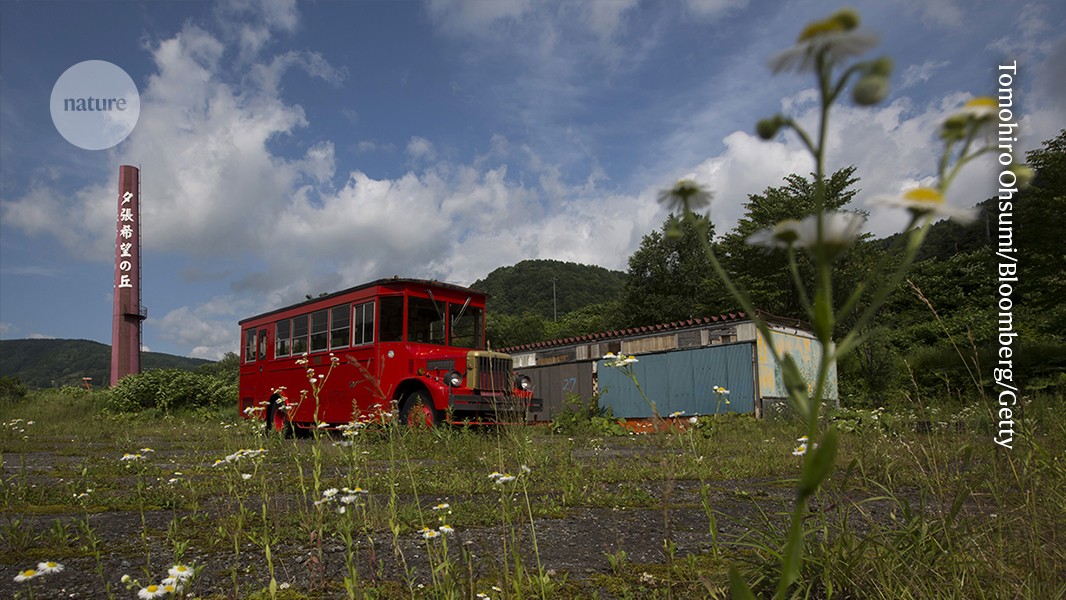
When people abandon villages in Japan, biodiversity declines rather than recovers, according to studies cited in a Nature article. This finding challenges the assumption that removing humans allows ecosystems to flourish.
Landscapes once viewed as pristine wilderness by European colonists were actually managed by Indigenous people. North America's wildflower-studded oak savannahs and Australia's fire-maintained ecosystems developed through human activity. Traditional agricultural practices used for millennia worldwide created ecological niches that support insects, amphibians, birds, and plants. Many of these species evolved alongside humans.
The research indicates that many ecosystems depend on human management to maintain biodiversity. When people leave these managed landscapes, the delicate ecological relationships they sustain can unravel.