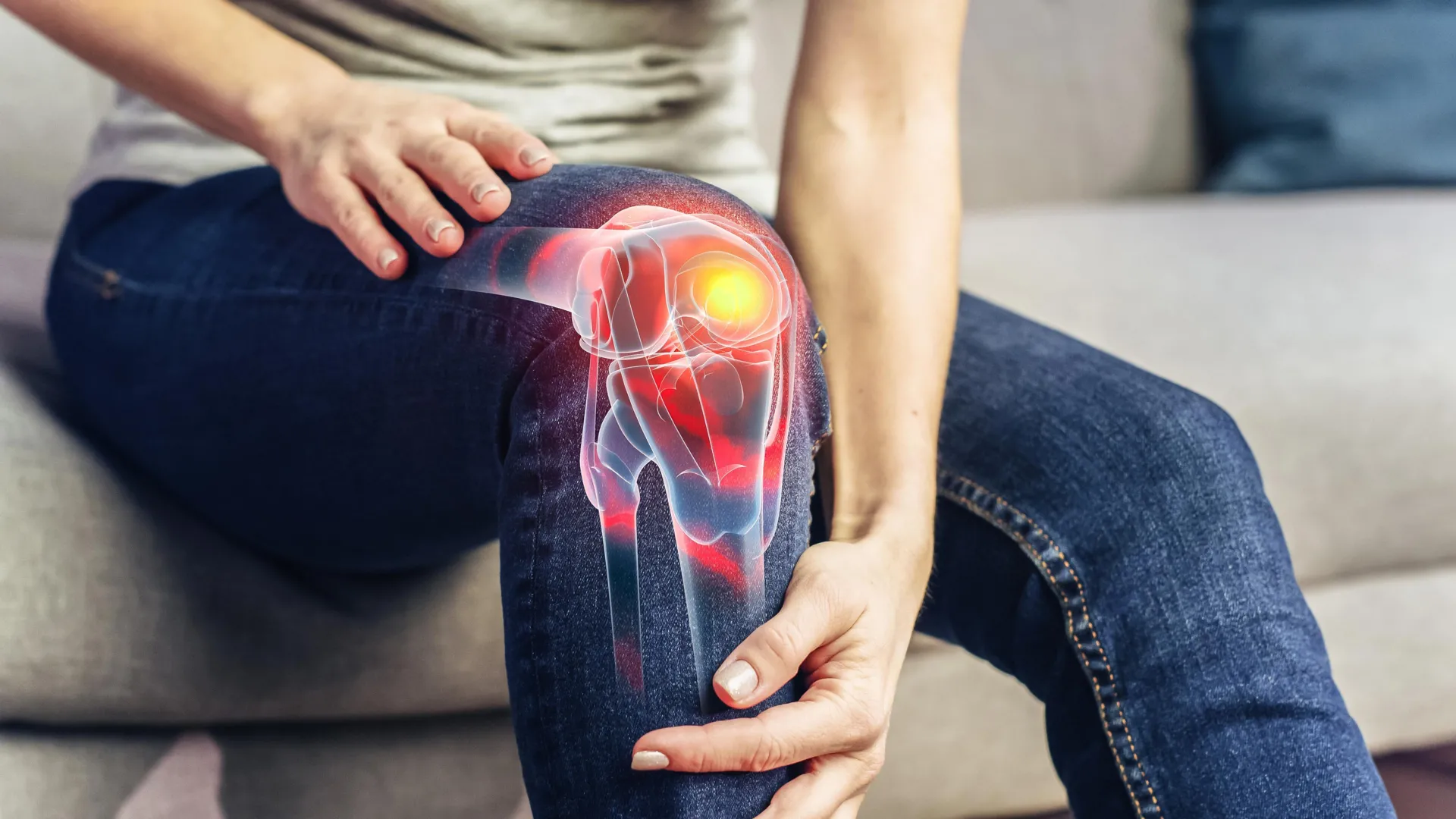
Researchers at the University of Nottingham tested inulin, a prebiotic fiber, in a six-week trial involving 117 adults with knee osteoarthritis. The results, published in Nutrients, showed that participants taking daily inulin experienced reduced knee pain, improved grip strength, and decreased pain sensitivity compared to those on placebo. Inulin also performed better than a digital physical therapy program on one key metric: only 3.6% of inulin participants dropped out, versus 21% of those assigned to exercise alone.
The supplement works by reaching the large intestine, where beneficial bacteria ferment it to produce short-chain fatty acids, particularly butyrate. This process may influence inflammation and pain pathways. Researchers also found that inulin increased levels of glucagon-like peptide-1 (GLP-1), a gut hormone linked to pain regulation and muscle health. Higher GLP-1 levels correlated with better grip strength, though the report notes this does not prove causation.
Both inulin and physical therapy independently reduced knee pain. However, inulin alone produced additional benefits not seen with physical therapy alone, including improved grip strength and reduced pain sensitivity. Dr. Afroditi Kouraki, lead author, stated: "Our findings suggest that targeting gut health with a prebiotic supplement is a safe, well-tolerated, and effective way to reduce pain in people with knee osteoarthritis."
Professor Ana Valdes noted: "The link we observed between GLP-1 and grip strength is particularly intriguing and points to a broader gut-muscle-pain axis that warrants further investigation."
The researchers acknowledged limitations. The trial was small and lasted only six weeks. Larger, longer studies are needed to determine whether benefits persist, identify which patients respond best, and clarify the biological mechanisms. The findings do not suggest supplements should replace exercise or other established arthritis treatments.