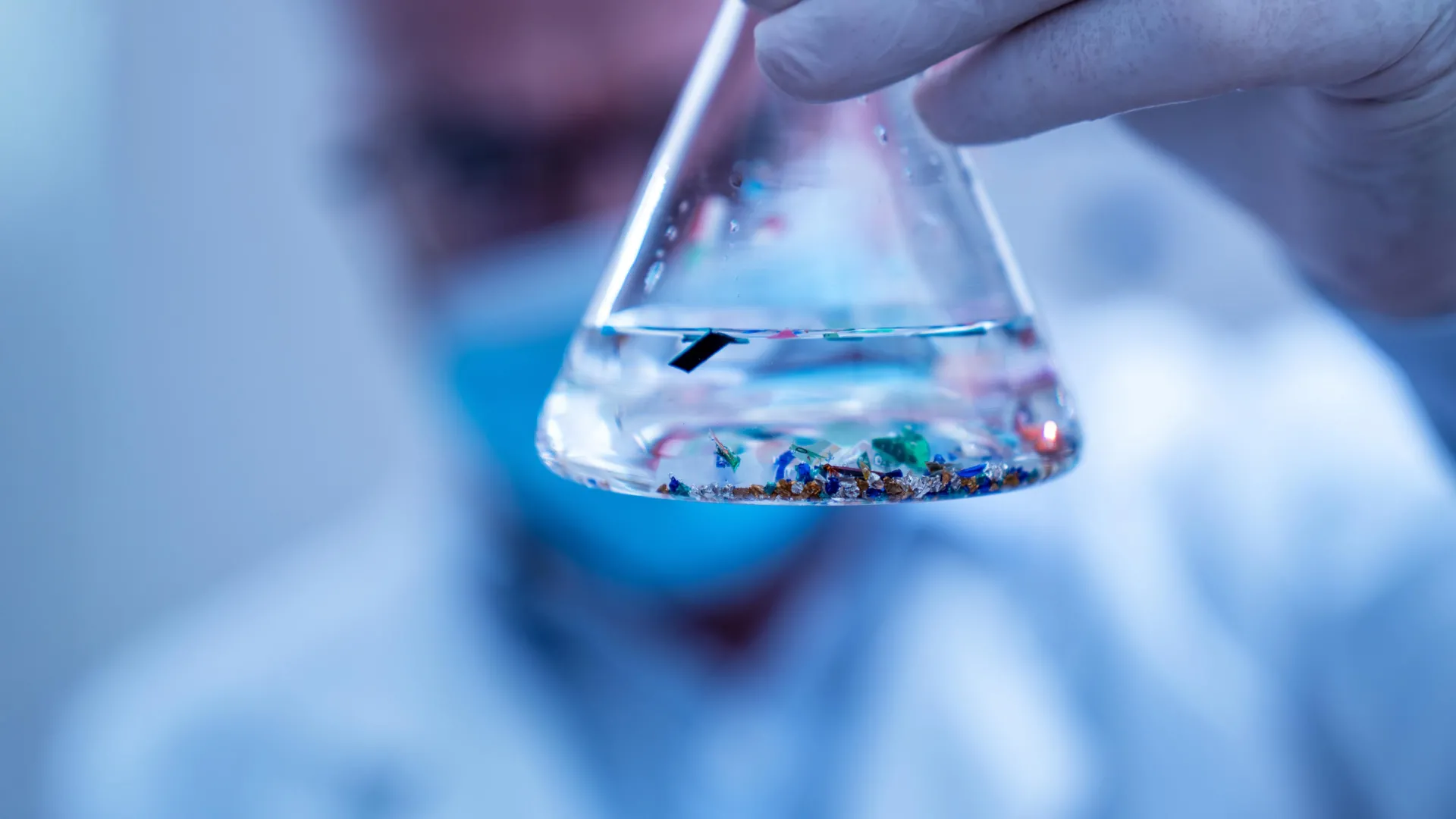
# Scientists Convert Plastic Waste Into Gasoline and Diesel Using Molten Salt Process
Researchers at Oak Ridge National Laboratory have developed a method to convert polyethylene, one of the most common plastics in consumer goods, directly into usable motor fuels. The breakthrough uses molten aluminum-based salts to chemically break apart long plastic polymer chains into shorter hydrocarbon molecules that closely resemble gasoline and diesel fuel.
Polyethylene accounts for roughly 30% of all plastic waste globally. Shopping bags, plastic wrap, cutting boards, and countless other household items contain this durable polymer. Because polyethylene resists natural degradation for centuries, it accumulates in landfills and oceans. Chemical recycling offers an alternative to simply burying or burning this waste.
The Oak Ridge team's approach works at relatively mild temperatures and pressures, which reduces energy demands compared to other plastic conversion methods. The process yields approximately 60% gasoline-range hydrocarbons from the starting polyethylene feedstock. This conversion rate represents a substantial improvement over competing technologies, which typically produce lower yields or require harsher operating conditions.
The catalyst system relies on inexpensive aluminum-based molten salts. Molten salt catalysts have gained attention in recent years because they remain stable at elevated temperatures while maintaining reactivity. The aluminum-based formulation used here offers cost advantages over catalysts containing rare metals or precious elements. This matters for scaling the technology. Industrial adoption depends partly on whether raw material costs remain reasonable.
The depolymerization process essentially reverses how polyethylene is manufactured. Refineries create polyethylene by linking ethylene molecules together in long chains through polymerization. The Oak Ridge method breaks these bonds in a controlled fashion, yielding smaller molecules suitable for fuel blending or further refining.
One limitation of the current research involves product selectivity. While the process achieves 60% gasoline-range output, the remaining material includes other hydrocarbons and byproducts. Researchers will need to optimize reaction conditions to increase the proportion of desired fuel products while minimizing waste streams.
The work addresses a growing environmental crisis. Global plastic production exceeded 400 million metric tons in 2021, with the vast majority destined for landfills after a single use. Chemical recycling sits somewhere between traditional mechanical recycling, which degrades polymer quality with each cycle, and incineration, which releases greenhouse gases.
Converting plastic into fuels creates an economic incentive for collection and processing. Rather than viewing plastic waste as a disposal problem, industries could treat it as a fuel feedstock. This approach has proven successful in other waste-to-energy contexts, though plastic-to-fuel pathways remain less developed than biomass or municipal waste routes.
The researchers plan to publish detailed findings in a peer-reviewed journal, which will allow other scientists to assess the technology's scalability and economic viability. Commercial implementation likely requires years of additional development, including optimization of catalyst performance, reactor design improvements, and pilot plant demonstrations.
Oak Ridge's facility includes specialized equipment for testing catalytic processes at scale. The team intends to conduct further experiments examining different operating temperatures, pressures, and reaction times to maximize fuel yields and product quality.