# Solar Desalination Breakthrough Eliminates Brine Waste Problem
Researchers have engineered a solar-powered desalination system that converts seawater into fresh water while capturing salt as a solid byproduct instead of creating the environmentally damaging brine that plagues traditional methods.
The technology addresses one of desalination's most persistent problems. Conventional reverse osmosis plants produce roughly 1.5 kilograms of brine for every kilogram of freshwater generated. This hypersaline waste damages coastal ecosystems when discharged back into the ocean, altering salinity levels and harming marine life. The new system sidesteps this issue entirely by crystallizing salt as a solid mineral that can be handled or even commercialized.
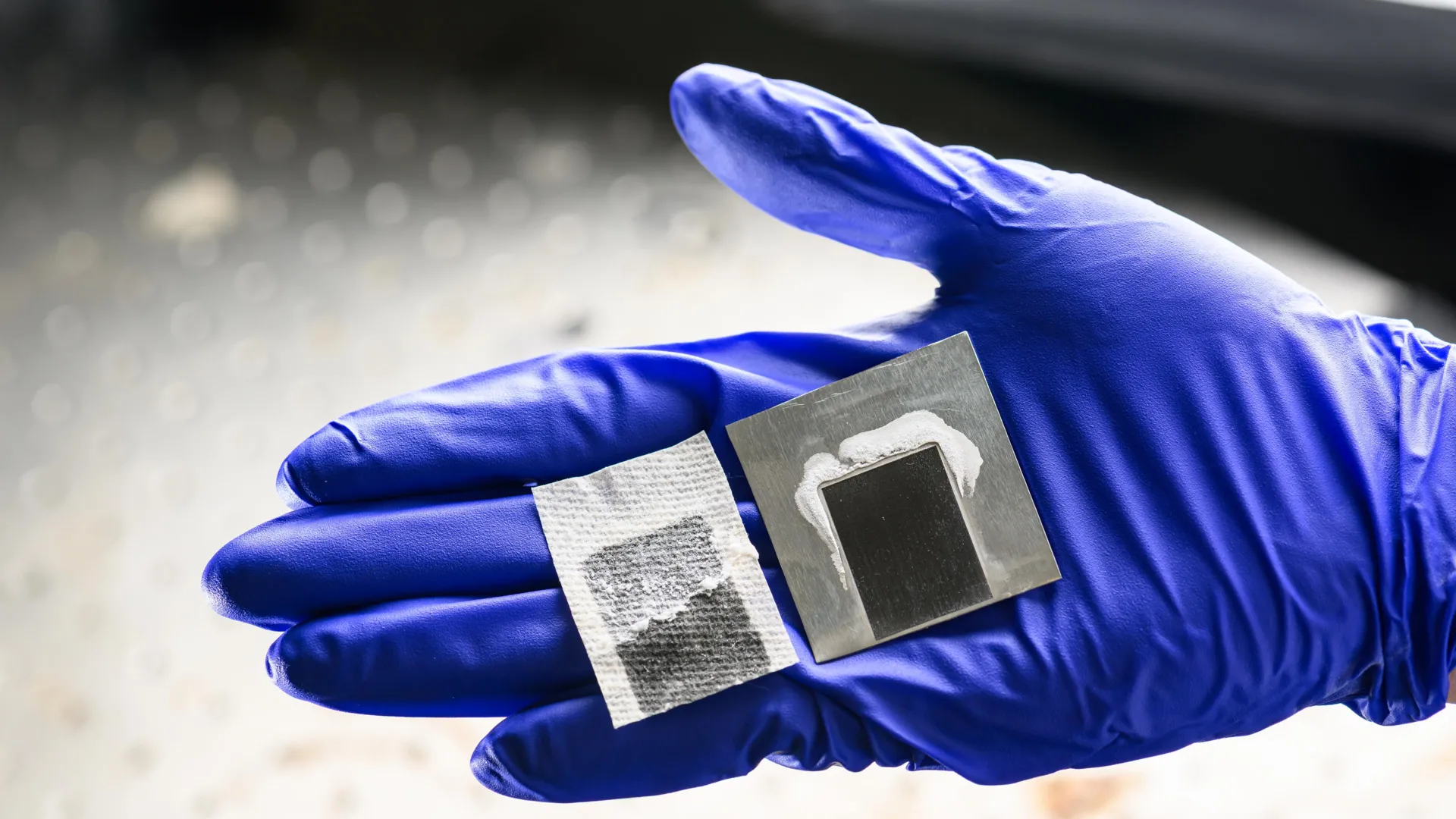
The team built a multi-stage system powered entirely by solar energy. Seawater passes through a series of chambers where solar heat drives evaporation and crystallization. Rather than relying on electrical pumps and pressure like reverse osmosis, the process harnesses thermal energy from the sun to naturally separate water from dissolved salts.
The self-cleaning design represents an engineering advantage over other experimental desalination approaches. Many solar desalination prototypes suffer from salt scaling, where mineral buildup clogs the system and reduces efficiency over time. This design prevents that fouling through its crystallization mechanism, meaning the technology requires less maintenance and operates longer without performance degradation.
Beyond freshwater production, the system recovers valuable minerals during operation. Lithium, which powers electric vehicle batteries and energy storage systems, concentrates during the desalination process. Rather than viewing mineral-rich brine as waste, this approach extracts and recovers those compounds. The recovered lithium could offset operational costs and reduce reliance on mining operations, creating a secondary revenue stream for desalination facilities.
The researchers tested the prototype in laboratory conditions, demonstrating high freshwater yield and salt removal rates approaching near-complete elimination of dissolved salts in the water product. The solid salt residue created minimal disposal challenges compared to managing liquid brine.
Desalination remains critical for water security. More than two billion people face high water stress, and coastal regions increasingly turn to desalination to supplement dwindling freshwater supplies. Yet the environmental and economic costs of current technologies limit their deployment. Traditional plants consume substantial electricity, and brine discharge costs remain significant for operators.
This solar-powered approach addresses both problems simultaneously. By eliminating brine production and operating on renewable energy, the system reduces both environmental impact and operating expenses. The mineral recovery potential adds economic value that traditional desalination facilities cannot achieve.
The research team has not yet disclosed plans for scaling to industrial capacity, and questions remain about performance in varied climates and with different water compositions. However, the successful elimination of brine waste while capturing valuable minerals represents a meaningful advance toward sustainable large-scale desalination. If deployed widely, the technology could transform how coastal communities access freshwater while reducing their environmental footprint and potentially generating revenue from recovered minerals.