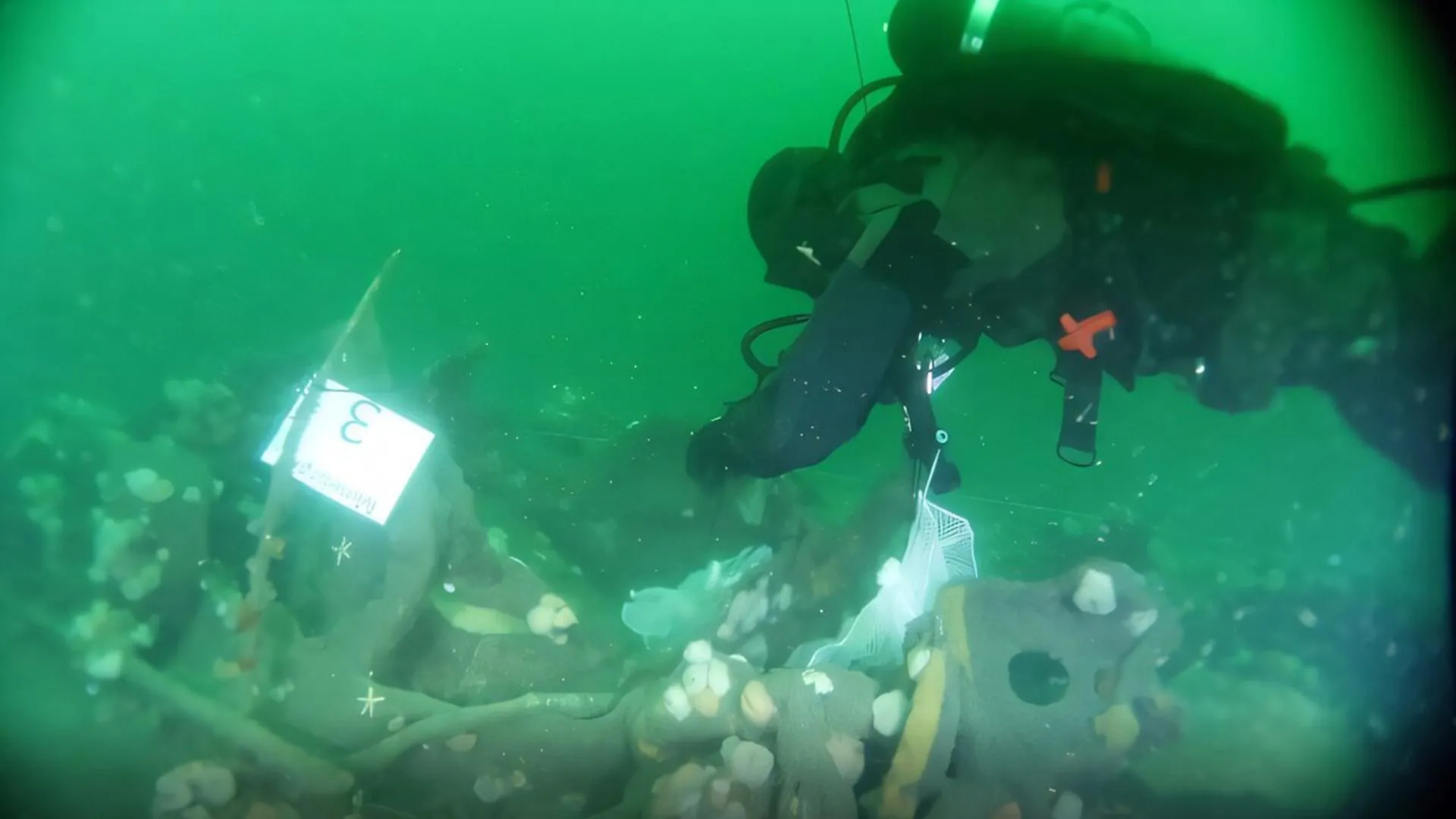
# German WWI Submarine Wreck Leaks TNT, Raising Alarms About Thousands of Similar Wrecks
A German U-boat that sank off the Danish coast in 1917 continues to contaminate the marine environment with TNT, more than 106 years after its destruction. The vessel leaks explosive residue into seawater, sediments, and organisms inhabiting the area, according to environmental researchers studying deep-water shipwrecks.
The submarine represents one of approximately 3,000 military vessels that rest on the floor of the North Sea and surrounding waters. Many contain munitions, fuel, and other hazardous materials. As these wrecks age and their metal hulls corrode, scientists warn that contamination will accelerate unless intervention occurs.
Researchers detected TNT compounds in water samples collected near the wreck and in sediment cores from the seabed. Living organisms around the site accumulated the explosive residue in their tissues, demonstrating that the contamination enters food webs. This bioaccumulation poses unknown risks to marine ecosystems already stressed by overfishing, warming waters, and pollution from land-based sources.
The corrosion process accelerates due to saltwater chemistry, microbial activity, and mechanical damage from fishing equipment and natural currents. Metal degradation weakens hull integrity, allowing cargo and fuel to escape into the environment. Researchers estimate that thousands of comparable wrecks will experience similar deterioration within the coming decades.
TNT itself causes toxicity in aquatic organisms at elevated concentrations. The breakdown products of TNT can transform into secondary compounds with distinct biological effects. Scientists remain uncertain about long-term exposure impacts on fish populations, crustaceans, and other marine species that form the foundation of commercial fisheries.
The Danish wreck sits in relatively shallow water accessible to research vessels. Other problematic wrecks occupy deeper regions where direct inspection and remediation become technically difficult and expensive. Some wrecks lie within territorial waters of multiple nations, complicating international coordination on cleanup efforts.
Historical records identify specific vessels and their cargo manifests, but locating wrecks and accessing them requires specialized equipment and expertise. Autonomous underwater vehicles and submersibles can survey sites, but removing munitions or containing leaks demands considerably more resources. No comprehensive inventory of all military shipwrecks in European waters exists.
Scientists recommend establishing monitoring programs for the most hazardous wrecks and developing standardized assessment protocols. Governments have begun cataloging known wreck locations, but many vessels sank without precise documentation of final positions. Fishermen occasionally discover wrecks through net entanglement or accidental explosions when trawling equipment encounters munitions.
The German submarine case demonstrates that deep-sea wreck disposal remains unfinished business from two world wars. Environmental contamination from 100-year-old military vessels represents an emerging challenge for marine conservation. As climate change alters ocean chemistry and circulation patterns, the fate of these submerged time bombs becomes increasingly urgent for researchers and policymakers seeking to protect marine resources.