# Ancient Australian Cave Reveals 25,000 Years of Ritual Fire Ceremonies
Researchers analyzing microscopic plant remains from Cloggs Cave in southeastern Australia have uncovered evidence of continuous ritual burning practices spanning approximately 25,000 years. The discovery illuminates how GunaiKurnai ancestors used the cave as a sacred site for ceremonial activities across millennia.
Scientists identified intact grass fragments preserved in thin ash layers deposited throughout the cave's archaeological record. The presence of whole grasses, rather than random plant material scattered by natural processes, indicates that people deliberately gathered specific vegetation and transported it into the cave's dark interior to burn. This intentional behavior distinguishes ritual activity from everyday use or natural accumulation.
The microscopic botanical analysis provided the key breakthrough. Researchers examined phytoliths (silica structures that persist after plants decay) and other plant microfossils to reconstruct the composition and origins of burned materials. The consistency of this practice across thousands of years of occupation suggests that burning grasses formed a central element of the site's spiritual function.
Physical remains corroborate the ritual interpretation. A standing stone erected approximately 2,000 years ago stands within the cave, accompanied by other objects associated with ceremonial use. These artifacts frame the site not as a shelter for daily activities but as a dedicated location for spiritual practice and perhaps community gathering.
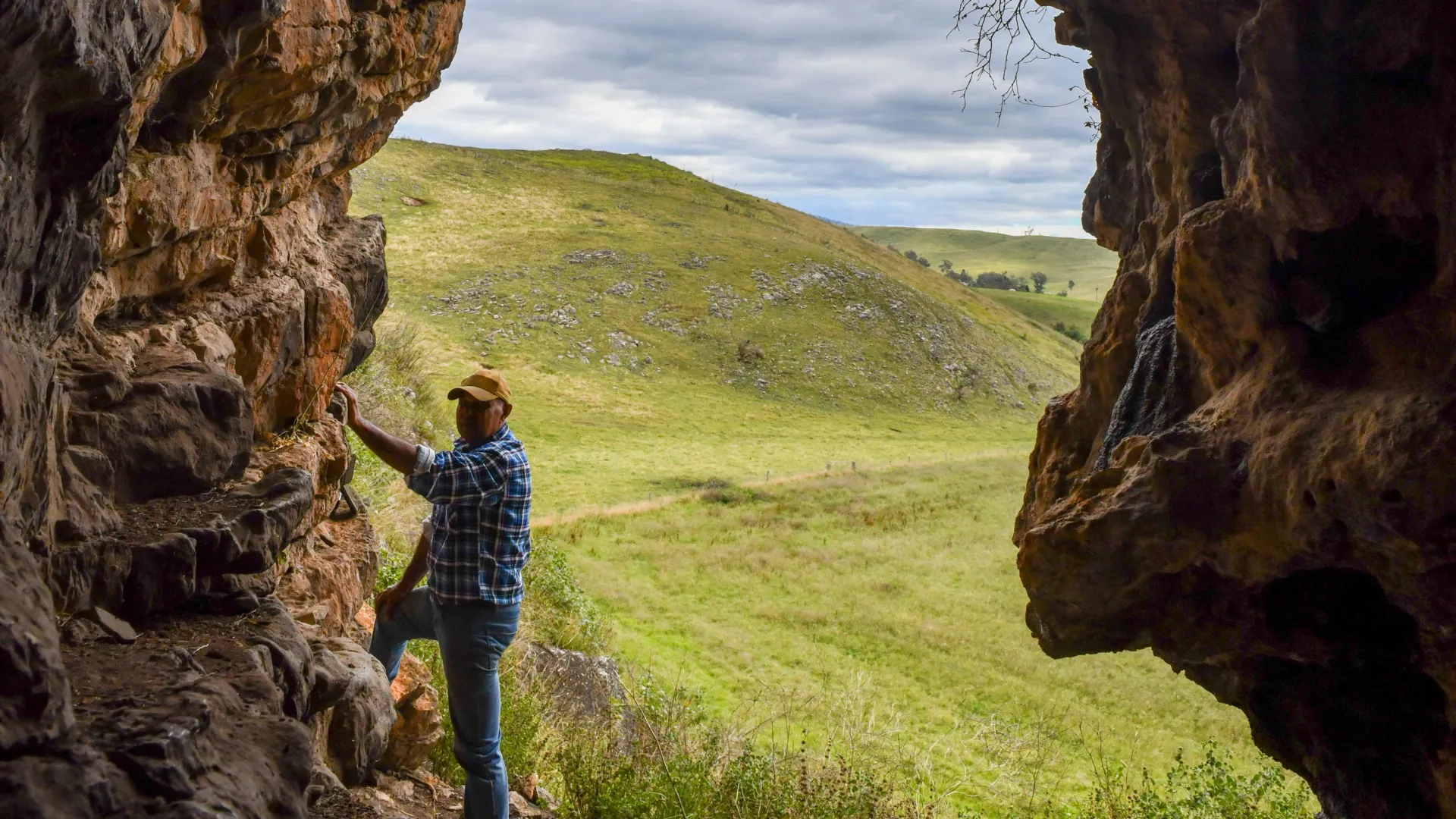
Cloggs Cave sits in Victoria's Gippsland region, traditional Country of the GunaiKurnai people. The research team's focus on microscale botanical evidence represents a methodological advance in understanding Indigenous archaeological sites. Rather than relying solely on visible artifacts, researchers reconstructed ancient practices through materials that normally escape notice.
The 25,000-year timespan places these rituals among Australia's oldest documented ceremonial practices. This duration suggests remarkable cultural continuity within Indigenous Australian societies, contradicting earlier anthropological assumptions that Aboriginal cultures remained static or unchanging. Instead, the evidence reveals sophisticated spiritual life sustained across 250 centuries through oral transmission, social memory, and repeated ceremonial performance.
The intentional burning of grasses may have served multiple functions. Smoke could have marked seasonal transitions, facilitated trance states, symbolized spiritual transformation, or marked passage through the cave's dark spaces. Without written records or surviving oral histories specifically about Cloggs Cave's practices, researchers cannot determine precise meanings. The ritual's persistence across millennia, however, testifies to its enduring cultural importance.
This work emerges from growing recognition that Australian archaeological sites contain records far older and more complex than previously appreciated. The cave's continuous use for ritual purposes demonstrates that Indigenous Australians maintained ceremonial centers and sacred geographies across vast timescales, comparable to pilgrimage sites and ceremonial centers documented in other cultures worldwide.
The GunaiKurnai people's ongoing connection to their ancestral lands gives contemporary context to these findings. Understanding Cloggs Cave's role in their spiritual heritage contributes to recognition of Indigenous knowledge systems, land management practices, and cultural continuity despite colonization's disruptions.
Future research may apply dating techniques to the ash layers or analyze the specific grass species used, potentially revealing seasonal patterns or environmental changes reflected in ritual choices. The methodology developed at Cloggs Cave could apply to other Australian cave sites containing similar botanical remains.