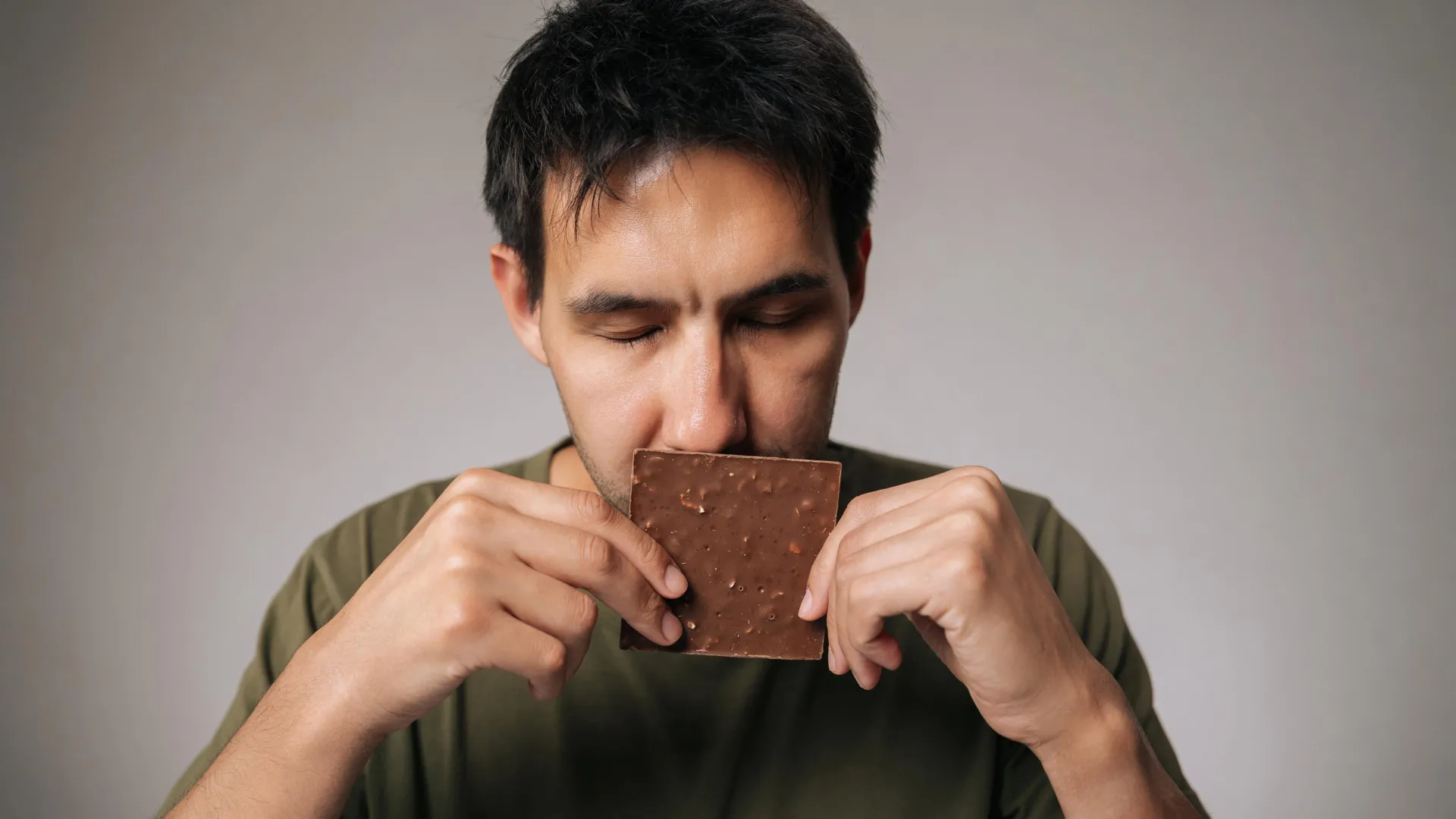
# Chocolate Aroma Boosts Workout Performance in Men, Study Shows
Researchers found that inhaling the scent of chocolate enhanced exercise performance in men, allowing them to complete more repetitions during leg extensions without perceiving increased fatigue. Dark chocolate aroma delivered the most pronounced benefit.
The study examined how olfactory cues interact with physical exertion and perceived effort. Participants who smelled chocolate during leg extension exercises performed additional repetitions compared to control groups, suggesting that sensory input can modulate both muscular output and the subjective experience of tiredness.
Scientists propose that familiar food aromas trigger neurological pathways linked to appetite and motivation. When the brain detects the scent of food, it activates anticipatory mechanisms typically associated with eating. These neural systems may enhance arousal and focus during physical activity, translating into improved performance without a corresponding increase in perceived strain.
Dark chocolate proved most effective, likely because its complex aroma contains compounds that produce stronger psychological and physiological responses than milk chocolate or other tested scents. The richness and intensity of dark chocolate's volatile compounds may create a more potent motivational signal in the brain.
This research builds on growing evidence that multisensory experiences influence athletic performance beyond pure muscle physiology. Previous studies demonstrated that music, colors, and even visual cues affect exercise output. The chocolate study adds olfaction to this list of modifiable factors, with practical implications for gym settings and personal training.
The mechanism appears distinct from simple distraction. Rather than diverting attention from fatigue, chocolate aroma seems to alter how the nervous system processes effort signals. The brain's anticipation of food consumption may trigger dopamine release and heightened alertness, creating a state more conducive to muscular work.
Researchers caution that effects may vary by individual and context. Factors like prior experience with the scent, baseline fitness level, and individual olfactory sensitivity likely influence outcomes. The study focused exclusively on men, leaving questions about whether women show similar responses or whether gender-based differences in smell perception and motivation create varying effects.
The findings carry practical applications for fitness facilities and home gyms. Diffusing chocolate-scented aromatics during workouts could enhance performance at minimal cost and without ergogenic aids or supplements. Athletes seeking legal performance enhancements might integrate olfactory strategies into training protocols.
Future research should explore dose-response relationships, examining whether stronger or repeated chocolate exposures produce greater effects. Scientists should also test other food aromas and determine if the benefit transfers to other exercise modalities beyond leg extensions. Investigating mechanisms in female participants will clarify whether sex differences in olfaction and motivation affect the magnitude of the chocolate effect.
The study demonstrates that human performance results from integrated sensory and psychological processes, not isolated muscular effort alone. Manipulating perceptual context through smell represents an overlooked avenue for optimizing training outcomes through behavioral and environmental modifications.