# Knee Braces Beat High-Tech Options for Osteoarthritis Pain, Analysis of Nearly 10,000 Patients Shows
Researchers conducting a sweeping analysis of 139 clinical trials found that simple, low-cost interventions outperform expensive medical devices for treating knee osteoarthritis pain. The meta-analysis, which pooled data from nearly 10,000 patients, ranked knee braces as the most effective treatment overall, followed by water-based exercise and conventional exercise regimens.
The study examined a broad spectrum of approaches ranging from mechanical supports to ultrasound therapy and pharmaceutical interventions. Knee braces emerged as the winner across multiple measures: pain reduction, decreased stiffness, and improved mobility. Water-based therapy, including aquatic exercise and pool sessions, delivered particularly strong results for pain management, likely because buoyancy reduces stress on damaged joints while allowing full-range motion. Traditional exercise on land consistently improved both pain levels and physical function in participants.
The findings present a stark contrast to modern healthcare's preference for technology-intensive solutions. Ultrasound therapy and other high-tech modalities ranked poorly in the comparative analysis. This outcome carries economic implications for healthcare systems and patients alike. Knee braces cost far less than advanced imaging or ultrasound sessions, while water-based therapy requires only pool access, making these options accessible to broader populations regardless of income level.
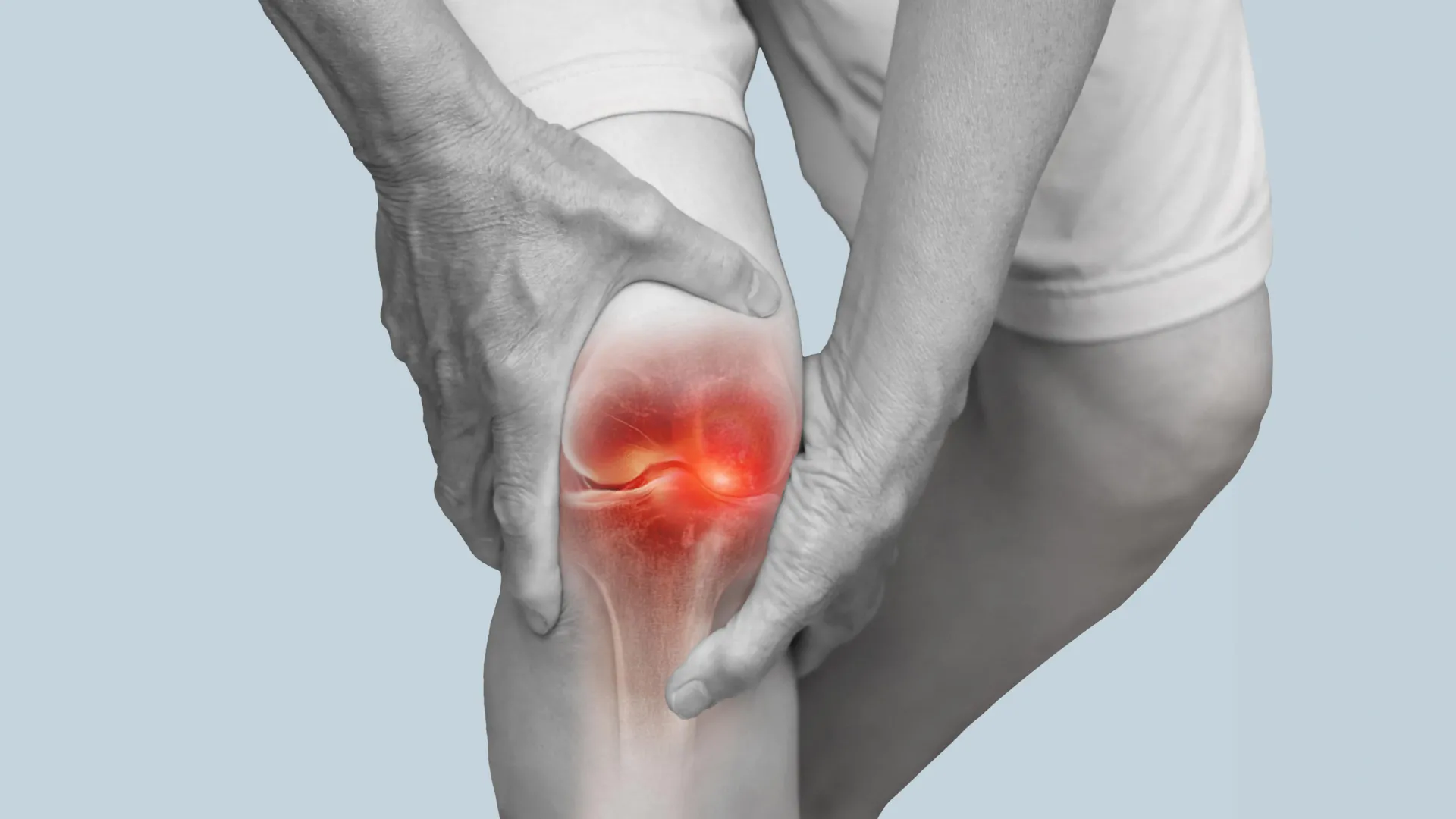
Knee osteoarthritis affects millions globally, causing progressive cartilage breakdown in the knee joint. Current treatment options range from physical therapy to injections to surgery. Patients often feel pressure to pursue newer, more expensive interventions, assuming they deliver better results. This analysis challenges that assumption directly.
The magnitude of the data set strengthens the conclusions. Meta-analyses combining multiple studies provide more robust evidence than individual trials, which may vary in quality, duration, and participant selection. However, researchers note that individual responses to treatment vary considerably. What works best for one person may prove less effective for another, depending on factors like age, weight, disease severity, and activity level.
The mechanism behind brace effectiveness relates to joint stabilization and proprioceptive feedback. Braces limit excessive movement, reduce pain signals during weight-bearing activities, and help maintain proper knee alignment. Water-based exercise works through multiple pathways: buoyancy reduces joint loading by up to 50 percent, water resistance provides gentle strengthening, and the aquatic environment often improves compliance because it feels less strenuous than land-based exercise.
These findings support a conservative, stepped approach to osteoarthritis management. Non-invasive, low-cost options should typically precede expensive procedures or injections. Physical therapists and orthopedic specialists increasingly recognize this principle, though patient expectations and insurance coverage patterns often drive different decisions.
The research also highlights a broader pattern in musculoskeletal medicine. Newer treatments generate enthusiasm and attract research funding, but older, simpler approaches sometimes retain advantages that newer technologies never surpass. Success in osteoarthritis management often depends less on innovation than on patient adherence and consistency over time.
These results should inform clinical practice guidelines and patient conversations about treatment options. Individuals with knee osteoarthritis should discuss bracing, water-based exercise, and regular activity with their healthcare providers before pursuing advanced interventions. For many patients, combining these evidence-backed approaches may prove more effective and affordable than pursuing expensive technological solutions.