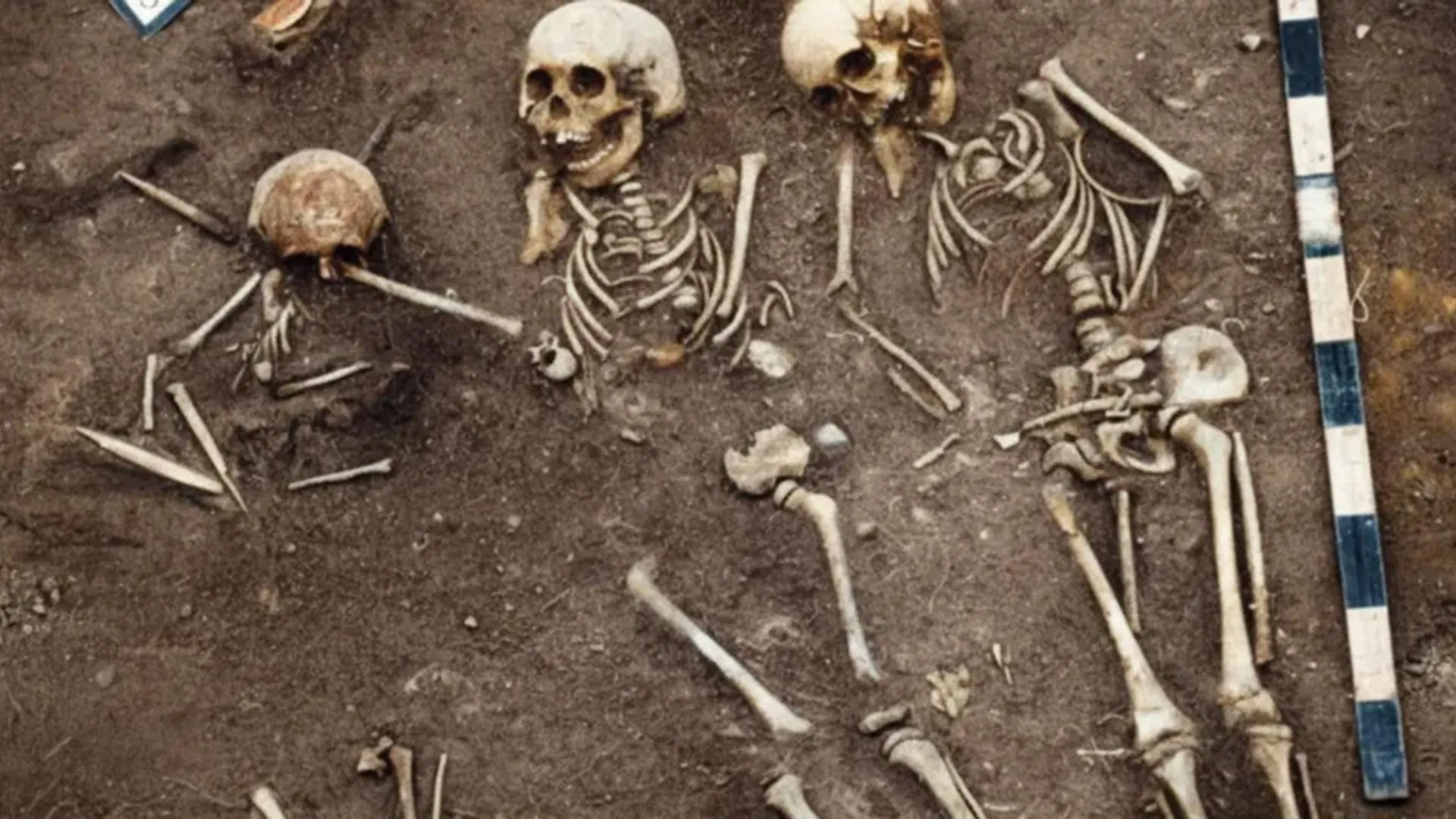
Plague ravaged human populations far earlier than historians believed, according to ancient DNA analysis revealing the disease struck Siberian hunter-gatherers 5,500 years ago. This predates the Black Death by more than four millennia and emerged long before the urban crowding and flea populations that characterize classical plague outbreaks.
Researchers extracted and sequenced DNA from ancient plague bacteria preserved in human remains across multiple Siberian sites, tracing the pathogen's evolution backward through time. The findings appear in peer-reviewed research examining how *Yersinia pestis*, the bacterium responsible for plague, devastated early populations despite their small, dispersed settlements. This challenges the conventional understanding that plague required dense cities and established trade routes to spread catastrophically.
The prehistoric strains carried a genetic factor that researchers believe made infections exceptionally virulent. This factor triggered heightened immune responses in infected individuals, potentially causing the severe systemic reactions that make plague such a lethal disease. Modern plague strains possess similar genetic features, but the ancient variants may have represented an early, particularly dangerous form of the pathogen before natural selection altered its transmission dynamics.
The evidence comes from skeletal remains showing signs of sudden population decline in ancient Siberian communities. Multiple family members died in rapid succession, leaving archaeological signatures of epidemic mortality. Genetic analysis of the bacterial DNA extracted from these remains confirmed the presence of plague and revealed how the ancient strains relate to later pandemic outbreaks.
Ancient plague did not require the flea vectors and rat populations that made the Black Death so devastating in medieval Europe. Instead, the Siberian hunter-gatherers likely contracted the disease from infected animals through butchering or close contact with wildlife. The bacterial strains that killed these early populations represent a different chapter in plague's natural history, one that unfolded when human societies looked nothing like the cities that would later suffer apocalyptic epidemics.
This discovery fundamentally reframes plague as an ancient human threat rather than a disease exclusively tied to civilization and commerce. The pathogen has haunted our species across vastly different ecological and social contexts, from dispersed hunter-gatherer bands to medieval trade hubs. Understanding how plague operated in these ancient populations offers insights into the bacterium's fundamental biology and transmission patterns, knowledge relevant to modern public health preparedness.
The research also underscores how ancient DNA technology has revolutionized epidemiology, allowing scientists to resurrect pathogens from the past and trace their evolutionary trajectories. By sequencing bacterial genomes from thousands of years ago, researchers can identify which genetic elements made historical strains dangerous and how the pathogen's virulence factors have changed. These methods continue yielding surprises about diseases that shaped human prehistory, many of which left little trace in written records but profound marks in the archaeological record.