# Natural Compound in Healthy Foods May Trigger Inflammatory Bowel Disease
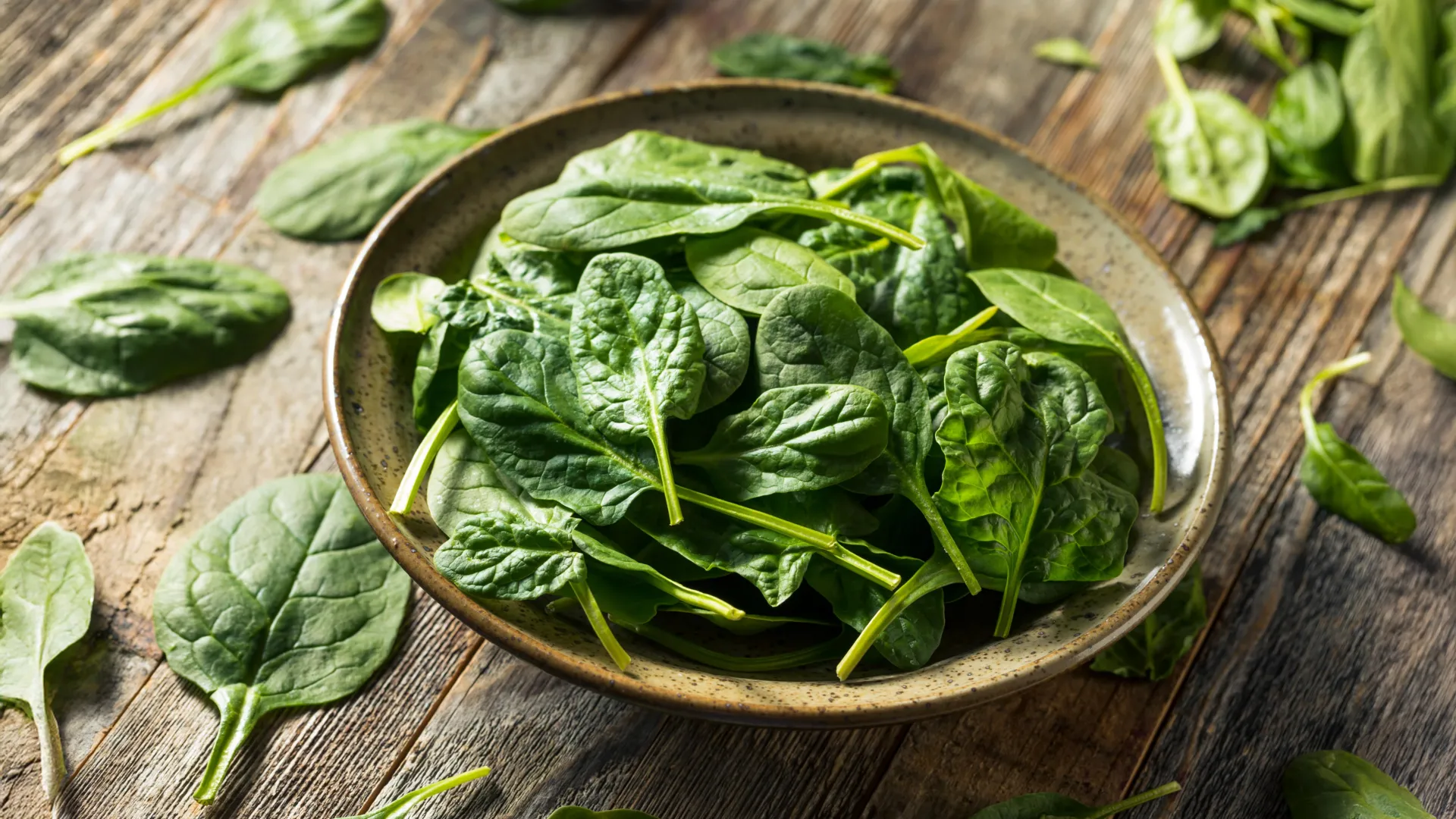
A natural compound present in nutrient-dense foods like spinach, almonds, and sweet potatoes appears to worsen gut inflammation in people with inflammatory bowel disease (IBD). The discovery suggests that individuals with Crohn's disease and ulcerative colitis metabolize oxalate, the compound in question, differently than healthy people do, creating an opportunity for personalized dietary interventions.
Oxalate is an organic acid found abundantly in plant-based foods. For most people, consuming oxalate-rich foods poses no health risk. The compound passes through the digestive system relatively unchanged in healthy individuals. However, researchers have identified a distinct metabolic pathway in IBD patients that transforms oxalate differently, potentially triggering or intensifying intestinal inflammation.
The research builds on growing recognition that gut microbiome composition plays a crucial role in IBD pathology. Specific bacteria in the intestinal tract break down dietary compounds and produce metabolites that either promote or suppress inflammation. In people with Crohn's disease and ulcerative colitis, the microbial ecosystem appears fundamentally altered compared to healthy controls. This dysbiosis, or microbial imbalance, may explain why oxalate triggers adverse reactions in IBD patients but not in the general population.
The implications extend beyond simple dietary avoidance. Rather than broadly recommending IBD patients eliminate spinach and almonds, the findings open pathways for precision nutrition. Clinicians could develop personalized low-oxalate dietary plans based on individual microbiome profiles. Alternatively, targeted microbiome interventions, probiotics, or prebiotic therapies could restore bacterial communities capable of handling oxalate without producing inflammatory metabolites.
Current IBD management relies heavily on immunosuppressive medications, corticosteroids, and biologic drugs targeting specific immune pathways. Adding dietary customization to this arsenal could reduce medication burden and improve quality of life for the estimated 3 million American adults living with IBD. The chronic nature of these conditions demands comprehensive treatment approaches.
Several limitations warrant acknowledgment. The research findings require validation through larger, well-controlled clinical trials. The specific bacterial strains and metabolic mechanisms driving the oxalate-inflammation connection need clarification. Additionally, oxalate represents only one dietary variable; other compounds in plant foods may interact in complex ways within the IBD microbiome. Individual responses likely vary based on disease stage, current medication regimen, and existing microbiome composition.
Implementation challenges also exist. Patients cannot easily access comprehensive microbiome profiling outside research settings. Dietary recommendations must account for nutritional balance, as many oxalate-rich foods provide essential vitamins and minerals. Completely restricting spinach, almonds, or sweet potatoes could create nutritional deficiencies if not carefully managed.
The research exemplifies how personalized medicine increasingly shapes disease management. Rather than one-size-fits-all dietary guidance, future IBD care may involve microbiome testing followed by tailored interventions. This approach aligns with broader trends in precision medicine, where individual biological characteristics guide treatment selection. Future studies should identify specific bacterial taxa responsible for oxalate metabolism in IBD populations and test whether restoring those bacteria through targeted therapies improves clinical outcomes. Such investigations could transform how gastroenterologists counsel patients about nutrition.