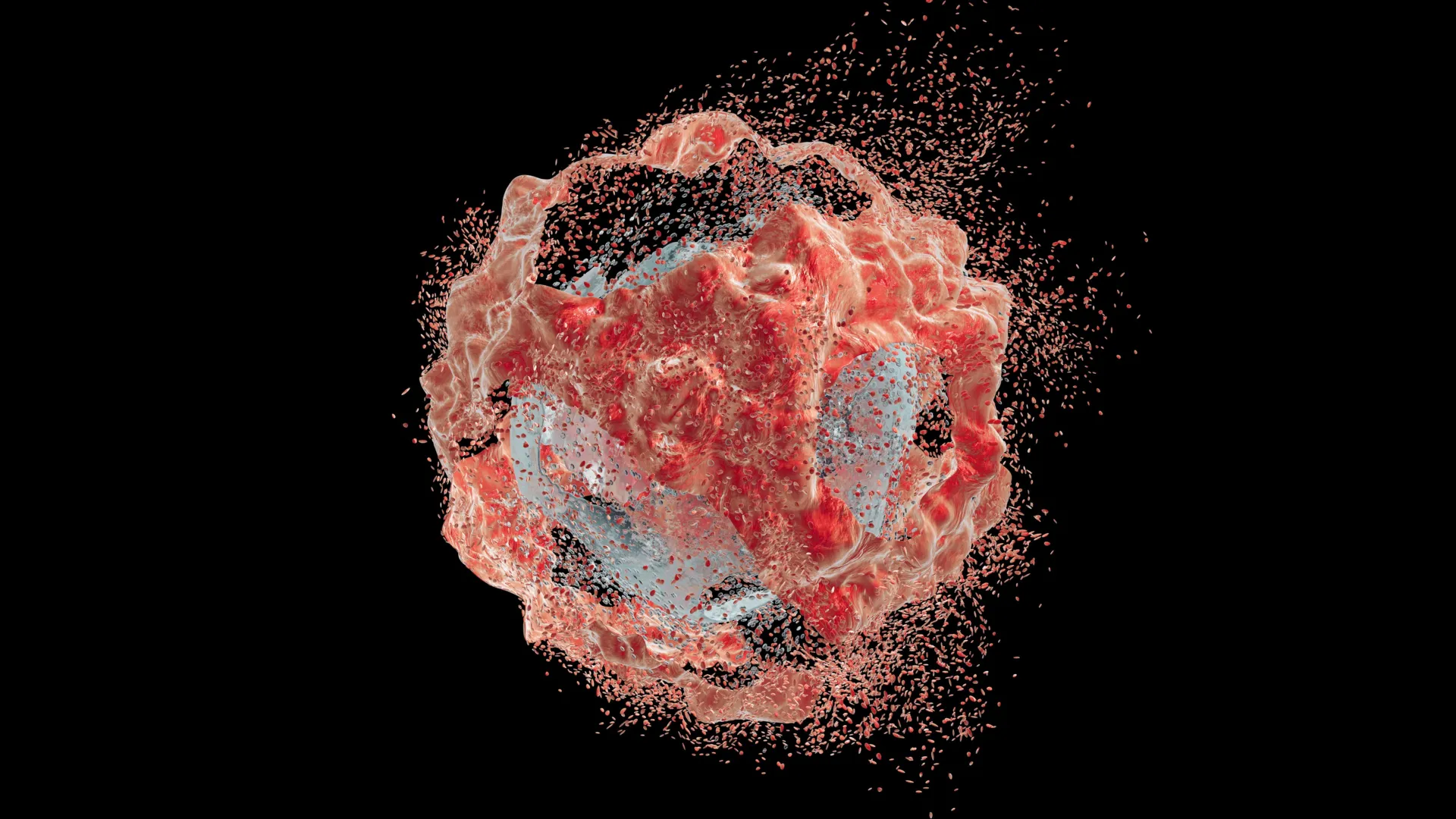
Pancreatic cancer ranks among the deadliest malignancies, with a five-year survival rate below 12 percent. A major reason for this grim outlook is the tumor's ability to create a dense, fibrotic shield around itself that blocks immune attacks and drug penetration. Researchers have now identified a pathway to breach this fortress.
Scientists discovered that blocking a protein called IL1RAP can dismantle the inflammatory network that sustains pancreatic cancer's protective microenvironment. IL1RAP, the interleukin-1 receptor accessory protein, acts as a linchpin in this protective system. When researchers targeted it in preclinical studies, they observed multiple therapeutic benefits simultaneously.
The experiments showed that blocking IL1RAP reduced the population of cancer-associated fibroblasts, the cells responsible for building the dense connective tissue that surrounds pancreatic tumors. This fibrosis acts like a physical barrier, preventing chemotherapy drugs from reaching cancer cells and blocking immune cells from penetrating the tumor core. By reducing this fibrotic armor, the approach opens pathways for treatment to work more effectively.
Beyond breaking down the physical barrier, the intervention also triggered immune activation. The research team observed an increase in the activity of tumor-infiltrating T cells, the body's primary cancer-fighting immune cells. This dual mechanism makes the approach particularly promising for combination therapy. Enhanced T cell activity could synergize with checkpoint inhibitor immunotherapies, which work by releasing the brakes on immune surveillance.
The findings were validated through preclinical models, which represent the phase between laboratory discovery and early human trials. These models allow researchers to test safety and efficacy before advancing to clinical studies. The results were compelling enough to warrant investigation in human patients, though the researchers have not yet published results from human trials.
Pancreatic cancer's notorious resistance to treatment stems from this protective ecosystem. The tumor recruits immune cells called macrophages and fibroblasts that create an immunosuppressive environment. Stellate cells, another component of this network, produce excess collagen that hardens into scar tissue. IL1RAP helps coordinate this entire inflammatory orchestra through interleukin-1 signaling.
By targeting IL1RAP rather than individual cell types or cytokines, researchers attack multiple nodes in the network simultaneously. This approach offers advantages over single-target therapies, which cancer cells can evade through adaptive resistance. The breadth of the mechanism means fewer escape routes for malignant cells.
The work aligns with a broader shift in cancer immunotherapy toward remodeling the tumor microenvironment. Checkpoint inhibitors alone have proven insufficient against pancreatic cancer, but combining immune activation with microenvironment disruption shows promise. Several companies and academic institutions are pursuing similar combination strategies, though the IL1RAP approach represents a novel angle.
Next steps involve translating these preclinical findings into clinical trials. Researchers must determine optimal IL1RAP inhibitor doses, identify which patient populations benefit most, and establish combination regimens with chemotherapy and immunotherapy. The timeline from preclinical validation to Phase 1 human studies typically spans two to three years, though this varies based on regulatory review and funding.
This discovery offers pancreatic cancer patients hope for improved treatment outcomes, though it remains one piece of a complex puzzle that researchers continue assembling.