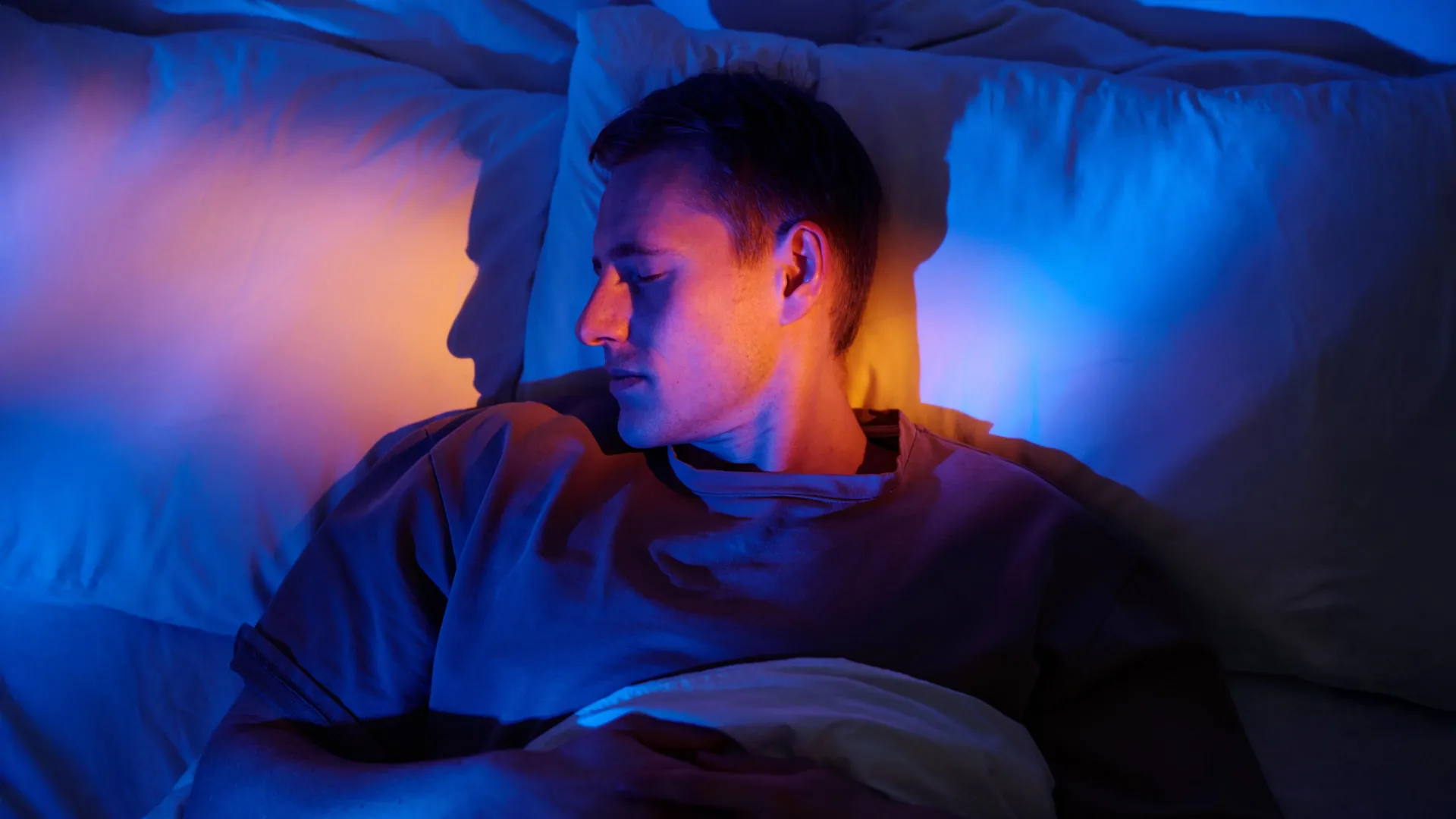
Researchers have identified a new cardiovascular risk linked to bedroom light exposure during sleep. A study of over 11,000 participants found that nighttime light exposure correlates with structural and functional changes in the heart, including thicker and stiffer heart chambers alongside early indicators of compromised heart function.
The research team analyzed data from participants in a large epidemiological study, measuring both light exposure during sleep and cardiac metrics through echocardiography. They discovered that individuals exposed to higher levels of nighttime light showed increased left ventricular wall thickness and reduced diastolic function, a measure of how well the heart relaxes and fills with blood between beats. These changes represent hallmark features of diastolic dysfunction, a condition that can progress to heart failure.
The mechanism underlying this relationship appears to involve circadian rhythm disruption. Light exposure at night suppresses melatonin production and disrupts the body's internal clock, triggering a cascade of physiological changes. These include altered autonomic nervous system activity, increased inflammation, oxidative stress, and dysregulation of blood pressure control. Over time, these cascading effects place sustained stress on heart muscle tissue, leading to cardiac remodeling characterized by chamber stiffness and wall thickening.
The findings carry substantial public health implications. Sleep quality has emerged as a critical yet frequently overlooked determinant of cardiovascular health. Unlike traditional risk factors such as hypertension, high cholesterol, and smoking, which receive substantial clinical attention, sleep environment optimization remains underemphasized in preventive cardiology. The study suggests that recommending darker sleeping conditions could represent a simple, low-cost intervention with potentially broad population-level benefits.
The research supports growing evidence that light pollution constitutes an environmental health hazard extending beyond circadian disruption. Previous studies have linked nighttime light exposure to metabolic dysfunction, obesity, depression, and increased cancer risk. The cardiac findings add cardiovascular disease to this expanding list of health consequences.
Important limitations shape the interpretation of these results. The study employed a cross-sectional design, meaning researchers captured a single moment in time rather than tracking individuals over years. This prevents establishment of definitive cause-and-effect relationships. The light measurements captured ambient bedroom illumination but did not account for individual variation in sensitivity to light, genetic differences in circadian regulation, or behavioral factors that might confound the associations. Additionally, the study population's demographic characteristics may limit generalizability to other communities.
Investigators assessed light exposure using devices placed in bedrooms, providing objective measurement superior to subjective reporting. However, they did not measure exposure intensity from electronic devices like smartphones and tablets, increasingly common sources of nighttime light in modern bedrooms.
The findings warrant follow-up research employing longitudinal designs that track individuals over extended periods. Intervention studies testing whether reducing nighttime light exposure improves cardiac function could establish causality. Meanwhile, cardiologists increasingly recognize sleep quality as integral to comprehensive cardiovascular risk assessment. Practical recommendations include installing blackout curtains, eliminating electronic displays from bedrooms, and using amber-tinted lighting if nighttime illumination becomes necessary.