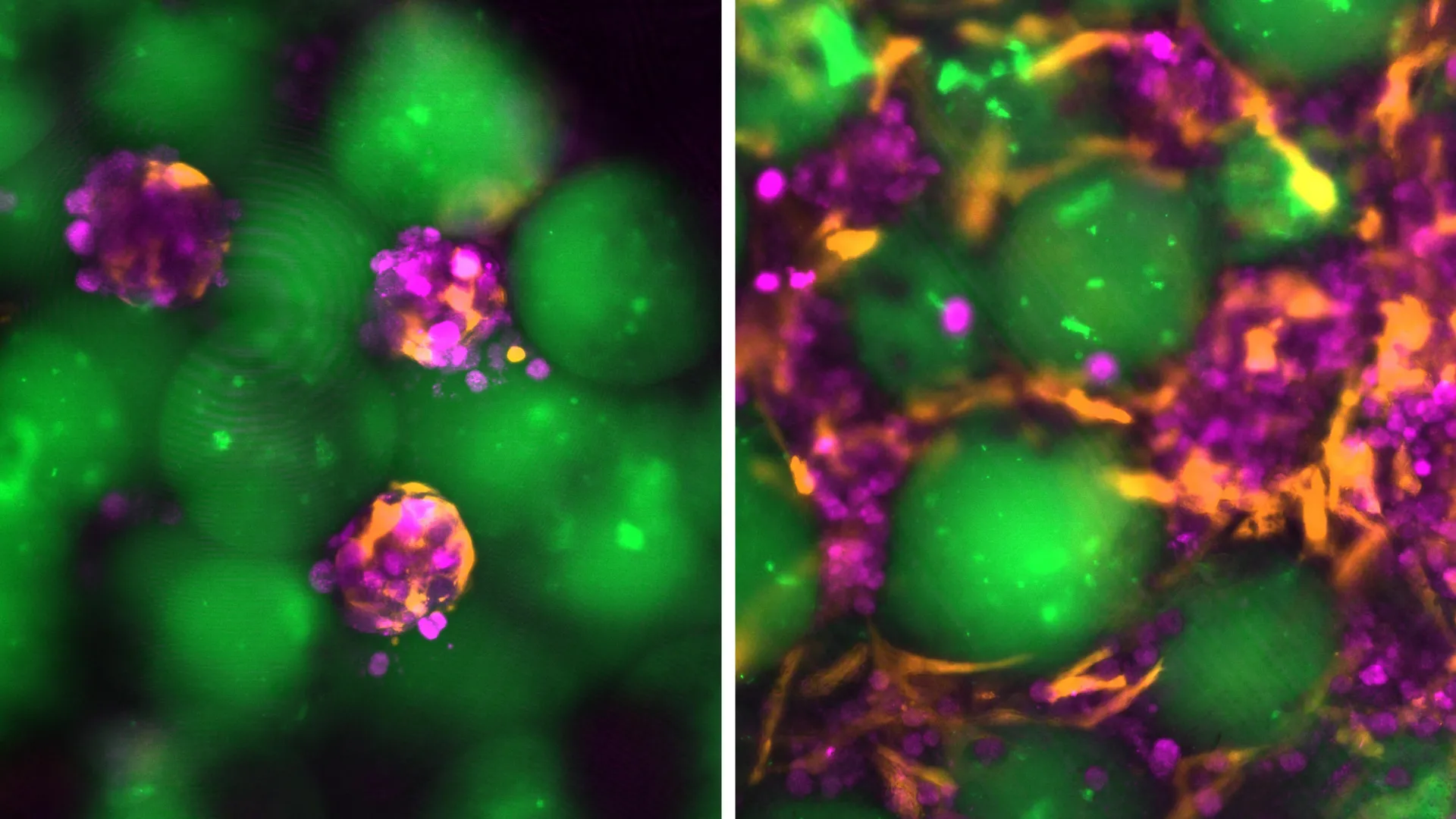
MIT engineers have created injectable tissue constructs that function as miniature livers within the body, offering a potential alternative to organ transplantation for patients with liver failure. The approach combines hepatocytes (liver cells) with microscopic hydrogel spheres and supporting cells to form a functional tissue pocket that integrates with the patient's existing blood vessels.
The research team embedded primary human liver cells into tiny hydrogel beads, then surrounded them with stromal cells that promote tissue survival and vascularization. This architecture allows the construct to establish connections with the host's bloodstream, enabling nutrient delivery and waste removal. Rather than attempting to replace the entire organ, the mini liver works alongside the damaged tissue to restore critical liver functions.
The hydrogel spheres serve multiple purposes in this system. They protect the fragile hepatocytes from mechanical stress during injection while creating a three-dimensional microenvironment that closely mimics liver tissue architecture. The stromal cells within the construct secrete growth factors and cytokines that encourage blood vessel formation, a process essential for the mini liver's survival and integration.
This approach addresses a major bottleneck in regenerative medicine. Traditional liver transplantation faces severe donor shortage constraints, with approximately 12,000 patients in the United States alone waiting for donor livers. Many patients die before receiving a transplant. Injectable tissue constructs could supplement failing livers without requiring major surgery or immunosuppressive therapy if the cells originate from the patient themselves.
The MIT team demonstrated that their injectable mini livers can maintain core hepatic functions including protein synthesis, albumin production, and metabolic activities. Preliminary results suggest the constructs remain viable within the body and continue functioning over extended periods. The hydrogel composition allows controlled degradation, meaning the scaffold gradually breaks down as native tissue forms.
Several challenges remain before clinical application. Scaling the technology to achieve therapeutically relevant liver mass requires injecting multiple constructs or refining the production process. The team must also confirm long-term safety and efficacy in larger animal models before human trials. Immune compatibility presents another consideration, though autologous cell approaches could eventually circumvent rejection issues.
The research builds on decades of bioengineering work attempting to create functional tissue replacements. Previous efforts focused on external bioreactors or implanted scaffolds, which required invasive surgery. The injectable approach reduces procedural complexity and recovery time compared to traditional transplantation.
MIT's research appears in a context of accelerating advances in tissue engineering. Similar groups worldwide are developing injectable constructs for pancreas, kidney, and heart tissue. The hydrogel platform used here proves adaptable to other cell types, potentially enabling a pipeline of injectable organ analogs.
The team plans to optimize hepatocyte sourcing, potentially using induced pluripotent stem cells (iPSCs) reprogrammed from patient skin or blood. This would eliminate rejection concerns entirely. Additional work will focus on scaling manufacturing processes and establishing standardized quality metrics for clinical-grade constructs.