# Tropical Warmth Triggers Unexpected Antarctic Ice Surge
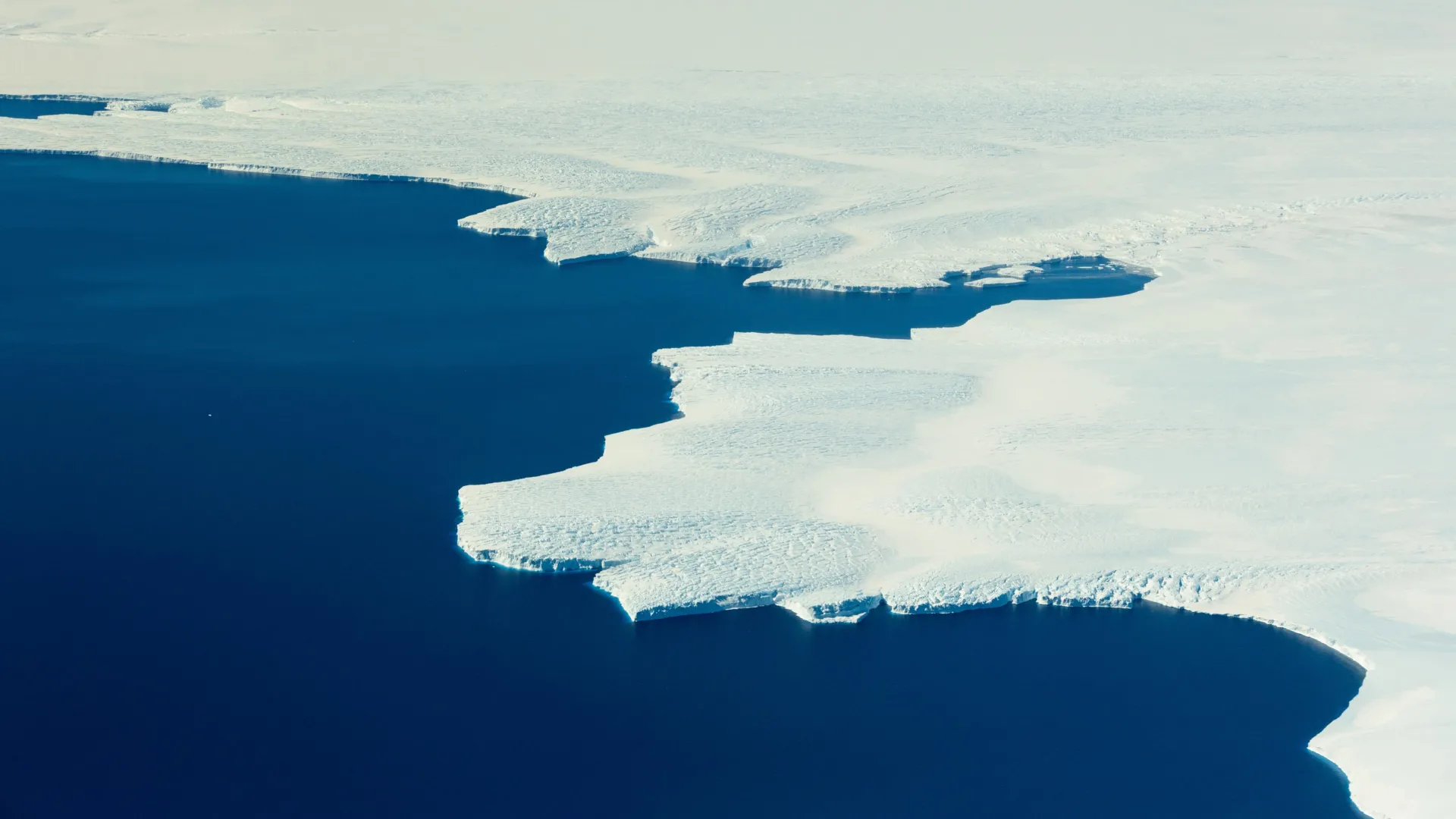
East Antarctica accumulated 695 billion tons of ice between 2021 and 2023, defying the continent's well-documented downward trajectory of ice loss. This two-year surge temporarily interrupted decades of decline, but researchers emphasize that the gains reflect weather volatility rather than a reversal of long-term climate trends.
Scientists traced the ice accumulation to atmospheric patterns originating thousands of miles away in tropical ocean waters. Warming in tropical regions altered large-scale atmospheric circulation systems, redirecting moisture-laden air masses toward East Antarctica. This atmospheric reorganization produced exceptionally heavy snowfall across the continent's eastern sector during this period.
The finding emerges from detailed satellite measurements and climate modeling. Researchers analyzed precipitation patterns and atmospheric data to demonstrate how distant tropical ocean temperatures influence Antarctic weather systems through teleconnections. These invisible atmospheric highways connect climate events across hemispheres, allowing warmth in one region to reshape precipitation patterns in another.
Antarctica's ice balance tells a complex story. While the continent loses roughly 150 billion tons of ice annually on average, individual regions and multi-year periods show substantial variability. West Antarctica and the Antarctic Peninsula have experienced dramatic ice sheet disintegration. East Antarctica, covering roughly twice the area, has shown more stability historically but remains vulnerable to rapid change.
The 2021-2023 accumulation provides a concrete example of how natural climate oscillations can temporarily mask or accelerate underlying warming trends. Similar episodic snowfall events occurred previously, particularly during the 1970s, when atmospheric conditions briefly favored heavy precipitation over East Antarctica. These episodes provide valuable natural experiments for understanding how the continent responds to shifting weather patterns.
Projections for Antarctica's future remain concerning despite recent gains. Global warming continues to drive long-term ice loss through multiple mechanisms. Warming air temperatures increase surface melting. Ocean warmth erodes floating ice shelves from below. These processes operate independently of short-term snowfall fluctuations, suggesting that the 2021-2023 gains represent temporary weather noise rather than a reversal of climate change.
The research also highlights the interconnected nature of Earth's climate system. Understanding Antarctic ice requires attention to tropical Pacific temperatures, atmospheric jet streams, and global pressure patterns. A single region's climate cannot be fully understood in isolation from planetary-scale dynamics.
Scientists stress the importance of distinguishing weather from climate. A two-year period of ice gain does not overturn three decades of measurements showing net Antarctic ice loss. Similarly, individual years with exceptional snowfall do not signal that warming has stopped or reversed. Climate assessments require decades of data and mechanistic understanding of underlying physical processes.
This discovery carries implications for sea level rise projections. Antarctica holds enough ice to raise global sea levels by roughly 58 meters if fully melted. Current ice loss from Antarctica contributes roughly 3.6 millimeters annually to sea level rise. Short-term fluctuations like the 2021-2023 event introduce uncertainty into decade-scale projections but do not alter the fundamental trajectory that continued warming will eventually drive net Antarctic ice loss.