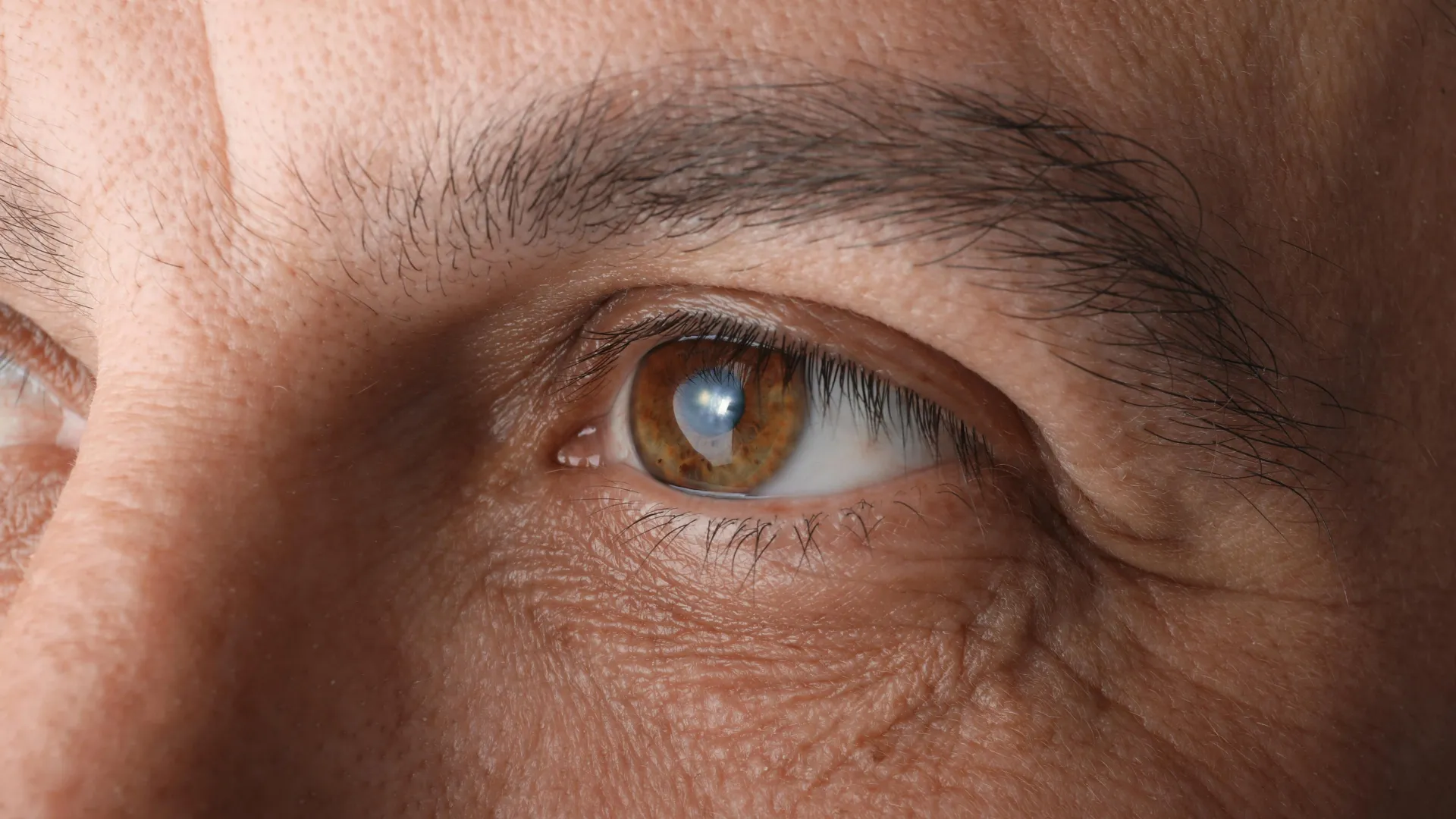
A large epidemiological study of nearly 74,000 men reveals that long-term use of tadalafil (Cialis) correlates with elevated risk of glaucoma and related eye pressure disorders. The research, which tracked men prescribed the medication for benign prostatic hyperplasia, found that users faced a 22 percent increased likelihood of developing glaucoma, a 32 percent higher risk of ocular hypertension, and a 33 percent greater chance of primary open-angle glaucoma diagnosis or treatment initiation over a five-year period.
Tadalafil belongs to a class of phosphodiesterase-5 inhibitors originally developed for erectile dysfunction. The drug has expanded clinical use for lower urinary tract symptoms associated with enlarged prostates, making it one of the most widely prescribed medications in this category. The mechanism behind the potential glaucoma link remains unclear but may relate to how the drug affects blood vessel function and intraocular pressure regulation.
The study represents one of the largest systematic examinations of this specific safety concern. Researchers analyzed prescription records and clinical diagnoses across a substantial patient population, providing epidemiological evidence distinct from smaller case reports or mechanistic laboratory studies. This scale matters because it captures real-world outcomes across diverse patient populations rather than controlled clinical settings.
Glaucoma develops when elevated intraocular pressure damages the optic nerve, potentially causing irreversible vision loss if untreated. Early detection through regular eye pressure screening can prevent progression through medication or surgery. The condition often progresses without symptoms, earning it the nickname "silent thief of sight." Primary open-angle glaucoma represents the most common form in developed nations.
The findings warrant clinical attention because tadalafil prescriptions for benign prostatic hyperplasia have increased substantially as men age and seek treatment for urinary urgency and frequency. Many patients take the medication chronically, creating prolonged exposure windows. Ophthalmologists and urologists need awareness of this potential association when selecting treatments or monitoring patients already taking the drug.
Several limitations constrain interpretation. The study demonstrates association, not causation. Confounding variables including underlying hypertension, diabetes, or genetic glaucoma predisposition could explain elevated risk in tadalafil users. Patients prescribed the medication for prostate symptoms may share unmeasured characteristics that independently increase glaucoma likelihood. Additionally, diagnostic bias cannot be excluded. Men taking tadalafil might receive more frequent medical monitoring than the general population, potentially leading to earlier glaucoma detection rather than truly higher incidence.
The research does not suggest patients immediately discontinue tadalafil therapy. Rather, it highlights a need for heightened vigilance during treatment. Patients starting or continuing tadalafil for prostate symptoms should discuss glaucoma risk with their physicians and maintain regular eye pressure screening through optometry or ophthalmology visits. Those with personal or family histories of glaucoma warrant particular discussion before initiating therapy.
Future research should investigate the biological mechanisms linking phosphodiesterase-5 inhibition to intraocular pressure changes. Prospective studies with standardized glaucoma screening protocols could strengthen causal inference beyond observational associations. Researchers should also examine whether dose and duration of tadalafil use create dose-response relationships with glaucoma risk. Until mechanistic clarity emerges, clinicians will balance the substantial benefits of tadalafil for lower urinary tract symptoms against this newly quantified ocular safety signal.