# Scientists Discover Bone-Building Switch That May Combat Osteoporosis
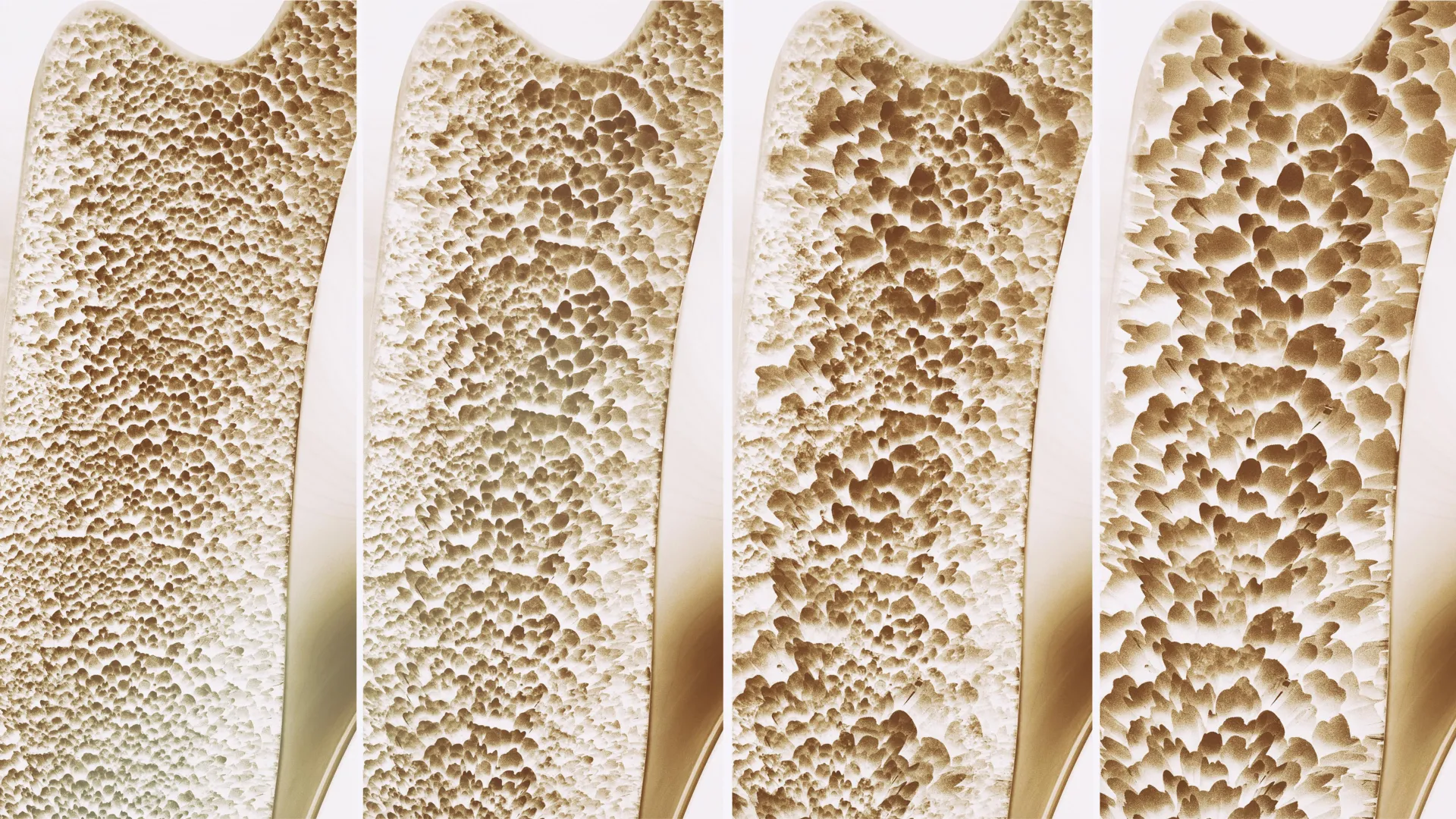
Researchers have identified a molecular mechanism for building stronger bones and potentially reversing age-related bone loss. An experimental compound called AP503 activates GPR133, a cell surface receptor that simultaneously increases bone formation and decreases bone breakdown in mice, according to work presented through ScienceDaily.
The discovery targets a fundamental problem in aging populations. Osteoporosis affects over 10 million Americans, with one in three women and one in five men over age 50 experiencing fractures from weakened bones. Current treatments rely primarily on bisphosphonates, which slow bone loss but don't actively stimulate new bone growth. Existing anabolic therapies like teriparatide work for limited periods and carry restrictions on use duration.
GPR133 belongs to a class of cellular receptors called G-protein coupled receptors, or GPCRs. These proteins sit on cell surfaces and trigger signaling cascades inside cells when activated by specific compounds. Bone cells called osteoblasts express GPR133, and activating this receptor appears to flip a metabolic switch favoring bone building.
In the mouse studies, AP503 demonstrated dual benefits. The compound strengthened bone density and increased bone formation markers while simultaneously lowering bone resorption, the process by which osteoclasts break down existing bone tissue. This two-pronged approach differs from conventional osteoporosis drugs that typically address only one side of bone metabolism.
The research team observed something unexpected beyond skeletal improvements. AP503 also enhanced muscle strength in the treated mice, suggesting GPR133 activation may influence musculoskeletal health more broadly. This connection proves clinically relevant since age-related muscle loss, or sarcopenia, often accompanies osteoporosis and increases fracture risk independent of bone density.
The findings emerged from preclinical research, meaning the work remains in early developmental stages. Mouse models, while useful for initial proof-of-concept studies, don't always translate directly to human physiology. Researchers must still determine appropriate dosing, potential side effects, and whether AP503 proves safe and effective in human patients. The compound will require extensive testing before reaching clinical trials.
GPCRs represent established drug targets in medicine, with approximately 30 percent of FDA-approved medications targeting these receptors. This existing knowledge base may accelerate AP503's development pathway compared to entirely novel drug mechanisms. However, pharmaceutical development timelines typically span 10 to 15 years from initial discovery to FDA approval.
The mechanism also raises questions about bone quality beyond density. Osteoporosis involves both reduced bone mass and compromised bone architecture. Researchers must verify whether AP503-strengthened bones gain improved structural integrity and fracture resistance, not just increased density measurements.
Future work will likely focus on optimizing AP503's chemical structure to enhance potency and selectivity. Scientists may also explore whether combining GPR133 activation with existing osteoporosis treatments creates synergistic benefits. Understanding how GPR133 connects to muscle metabolism could open parallel therapeutic strategies for sarcopenia, a condition currently lacking effective pharmaceutical interventions.