# Ozempic and Wegovy Show Promise in Reducing Asthma Attacks, Large Study Finds
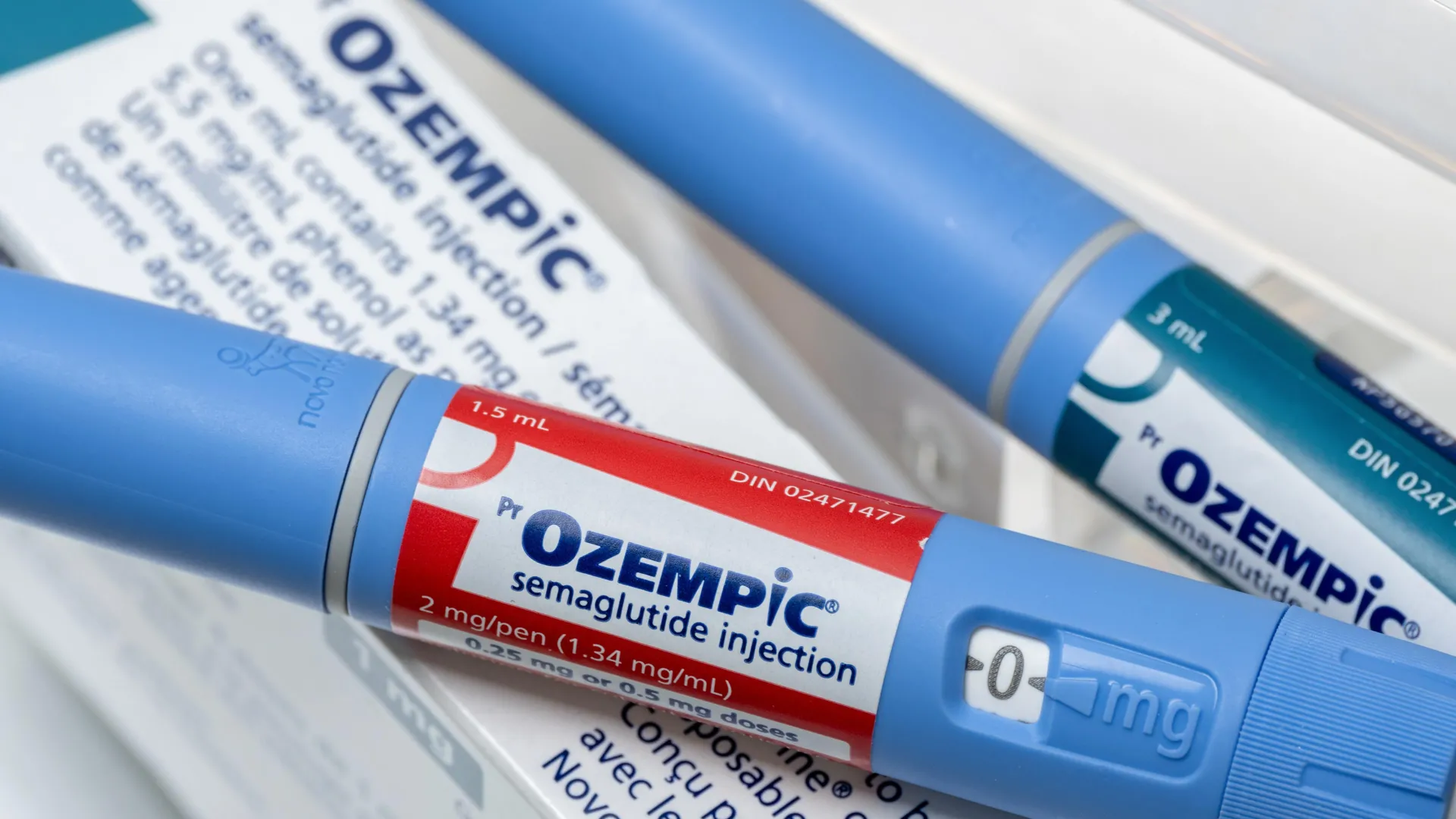
Semaglutide, the active ingredient in the diabetes drug Ozempic and the weight-loss medication Wegovy, reduced asthma attacks by nearly 40% in a large real-world study. The drug also cut chronic obstructive pulmonary disease (COPD) flare-ups by approximately 20%, researchers reported.
The findings emerge from an observational study analyzing health records rather than a controlled clinical trial. The study examined outcomes in patients using semaglutide and compared them to matched control groups without the medication. These results suggest GLP-1 receptor agonists, the drug class that includes semaglutide, may offer respiratory benefits beyond their established effects on weight loss and blood sugar control.
Semaglutide belongs to a family of medications that mimic glucagon-like peptide-1, a hormone that regulates appetite and blood sugar. The drugs work by slowing stomach emptying and increasing feelings of fullness, helping patients lose weight. Ozempic targets type 2 diabetes, while Wegovy is approved specifically for chronic weight management. Both medications have dominated health news over the past three years due to surging demand and celebrity use.
The respiratory benefits align with growing evidence that obesity and diabetes each independently worsen asthma and COPD. Excess weight increases inflammation throughout the body and puts pressure on the lungs. High blood sugar impairs immune function and worsens respiratory inflammation. By addressing both obesity and metabolic dysfunction simultaneously, semaglutide may reduce asthma and COPD severity through multiple pathways.
The study's size and real-world design lend credibility to the findings. Researchers analyzed data from tens of thousands of patients, not hundreds, capturing outcomes across diverse patient populations in typical clinical practice rather than controlled settings. Real-world data often reveals medication effects that randomized trials miss because trials enroll selected populations and monitor patients intensively.
However, limitations warrant caution. Observational studies cannot prove causation. Patients who take semaglutide may differ from control groups in unmeasured ways that independently improve respiratory health, such as overall health consciousness or access to better medical care. Researchers attempted to match groups on baseline characteristics like age, weight, and smoking status, but residual confounding remains possible.
The findings do not yet justify prescribing these expensive medications primarily for asthma or COPD management. Semaglutide costs several hundred dollars monthly, and respiratory benefits require months to emerge. Inhalers and other respiratory-specific treatments remain first-line therapies with faster action and lower cost.
Researchers called for randomized controlled trials to determine whether semaglutide directly improves respiratory function or whether benefits stem entirely from weight loss. Such trials would clarify dosing, patient populations most likely to benefit, and whether effects persist long-term. Trials could also reveal mechanisms, helping scientists understand why GLP-1 activation reduces respiratory inflammation.
The work expands evidence that GLP-1 drugs alter physiology in ways beyond appetite suppression. Recent studies linked semaglutide to reduced heart disease risk and improved kidney function in diabetes patients. If respiratory benefits hold up in rigorous trials, GLP-1 medications could become therapeutic tools for multiple chronic conditions, though weight loss and metabolic improvements would likely remain their primary indications.