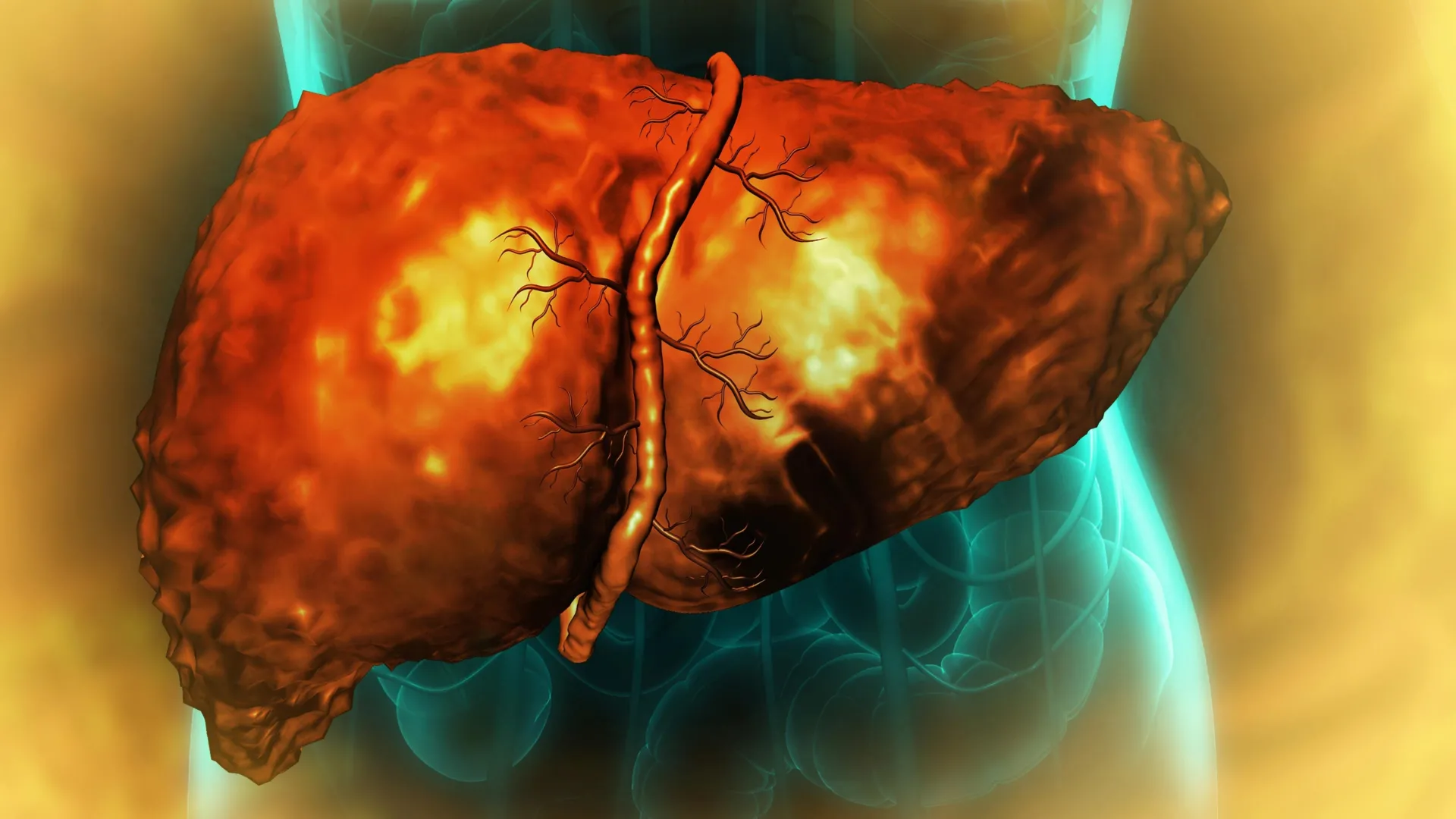
Tetrachloroethylene, a solvent used in dry cleaning for decades, appears to pose a serious liver threat at levels currently found in many Americans, according to new research linking the chemical to tripled risk of liver fibrosis.
Researchers discovered that people with detectable blood concentrations of PCE, the chemical's scientific abbreviation, show three times the likelihood of significant liver scarring compared to those with no measurable exposure. The risk escalates proportionally with PCE levels in the bloodstream, persisting even when researchers controlled for established liver damage factors including age, sex, race, education level, alcohol consumption, and metabolic disorders.
PCE has served as a primary solvent in commercial dry-cleaning operations since the 1950s, making it one of the most widely used industrial chemicals in the United States. Beyond professional cleaning facilities, PCE appears in some household products and contaminates groundwater near manufacturing sites and dry-cleaning establishments. Previous studies identified PCE as a probable human carcinogen, but its role in liver disease has received limited attention.
Liver fibrosis represents a progressive scarring condition where healthy liver tissue converts to fibrous material, gradually reducing organ function. When fibrosis advances unchecked, patients face escalating risks of cirrhosis, liver failure, and hepatocellular carcinoma. The condition often develops silently without symptoms until substantial damage occurs, making early identification of contributing risk factors especially valuable.
The research involved analyzing blood samples and liver imaging data from a large population cohort, though the announcement does not specify the exact sample size or the specific research institution leading the work. Researchers measured PCE concentrations and evaluated liver fibrosis using noninvasive imaging techniques rather than biopsies, reducing procedural risks while enabling broader population screening.
The dose-response relationship observed in the data strengthens confidence in the chemical's hepatotoxic effects. This pattern indicates that the damage does not result from contamination or chance association but reflects a genuine biological mechanism. The persistence of the association after controlling for confounding variables suggests PCE exposure itself drives the increased fibrosis risk rather than correlated lifestyle factors.
Environmental Protection Agency regulations currently permit PCE in drinking water up to 5 parts per billion, established primarily based on cancer risk rather than liver toxicity data. This study raises questions about whether existing exposure limits adequately protect liver health, particularly for vulnerable populations with chronic exposure through occupational contact or residential proximity to contaminated sites.
Dry-cleaning workers face the highest occupational exposure to PCE, inhaling vapors during daily operations. Even customers using dry-cleaning services multiple times weekly accumulate detectable PCE residues through skin absorption and inhalation from treated garments. Groundwater contamination near dry-cleaning facilities extends exposure to nearby residents.
The findings point toward the need for updated exposure guidelines and expanded health monitoring programs for workers in the dry-cleaning industry. Patients with liver disease of unclear origin might benefit from PCE exposure assessment as part of diagnostic evaluation. The research also highlights how common industrial chemicals can harbor health consequences that remain unrecognized until large-scale epidemiological studies illuminate previously hidden risks.