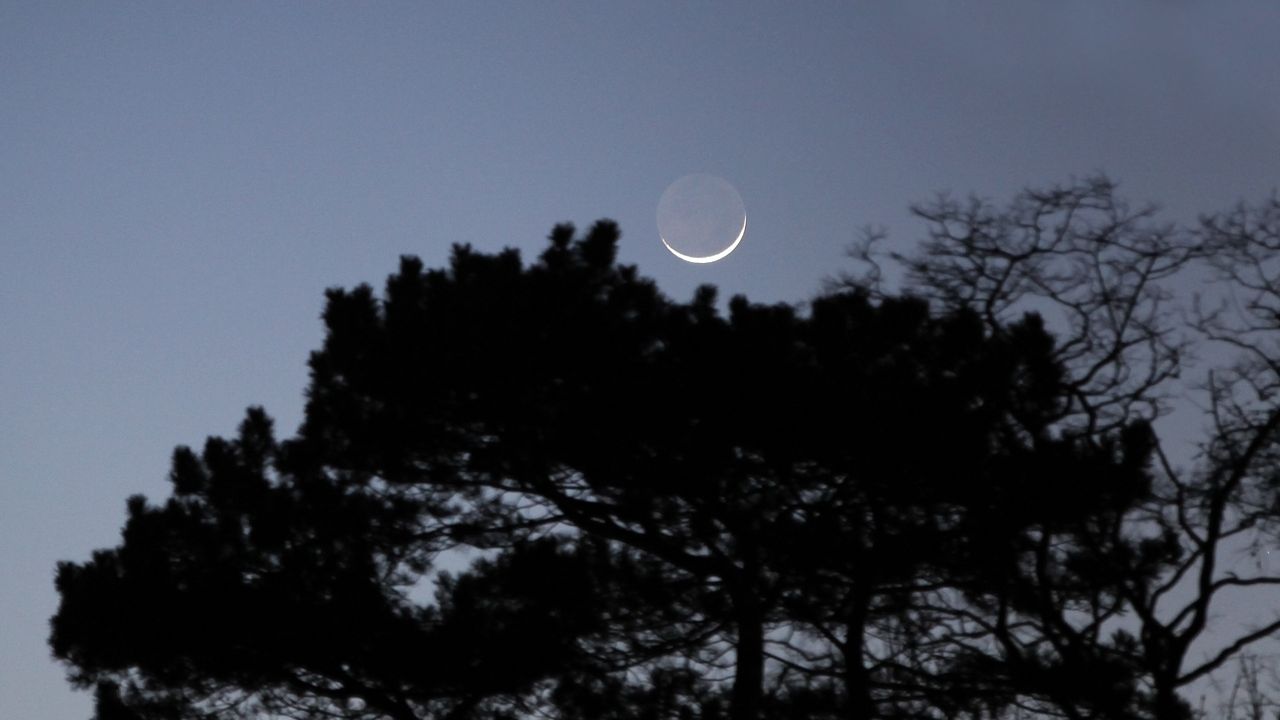
# Moon Will Block Jupiter From View in Rare Daytime Occultation on September 8
A rare astronomical event unfolds on September 8 when the moon passes directly in front of Jupiter, blocking the gas giant from view during daylight hours. This occultation, where one celestial body obscures another, ranks among the most unusual viewing opportunities for skywatchers this year.
The occultation begins before dawn, with the moon and Jupiter approaching each other in the pre-sunrise sky. As morning light increases and the sun rises, the pair will remain visible in the sky, though spotting Jupiter becomes progressively difficult as daylight intensifies. The moon will eventually cover Jupiter entirely, rendering the planet invisible to the naked eye from Earth. After the occultation ends, Jupiter will reappear from behind the lunar disk.
Daytime occultations involving bright planets prove exceptionally rare. Jupiter's immense distance from Earth and the moon's relatively small apparent size in the sky mean such alignments occur infrequently. For most observers, the September 8 event represents a once-in-a-generation opportunity. The exact visibility and timing depend on geographic location, with different regions experiencing different durations and start times for the occultation.
Observers planning to witness this event face genuine challenges. Viewing Jupiter during daylight requires knowing precisely where to look in the sky. Without optical aid, pinpointing the planet's location proves nearly impossible once the sun rises and fills the sky with light. Binoculars or a telescope equipped with a solar filter can assist, though observers must exercise extreme caution to avoid pointing optical instruments near the sun. Accidentally directing a telescope toward the sun causes permanent, irreversible eye damage.
The safest approach involves using a telescope with proper solar filters or attending organized viewing events hosted by planetariums and astronomy clubs. These institutions often set up equipment specifically calibrated for daytime observations and provide expert guidance on safe viewing techniques.
Preparation begins well before September 8. Observers should determine their latitude and longitude to calculate precise timing for their location. Online astronomy software and applications provide this information, showing not only when the occultation occurs but also the moon's exact position in the sky at specific times. Consulting these resources eliminates the guesswork from finding the event.
The scientific value of occultations extends beyond mere observation. Amateur astronomers contribute valuable data to professional researchers by timing occultations with precision. These measurements help refine our understanding of the moon's orbit and detect previously unknown objects. The September 8 occultation offers opportunities for citizen scientists to participate in data collection.
Weather considerations prove critical. Cloud cover will completely obscure the occultation, making location selection important for those planning dedicated observation sessions. Checking forecast maps in the days leading up to September 8 helps identify regions with the clearest skies.
This celestial alignment reminds observers that the night sky offers regular surprises for those paying attention. Marking calendars now and gathering proper equipment ensures observers maximize their chances of witnessing Jupiter's temporary lunar eclipse.