# Scientists Map Breast Tumors and Discover Cancer Cells Hidden Behind Protective Barriers
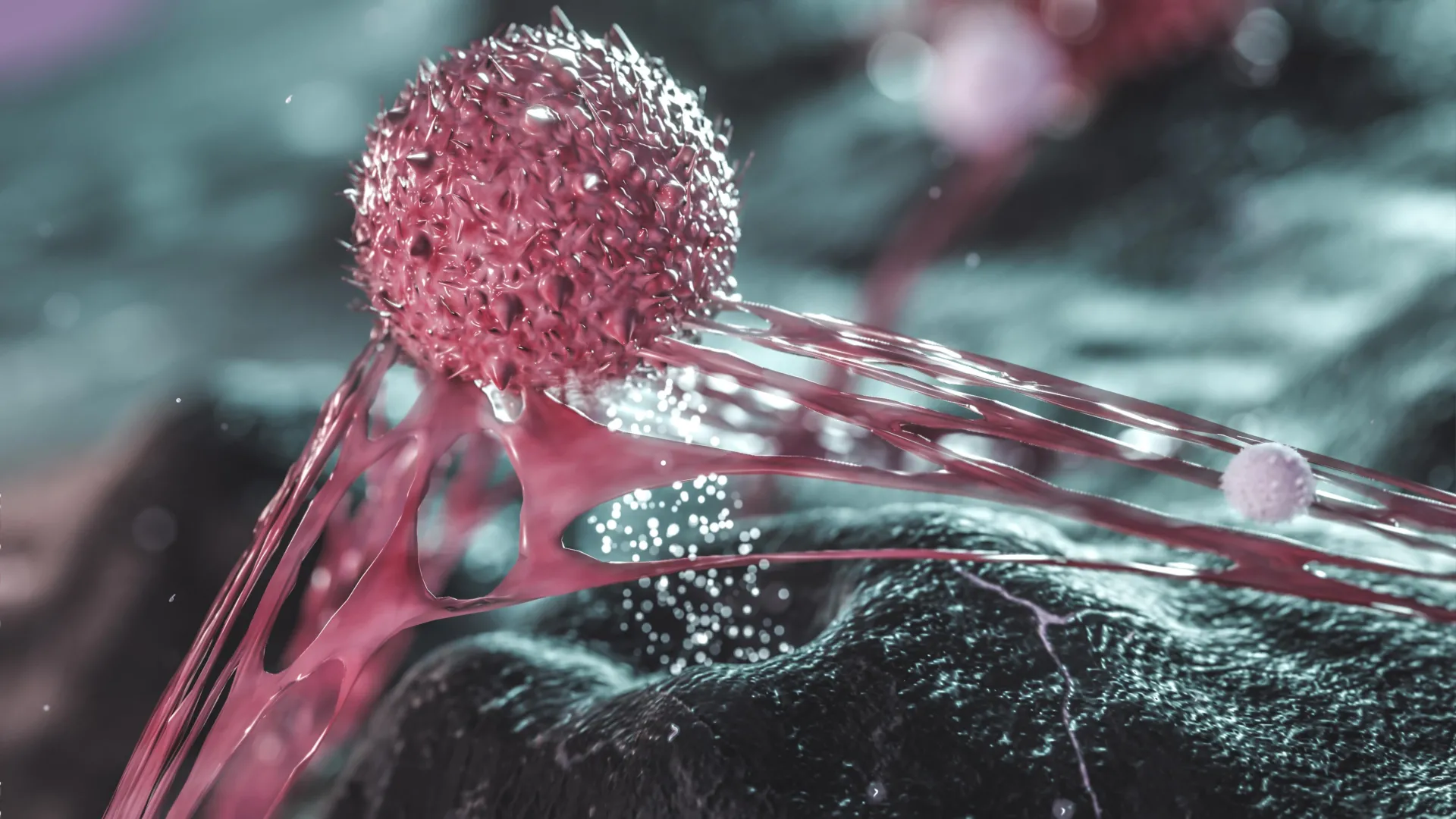
Researchers have identified dormant breast cancer cells tucked inside protective pockets within tumors, a finding that explains how cancer survives treatment and returns months or years later. The discovery reshapes understanding of tumor structure and opens new avenues for preventing recurrence.
The research team mapped breast tumors with unprecedented resolution, revealing that these hidden cells remain inactive rather than dividing rapidly. Cancer cells in dormancy do not respond to standard chemotherapy, which targets actively dividing cells. This dormancy allows malignant cells to essentially enter a hibernation state, surviving aggressive treatment and waiting to reactivate when conditions favor growth.
The protective environment surrounding these dormant cells consists of immune cells and connective tissue cells that function like a physical and biological shield. This barrier insulates the cancer cells from chemotherapy drugs and from the body's immune system. The immune cells that should recognize and destroy cancer instead tolerate or even protect the tumors, a phenomenon known as immune tolerance.
This finding aligns with clinical observations that many breast cancer patients experience recurrence years after successful initial treatment. Metastatic breast cancer, which spreads to distant organs, often emerges from these dormant cell populations. Understanding their location and protection mechanisms provides concrete targets for future therapies.
The research employed advanced imaging and cellular analysis techniques that allowed scientists to visualize tumor architecture with cell-level detail. Previous studies identified dormant cancer cells in general terms, but mapping their exact locations within tumors and identifying their neighboring protective cells represents a step forward in translating knowledge into clinical strategy.
Several therapeutic approaches now appear possible. Researchers could design drugs that disrupt the protective microenvironment, making dormant cells vulnerable. Alternatively, therapies might wake dormant cells and force them to divide, rendering them susceptible to chemotherapy. Combination approaches pairing traditional chemotherapy with drugs targeting the protective shield show promise in early studies.
The immune cells protecting these tumors present another angle. Researchers are exploring whether checkpoint inhibitors, which unleash immune responses against cancer, might penetrate these protective pockets and attack dormant cells. Such immunotherapies already show efficacy in other cancer types.
These findings carry direct implications for treatment planning. Oncologists may eventually use tumor mapping techniques to identify which patients harbor significant dormant cell populations, helping stratify risk for recurrence. Patients at higher risk could receive extended or modified therapy targeting these protected cells.
The research also hints at why some patients remain cancer-free while others experience recurrence despite similar initial treatments. Tumor microenvironment composition varies between patients, affecting which dormant cell populations successfully survive and eventually reactivate.
Translating this research into clinical practice requires time. Researchers must validate these findings in larger patient populations, develop practical methods to identify these protective environments, and test new drug combinations that target both active and dormant cells. Clinical trials combining traditional chemotherapy with microenvironment-disrupting agents are likely to launch within the next two to three years.