# Sorbitol's Hidden Metabolic Risk Rivals High-Fructose Harm
Sorbitol, the ubiquitous sweetener in sugar-free gums, candies, and diet foods, poses a metabolic problem that manufacturers and consumers alike have overlooked. Researchers at Washington University in St. Louis discovered that the body converts sorbitol into fructose in the liver, potentially triggering the same harmful metabolic cascades associated with high-fructose consumption.
The finding challenges the widespread assumption that sugar alcohols offer a safe alternative to table sugar and high-fructose corn syrup. For decades, sorbitol has dominated the sugar-free market precisely because it provides sweetness without the immediate blood sugar spike that regular sugar produces. Food manufacturers have heavily promoted products sweetened with sorbitol to health-conscious consumers and people managing diabetes or weight.
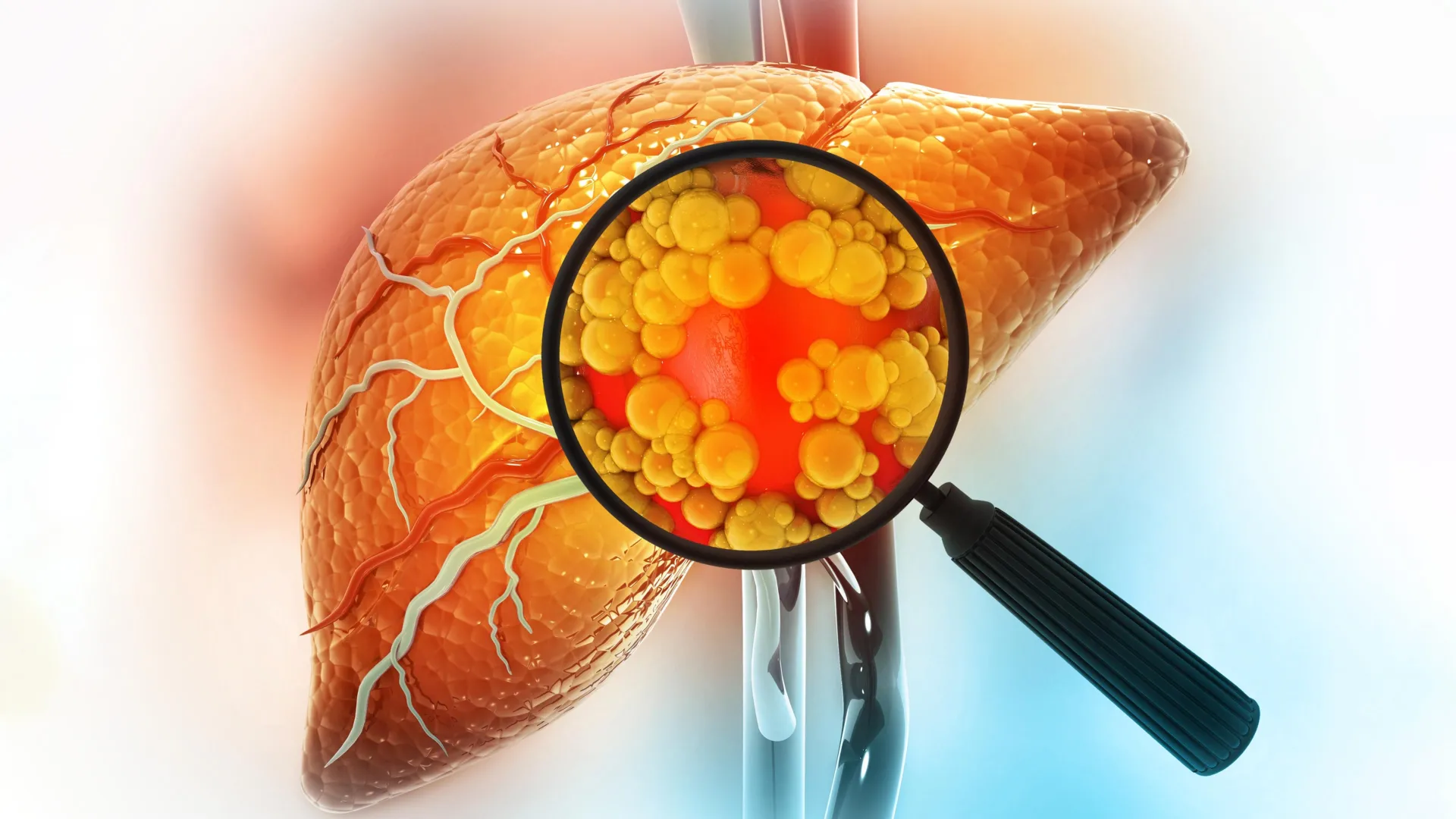
The Washington University team identified a conversion pathway in hepatic metabolism that transforms sorbitol into fructose. This matters because fructose metabolism differs fundamentally from glucose metabolism. Unlike glucose, which cells throughout the body can use directly, fructose enters the liver almost exclusively for processing. This hepatic-concentrated metabolism can trigger lipogenesis, the production of fat within liver cells, contributing to fatty liver disease, metabolic dysfunction, and elevated triglycerides.
The research suggests sorbitol consumption may activate the same pathological cascade. This discovery expands concerns about sugar alcohols beyond their well-documented gastrointestinal side effects. Sorbitol already carried a warning label for digestive complaints when consumed in large quantities. The osmotic effect that causes diarrhea, bloating, and gas in sensitive individuals remained the primary known risk. This hepatic conversion pathway represents a different harm vector entirely, operating silently without immediate digestive distress.
The implications ripple through the food industry. Sorbitol remains one of the most economical sugar substitutes for manufacturers, appearing in thousands of products marketed as diabetic-friendly or weight-loss supportive. Xylitol and erythritol have gained traction in premium products, but sorbitol's cost advantage keeps it dominant in mass-market alternatives. Consumers believing they make health-conscious choices by purchasing sugar-free products may inadvertently consume something metabolically problematic in different ways.
The study also raises questions about other polyols and sugar alcohols. If sorbitol undergoes hepatic conversion, researchers must determine whether similar pathways affect mannitol, maltitol, or other commonly used sweetening agents. The scope of risk exposure across the entire sugar-alcohol category remains unclear pending further investigation.
For individuals with metabolic concerns, particularly those with fatty liver disease, prediabetes, or a family history of metabolic syndrome, the findings warrant dietary reconsideration. Whole-food sweetening strategies using stevia, monk fruit, or moderate quantities of honey may warrant exploration pending further research into alternative sweeteners.
The Washington University findings underscore a broader principle in nutrition science. The absence of immediate adverse effects does not guarantee metabolic safety. Just as high-fructose corn syrup seemed benign until decades of epidemiological evidence linked it to metabolic disease, sorbitol's long history of use without obvious harm provided false reassurance. The body's ability to biochemically transform compounds means manufacturers and regulators must examine not just a sweetener's direct properties but also its metabolic fate once consumed.