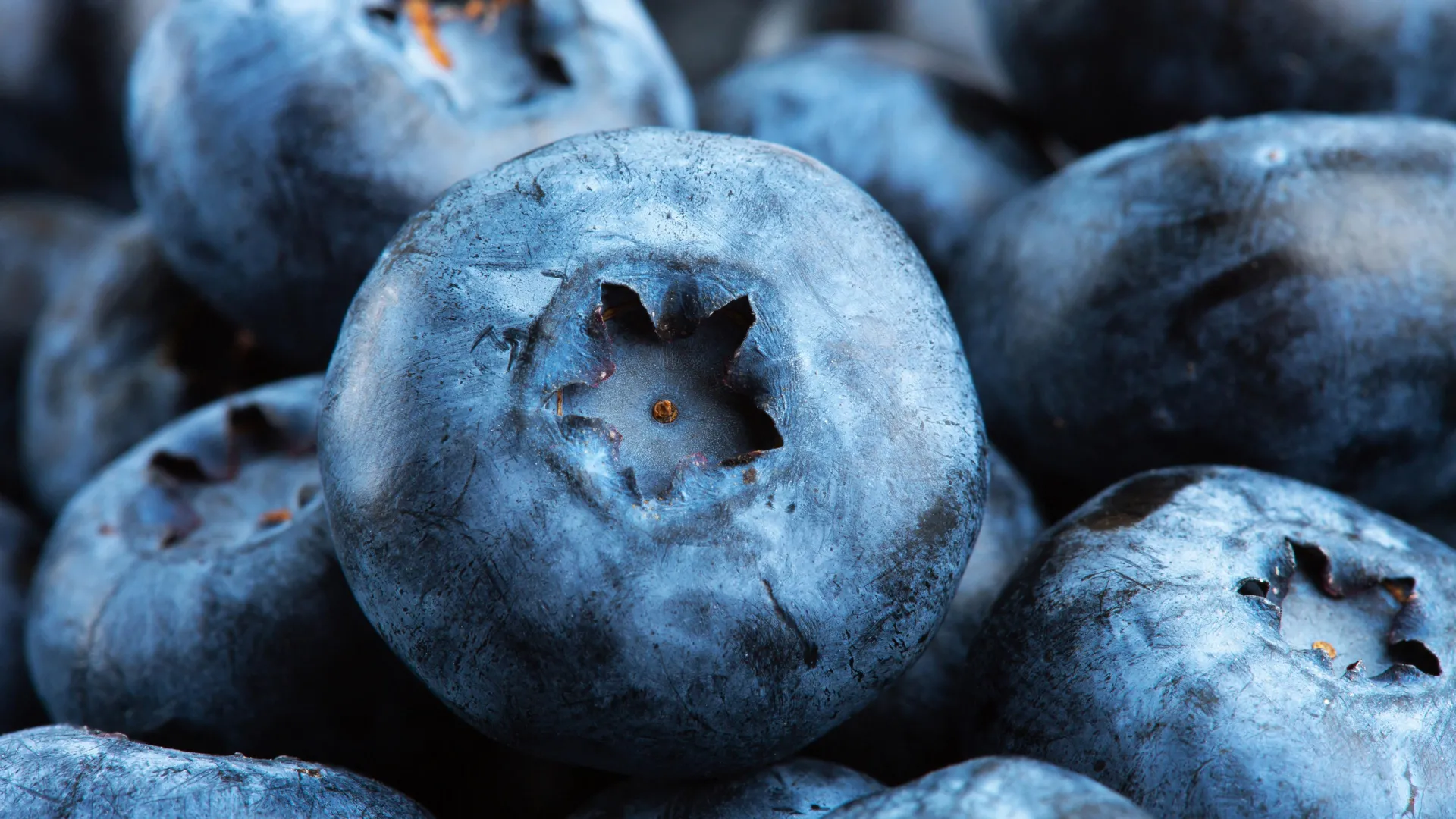
Japanese researchers have isolated pterostilbene, a plant compound abundant in blueberries and grapes, as a potential tool for reducing pathological fat accumulation in muscle tissue. The finding emerged from laboratory work on cultured mouse muscle cells and points toward a possible dietary intervention for metabolic dysfunction.
The research team exposed mouse muscle cells to pterostilbene and observed measurable changes in how those cells processed fat. The compound accelerated fat breakdown while simultaneously stabilizing a critical protein responsible for fatty acid metabolism. This dual action redirected cellular behavior from fat storage toward fat combustion, reducing the abnormal lipid buildup that characterizes metabolic disease.
Pterostilbene belongs to a class of plant compounds called stilbenes, which are produced naturally as part of plants' defense mechanisms. These molecules accumulate in berry skins and seeds. Previous research has identified pterostilbene in blueberries, grapes, and other berry species, making it naturally available through food sources.
The specific protein stabilized by pterostilbene in this study plays a central role in fatty acid oxidation, the metabolic process that converts fats into energy. When this protein functions properly, muscle cells burn lipids rather than sequestering them. Ectopic fat accumulation in muscle tissue, called intramuscular adiposity, interferes with insulin signaling and contributes to insulin resistance and type 2 diabetes risk.
This work remains preliminary. The experiments occurred in cultured cells rather than living animals or humans, which means the findings do not yet demonstrate whether pterostilbene produces these effects in intact organisms. Dosage remains unclear, as does whether the compound crosses biological barriers effectively in vivo. Additionally, the research has not established whether consuming berries rich in pterostilbene would deliver sufficient quantities to muscle tissue to replicate the observed cellular effects.
The Japanese team's approach aligns with broader research into plant-derived metabolic regulators. Other polyphenols and stilbenes have shown promise in preclinical studies for improving metabolic parameters, though translation to clinical benefit has proved inconsistent. The berry compound landscape includes resveratrol, anthocyanins, and other molecules that have similarly demonstrated metabolic effects in cell culture but failed to show compelling benefits in human trials.
The practical next steps involve testing pterostilbene in animal models to determine whether it reaches muscle tissue and produces fat-burning effects in living systems. If successful, researchers would design dose-escalation studies in human volunteers to measure real-world metabolic changes. Such work could take years and might not yield actionable dietary recommendations.
The finding does reinforce the general principle that whole berries contain bioactive compounds with metabolic properties. However, interpreting a single compound's behavior in isolated cells carries inherent limitations. Cellular context, organism-level regulation, and individual genetic variation all shape whether laboratory results translate into health benefits.