# Bonnethead Sharks Challenge Sexual Dimorphism Assumptions
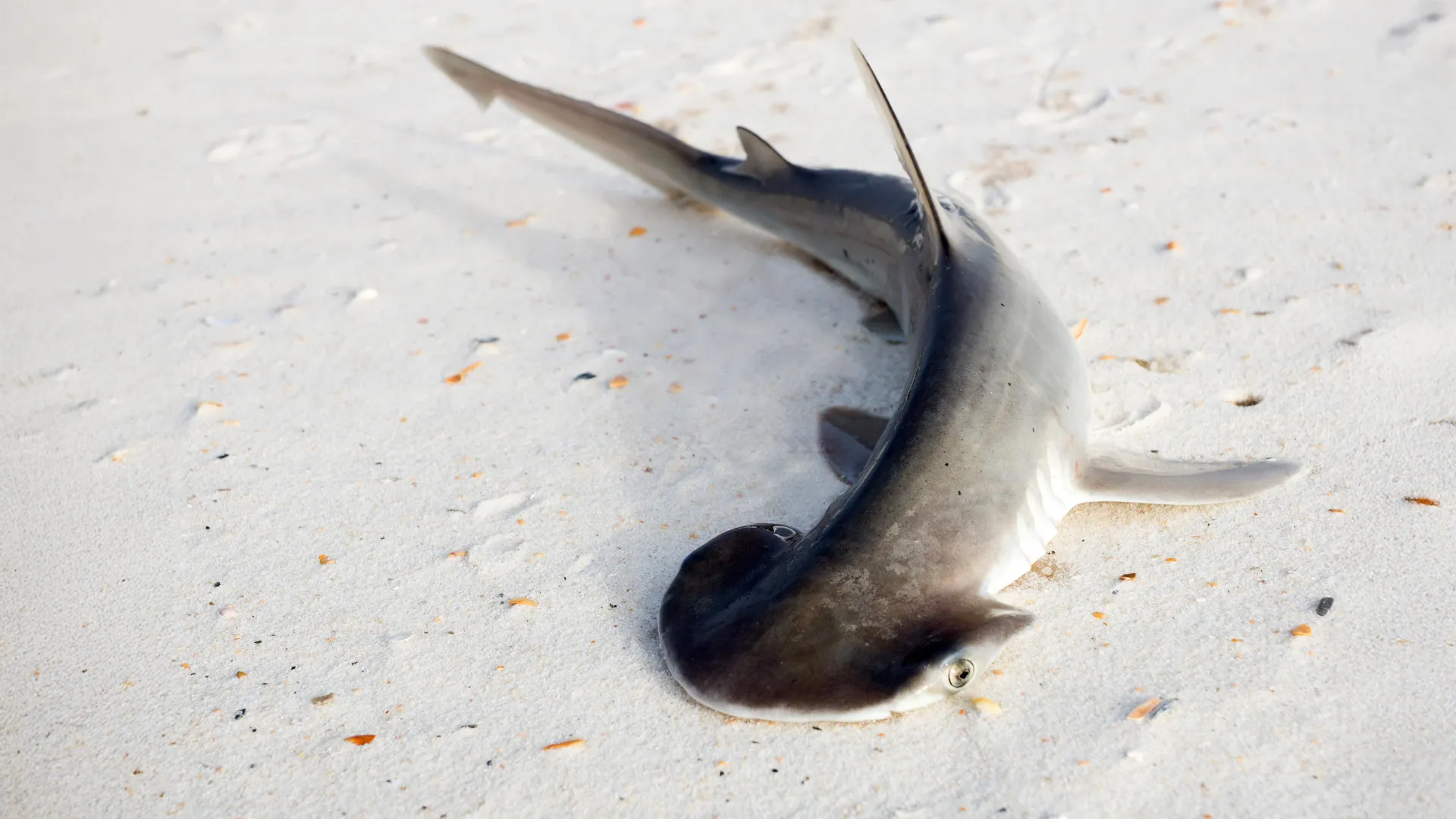
Researchers have upended decades of assumptions about bonnethead shark development, discovering that the species' distinctive head shape follows a different pattern than previously thought. Rather than males developing progressively pointed snouts as they mature, new findings show both sexes start with sharper heads that gradually round out, with females experiencing the most dramatic transformation.
The bonnethead shark, Sphyrna tiburo, belongs to the hammerhead family and carries a head structure that researchers have long studied to understand sexual dimorphism in marine predators. The conventional explanation held that males retained pointed snouts into adulthood while females developed rounder heads, suggesting the pointed shape provided males with some competitive or reproductive advantage. This narrative shaped decades of textbook descriptions and research frameworks.
The research team's reanalysis of skeletal and morphological data revealed a more complex developmental trajectory than the existing model suggested. Young bonnethead sharks of both sexes possess relatively pointed rostral structures, the forward-projecting part of their heads. As these sharks age, their heads undergo ontogenetic changes, a process of shape modification during development. Females show pronounced rounding of this structure, creating the classic wide, shovel-like appearance associated with bonnetheads. Males retain somewhat more pointed features but still undergo significant modification from their juvenile form.
This finding carries implications beyond simple shark anatomy. Sexual dimorphism in sharks often relates to reproductive ecology, feeding behavior, or social hierarchy. If head shape does not develop as previously assumed, researchers must reconsider what selective pressures might drive the differences that do exist between adult males and females. The pointed snout may not provide males with the competitive advantage researchers previously hypothesized.
Bonnethead sharks use their distinctive heads as sensory organs, equipped with specialized electroreceptive ampullae that detect electrical fields generated by prey. The shape of this structure influences the sensory sweep and detection patterns available to each individual. Understanding how this sensory apparatus changes with age and sex could reveal how bonnetheads optimize hunting strategies at different life stages.
The research underscores how biological assumptions, even those documented in peer-reviewed literature, require periodic reexamination with fresh datasets and analytical approaches. Earlier researchers may have worked with limited sample sizes, predominantly adult specimens, or insufficient developmental stages to detect the full arc of head shape change across the lifespan.
This work on bonnethead development also provides a methodological template for reexamining sexual dimorphism in other shark species. Many hammerheads, sawfish, and other cartilaginous fish display head or rostral differences between sexes. If similar ontogenetic patterns operate across these taxa, previous explanations for these differences may need revision.
Future research should examine whether the rounding observed in female bonnetheads confers specific sensory or hydrodynamic advantages during reproductive periods or if it simply represents a byproduct of different growth trajectories between sexes. Genetic and hormonal factors likely control these developmental pathways, presenting another avenue for investigation.