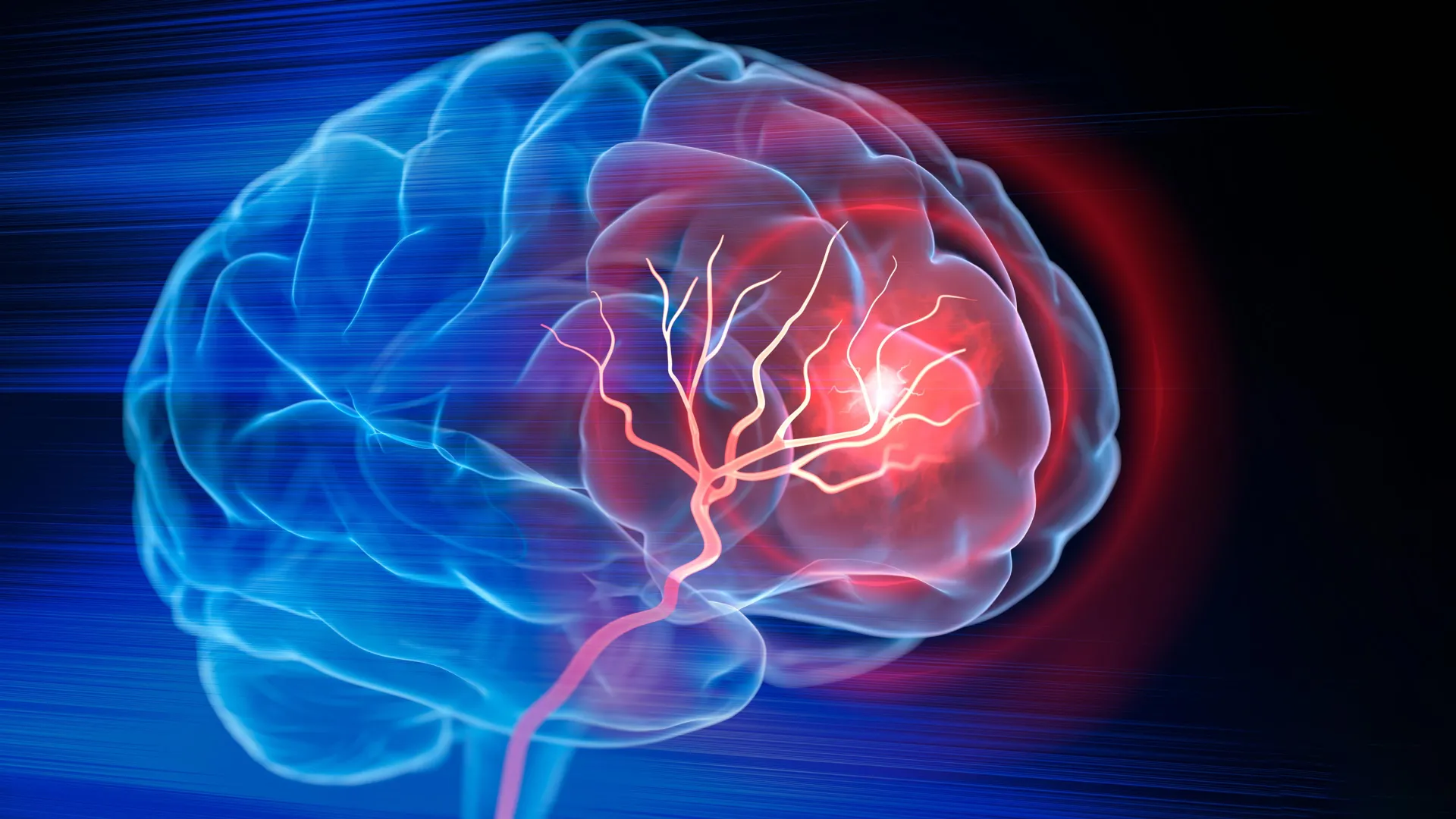
Researchers at Duke University have developed an injectable treatment that restores brain function after stroke by triggering regeneration of damaged tissue. In experiments with mice, the scaffold material prompted the formation of new blood vessels, enabled nerve cells to regrow, and restored motor control.
The injectable scaffold works through a clever biological mechanism. Rather than simply replacing lost tissue, it recruits the body's own immune system to drive healing. Neutrophils, which typically damage tissue during stroke, switched to a beneficial role when exposed to the scaffold's chemistry. This reprogramming of immune cells represents a shift from the traditional view that neutrophils only worsen stroke outcomes.
Stroke kills brain tissue by cutting off blood supply. Within minutes, neurons begin dying. Those that survive face a hostile environment filled with inflammatory cells and scar tissue that blocks regrowth. Most stroke patients retain permanent disability because the adult brain struggles to repair itself. Current treatments focus on restoring blood flow immediately after stroke but offer little help to patients weeks or months later.
The Duke team's approach addresses this regeneration problem directly. Their injectable material creates a scaffolding structure that supports new blood vessel formation and provides pathways for neurons to extend. The scaffold also shifts the immune response from destructive to constructive. Instead of clearing dead tissue and leaving behind scars, recruited neutrophils and other immune cells actively facilitate healing.
The researchers tested the treatment in mice with experimentally induced strokes. Animals that received the injection showed improved motor function compared to controls. Brain imaging confirmed that new blood vessels had formed in the damaged region and nerve fibers had extended into areas previously devoid of connections. The improvements persisted for weeks after treatment.
The mechanism involving immune cell reprogramming opens new therapeutic possibilities. Rather than suppressing the immune response after stroke, which current strategies attempt, this approach harnesses immune activity for repair. Previous research suggested that timing matters for immune interventions in stroke, but the Duke work demonstrates that the right chemical environment can redirect immune cells toward healing even after initial injury phases.
Several questions remain before clinical trials. The mouse studies used injections directly into brain tissue, but human patients would need less invasive delivery methods. Researchers must determine optimal timing for treatment after stroke, whether the therapy works in larger brains, and if benefits translate to permanent recovery versus temporary improvement. Stroke damage varies widely by location and severity, and the scaffold's effectiveness across different injury patterns remains unknown.
The treatment also requires refinement for scalability. Manufacturing injectable scaffolds that maintain consistent properties and remain stable enough for clinical use presents engineering challenges. Patent protection and funding for advancement will shape development speed.
If successful in humans, this approach could transform stroke rehabilitation. Current recovery limits force many patients into permanent disability. An injectable treatment that reactivates the brain's own repair mechanisms weeks after stroke would represent a major advance, offering hope to the 795,000 Americans experiencing stroke annually.
The Duke researchers plan next steps including testing in larger animal models and exploring different scaffold compositions to optimize immune recruitment.