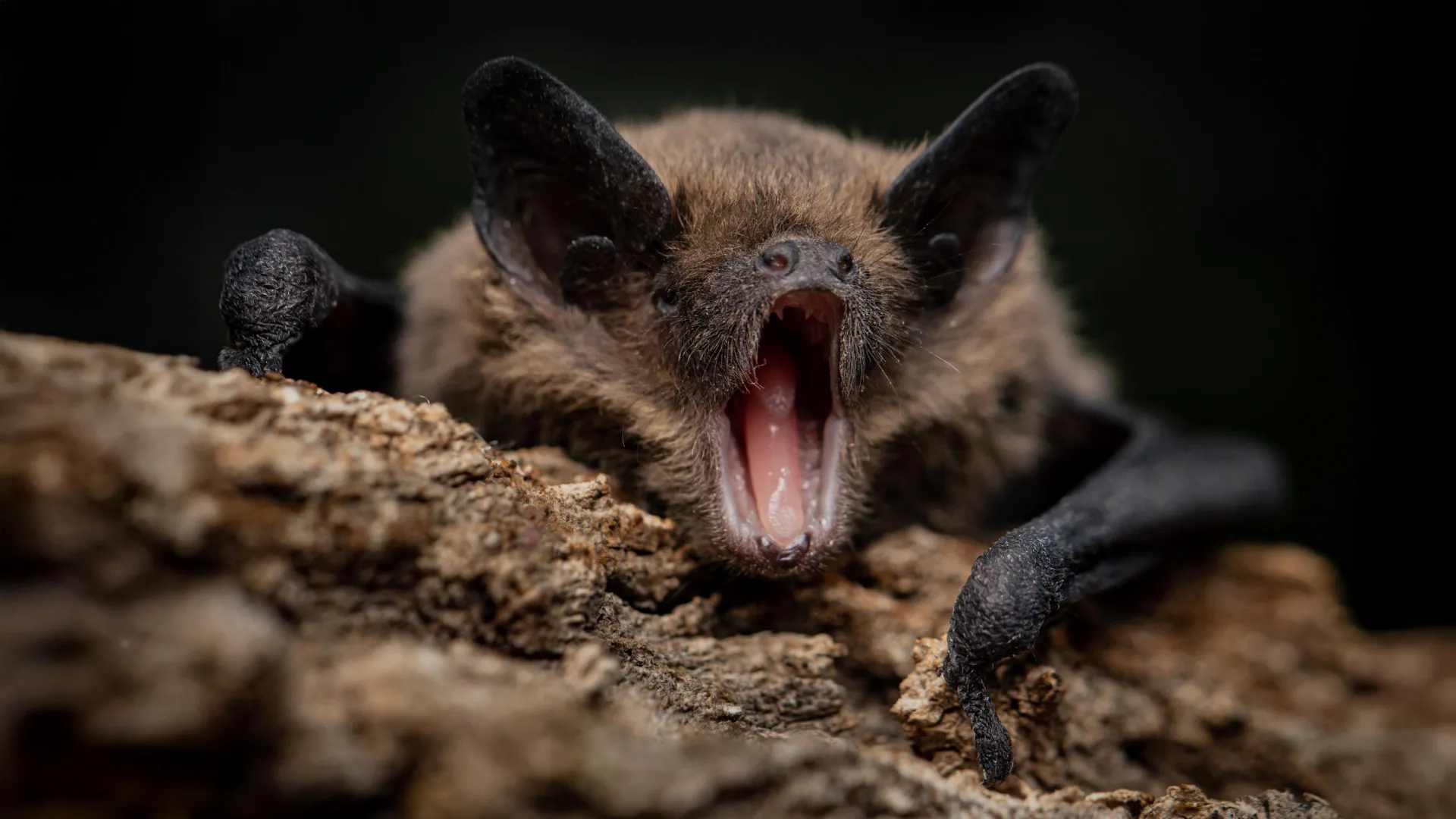
Bats harbor some of the planet's most dangerous viruses. Ebola, SARS-CoV-2, and Nipah virus all originated in bat populations, yet these animals rarely show symptoms of infection. Scientists have long puzzled over this tolerance. New research reveals a peculiar immune architecture that may solve the mystery.
Researchers discovered that over 500 species of vesper bats possess two distinct sets of antibody genes, a genetic arrangement never documented before in any mammal. This finding comes from comparative genomic analysis of bat DNA sequences. The dual antibody system appears to operate independently, essentially giving these bats a redundant immune response mechanism.
Antibodies function as the immune system's soldiers, identifying and neutralizing pathogens. Most mammals, including humans, have one primary set of immunoglobulin genes arranged in specific chromosomal regions. These genes recombine and mutate to generate the diverse antibodies needed to fight different threats. Vesper bats operate differently. Their two separate antibody gene sets can function in parallel, potentially creating broader and faster immune responses.
Vesper bats comprise a family called Vespertilionidae, representing roughly one-quarter of all bat species globally. They inhabit every continent except Antarctica. This widespread group includes the little brown bat, the common vampire bat, and numerous insect-hunting species that roost in caves, trees, and human structures.
The mechanism suggests a plausible explanation for bat viral tolerance. With two antibody systems, bats might mount faster immune responses that control viral replication before serious tissue damage occurs. They could generate more diverse antibodies against evolving pathogens. The redundancy might also allow one system to rest while the other handles infection, reducing metabolic stress.
This discovery connects to broader bat biology. Bats possess elevated metabolic rates due to flight, generating substantial internal heat and oxidative stress. Their immune systems evolved under pressure to balance aggressive pathogen control with survival in this high-stress state. The dual antibody system fits this evolutionary narrative, representing an elegant solution to competing biological demands.
Understanding bat immunity carries practical implications for human health. Zoonotic viruses jumping from bats to humans cause recurring pandemics. A deeper grasp of bat immune tolerance could inform vaccine development or antiviral therapies. It might reveal how to strengthen human immune responses against dangerous pathogens without triggering the inflammation that causes severe disease.
The research does have limitations. Scientists based findings primarily on genetic sequences and comparative analysis. Direct functional studies remain necessary to confirm how these two antibody systems interact during actual viral infections. Laboratory experiments measuring antibody production and viral control in infected bats would strengthen conclusions.
The work also raises questions. Do all vesper bat species exhibit this trait equally? Does the dual system contribute equally to all virus tolerance or do other factors play major roles? How recently did this arrangement evolve, and what selective pressures drove its emergence?
This immune architecture represents a remarkable adaptation refined over millions of years of evolution. As humans face recurring spillover of bat viruses, this fundamental understanding of bat biology becomes increasingly relevant to pandemic preparedness and emerging disease research.