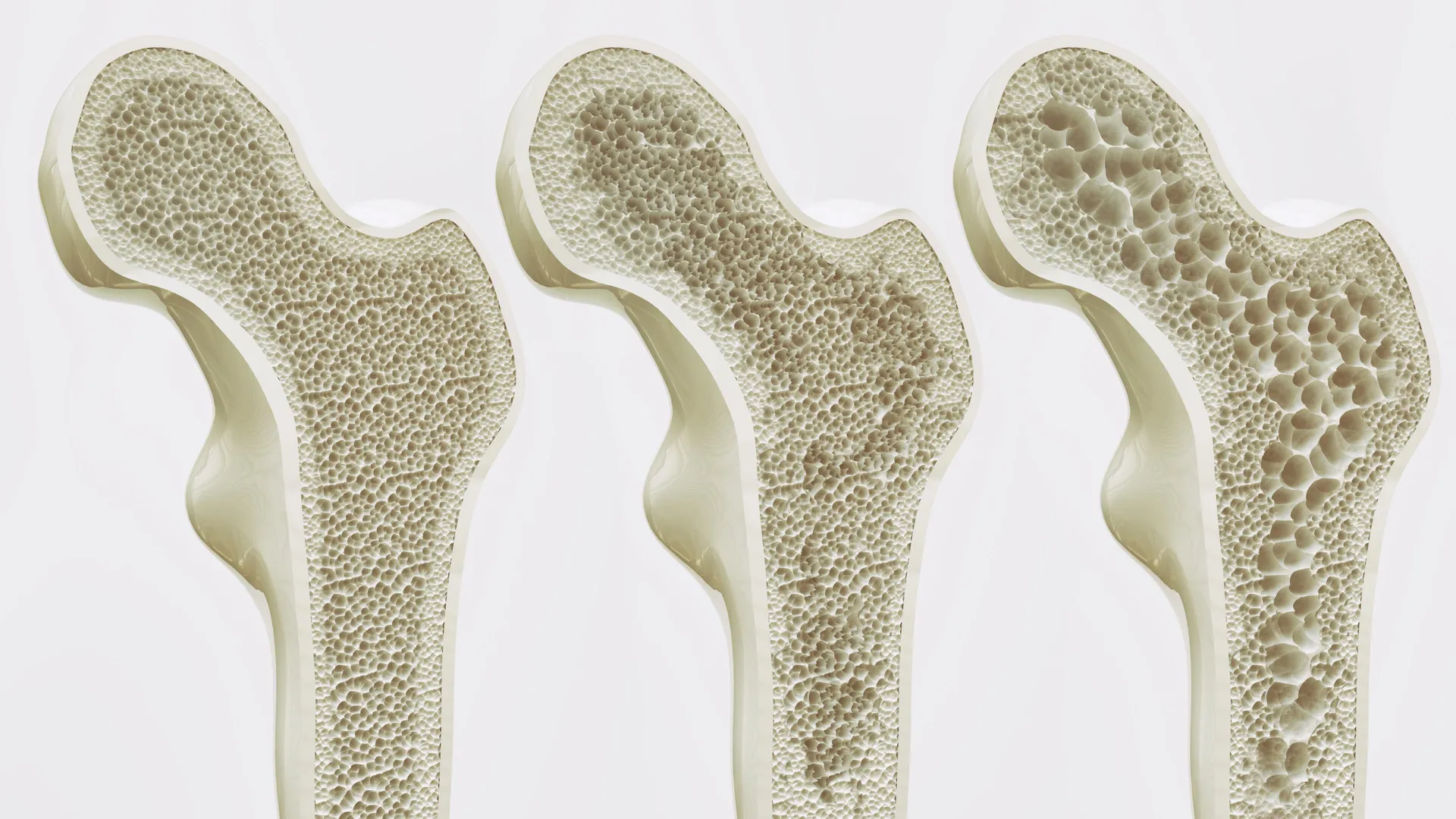
Researchers tracking nearly 10,000 older women over a decade found a link between heavy coffee consumption and reduced bone density, while tea drinkers showed modest skeletal benefits.
The study examined bone health in relation to beverage habits, focusing on hip bone density as a key marker. Women who drank more than five cups of coffee daily exhibited lower bone density compared to moderate consumers. The threshold matters: moderate coffee intake showed no harmful association with bone strength. Tea drinkers, by contrast, demonstrated slightly elevated hip bone density, suggesting a protective effect.
Bone density declines with age, particularly in postmenopausal women, who face higher fracture risk. Hip fractures carry serious consequences for older adults, often requiring surgery and rehabilitation. Understanding dietary factors that influence bone health therefore has direct clinical relevance.
The caffeine content likely plays a role in coffee's effect. Caffeine increases urinary calcium excretion, meaning the body loses more of this mineral essential for bone formation and maintenance. Tea contains caffeine too, but at lower concentrations than coffee. Tea also provides polyphenols and other compounds with antioxidant properties that may protect bone-forming cells. The cumulative effect of regular tea consumption apparently outweighs any calcium-leaching effect from its modest caffeine load.
The research carries important caveats. Observational studies like this establish associations but cannot prove causation. Women drinking five-plus cups of coffee daily may differ in other health habits, diet quality, exercise levels, or vitamin D intake. These unmeasured factors could explain the bone density difference. The study also looked exclusively at older women, limiting generalizability to younger populations or men.
Moderate coffee consumption defined as five cups or fewer daily showed no bone health detriment, a reassuring finding for coffee drinkers. This distinction matters because public health guidance should avoid unnecessarily alarming the majority of coffee consumers. The bone density reduction associated with heavy consumption appeared modest in absolute terms, though clinically relevant for fracture risk calculation.
The mechanisms linking tea to better bone health warrant further investigation. Researchers should test whether specific tea varieties, brewing methods, or duration of consumption matter. Understanding which tea compounds drive the benefit could lead to targeted interventions for populations at high fracture risk.
For postmenopausal women concerned about osteoporosis, these findings suggest that substituting some coffee with tea might offer a small protective benefit. However, bone health depends on multiple factors including calcium and vitamin D intake, weight-bearing exercise, and hormone status. No single beverage choice determines bone strength.
The 10-year follow-up duration provides reasonable confidence in the findings, as bone loss occurs gradually. Longer studies might reveal whether the associations persist or strengthen. Future research should include diverse age groups and both sexes to determine whether caffeine's skeletal effects vary by population.
This work adds to growing evidence that everyday dietary choices influence long-term health outcomes in ways both subtle and measurable.