# High Blood Sugar Creates Cancer's Invisibility Cloak
Cancer cells exploit elevated glucose levels to construct a protective sugar-coated barrier that shields them from immune detection, according to new research into the metabolic mechanisms that allow tumors to evade the body's defenses.
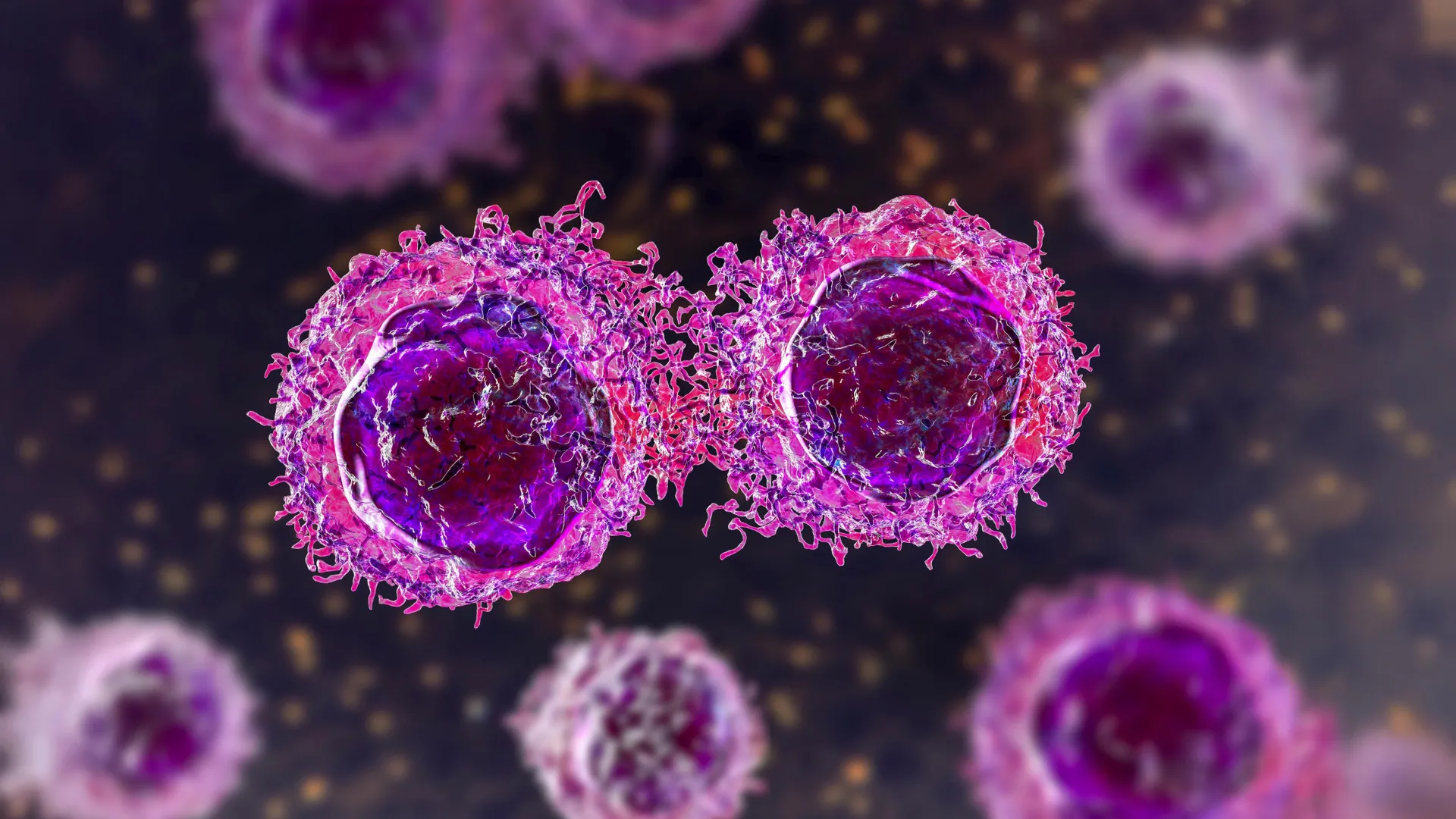
Scientists identified that under high blood sugar conditions resembling the tumor microenvironment, cancer cells thicken their outer glycan coating, a carbohydrate-rich layer that essentially masks them from immune recognition. The protein HSF1 (Heat Shock Factor 1) acts as the molecular orchestrator of this camouflage process, activating genes that synthesize and deposit these protective sugars.
This discovery bridges two previously separate areas of cancer biology. Metabolic abnormalities and immune evasion have long been studied independently, but this work demonstrates how elevated glucose directly fuels the cell surface modifications that allow tumors to hide. The finding explains part of why poorly controlled blood sugar may worsen cancer outcomes.
The research team conducted experiments under conditions mimicking the hypoxic, nutrient-rich interior of solid tumors. When they exposed cancer cells to high glucose levels, HSF1 activation increased substantially. The cells responded by building thicker glycan coats, which reduced their visibility to T cells and other immune components. This process appears distinct from traditional immune checkpoint mechanisms like PD-L1, offering a parallel evasion pathway.
HSF1's role proves critical. When researchers inhibited this protein, even with high glucose present, cancer cells could not adequately reinforce their protective coating. This vulnerability presents a therapeutic angle: blocking HSF1 activity might render cancer cells more recognizable to immune systems, potentially restoring responsiveness to immunotherapy.
The implications extend beyond basic biology. Patients with diabetes or metabolic syndrome, who experience chronically elevated blood glucose, may face compounded cancer risks. Their higher glucose levels could actively assist tumor cells in constructing these defensive shields. Conversely, better glucose management might theoretically reduce this specific immune evasion mechanism, though human clinical evidence remains absent at this stage.
The research also suggests why certain cancers prove more aggressive in metabolically unhealthy patients. The tumor microenvironment already supports cancer survival through multiple mechanisms, including immunosuppressive cell infiltration and nutrient depletion of surrounding healthy cells. Adding systemic hyperglycemia provides tumors with an additional advantage: enhanced self-masking capability.
Current cancer immunotherapies rely heavily on making tumor cells visible to T cells and natural killer cells. Adding HSF1 inhibition to existing immune checkpoint inhibitors could potentially improve patient outcomes by attacking this glycan-based concealment strategy. However, HSF1 also plays protective roles in normal cells during stress, so any therapeutic approach would require careful safety evaluation.
The work opens multiple research directions. Scientists must now determine whether this mechanism operates across different cancer types, which tumors depend most heavily on HSF1-mediated glycan synthesis, and whether combination therapies targeting both immune checkpoints and metabolic camouflage prove superior to single approaches. Clinical trials testing HSF1 inhibitors alongside standard immunotherapies represent the logical next step.