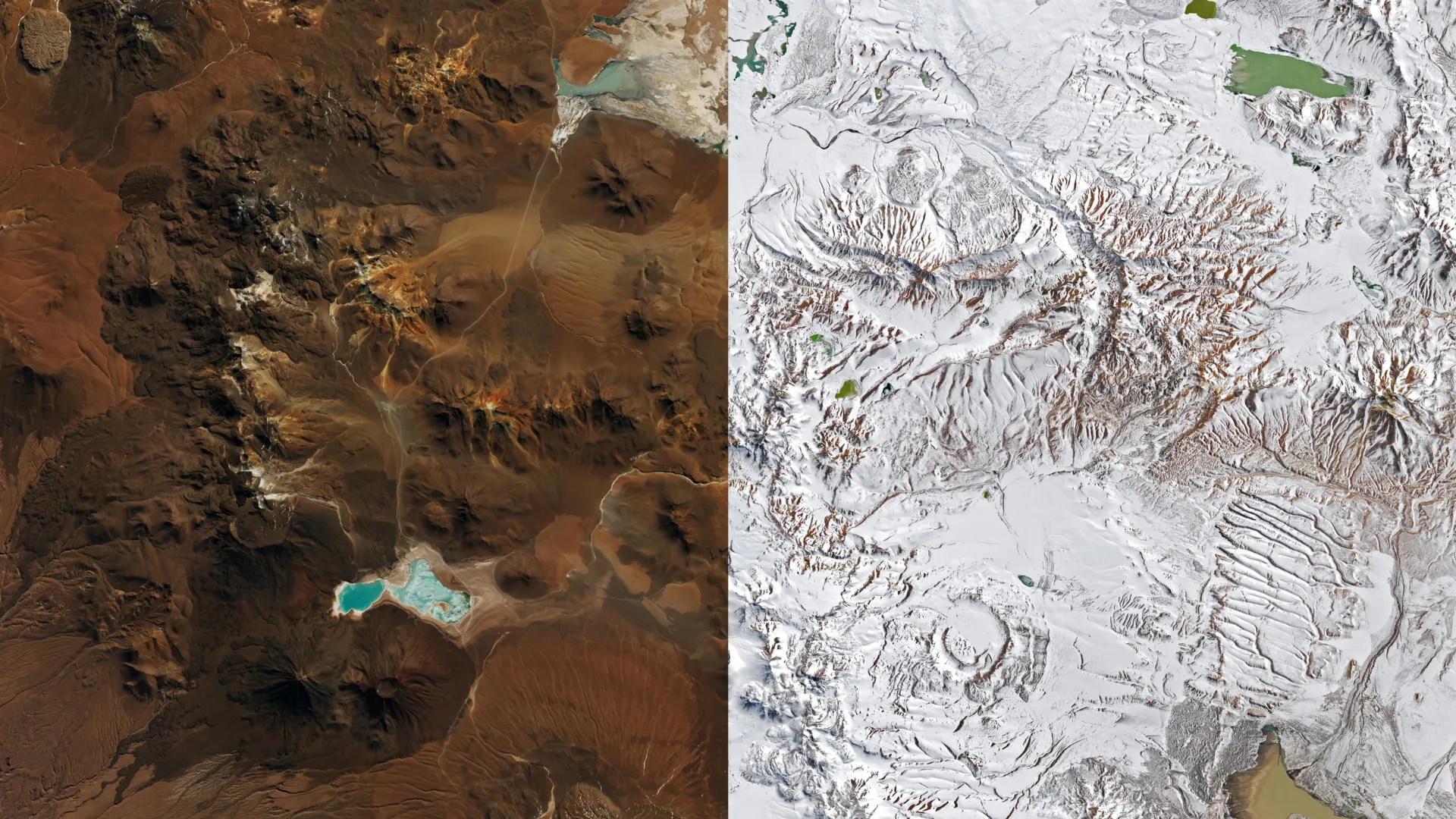
# Unprecedented Snow and Floods Strike Earth's Driest Desert
The Atacama Desert in Chile experienced a meteorological anomaly this week when rare storms blanketed vast stretches of the hyperarid landscape in snow and unleashed torrential rainfall on a region that normally receives minimal precipitation. The extreme weather event forced temporary closures at major astronomical observatories perched on the desert's high plateaus and triggered dangerous flooding and mudslide activity across communities throughout the area.
The Atacama holds the distinction of being one of Earth's driest places. Some weather stations in the region have recorded years without measurable rainfall. The desert's extreme aridity makes it valuable for astronomical research. High-altitude observatories there, including facilities operated by international consortiums, benefit from the clear, dry skies and minimal atmospheric interference. The recent storms disrupted operations at these installations, representing a rare interruption to ongoing research programs.
The precipitation recorded during the event was extraordinary by Atacama standards. While exact rainfall totals from the affected areas remain preliminary, the deluge caused significant damage. Flash flooding swept through communities nestled in normally dry valleys and arroyos that serve as drainage channels for seasonal runoff. Mudslides, triggered by the combination of heavy rain and snow melt on steep slopes, threatened infrastructure and required emergency response from local authorities.
Scientists attribute the unusual weather pattern to the strengthening El Niño phenomenon. El Niño represents a warming of ocean waters in the tropical Pacific, which redistributes atmospheric circulation patterns globally and alters precipitation patterns thousands of miles away. During strong El Niño conditions, the subtropical ridge that normally protects the Atacama from moisture-laden air masses can weaken, allowing tropical and subtropical storms to penetrate regions that typically remain bone-dry.
The climate connection underscores how far-reaching the impacts of ocean temperature oscillations can extend. El Niño events occur irregularly but predictably enough to be monitored and forecasted by meteorological agencies. The current strengthening episode, detected by the National Oceanic and Atmospheric Administration and international climate monitoring centers, was expected to bring wetter than normal conditions to parts of South America.
The contrast between the Atacama's normal conditions and this week's deluge illustrates both the region's vulnerability to rare precipitation events and its ecological fragility. Ecosystems across the desert have adapted to extreme aridity over thousands of years. Sudden heavy rainfall can overwhelm drainage systems and disrupt the delicate balance of life in these harsh environments.
For the astronomical community, the temporary observatory closures represent a minor inconvenience relative to the dangers posed to residents below. However, the event demonstrates how climate variability can impact even the most carefully selected research locations. Astronomers and facility managers will likely review emergency protocols and assess whether infrastructure upgrades are needed to handle future precipitation extremes in this nominally dry region.