# Mindfulness Training Shows Promise for Blood Pressure Reduction in Eight Weeks
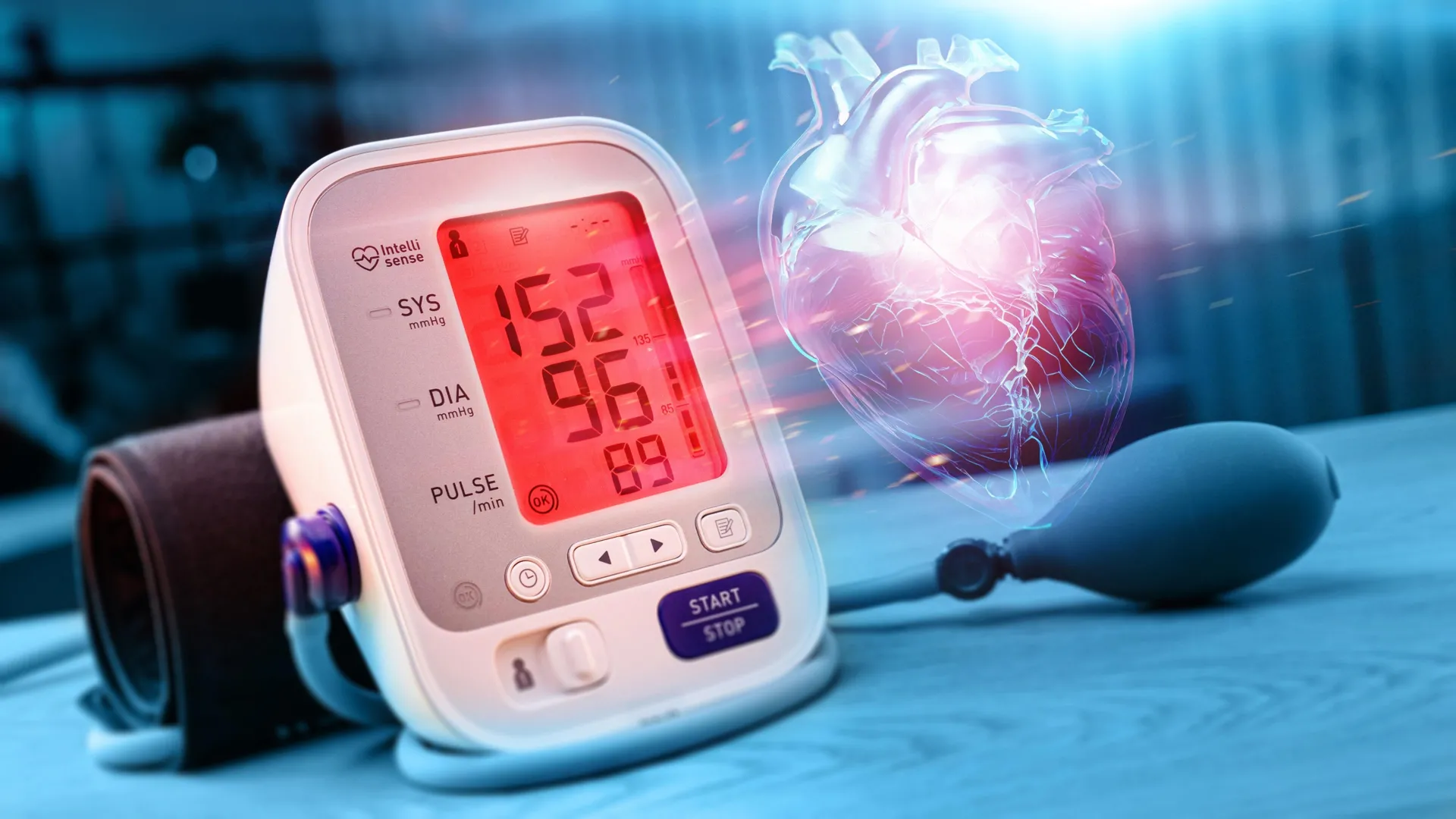
A new analysis reveals that mindfulness, gratitude, and optimism training can measurably improve blood pressure and inflammation markers within eight to twelve weeks. The findings suggest psychological interventions deserve a place alongside traditional cardiovascular treatments.
Researchers examining existing studies found that programs combining daily practice with regular reinforcement delivered the strongest results. This dual-approach model appears more effective than sporadic or one-off interventions, indicating that consistency matters more than intensity for heart health gains.
The research highlights a growing recognition in medicine that mental state and cardiovascular function remain deeply intertwined. Chronic stress and negative emotional states activate the sympathetic nervous system, raising heart rate and blood pressure over time. By contrast, mindfulness practices activate the parasympathetic nervous system, triggering the body's "rest and digest" response. This physiological shift can reduce inflammation, lower cortisol levels, and improve arterial function.
The timeline matters. Eight to twelve weeks represents a meaningful window for intervention. Traditional blood pressure medications often require weeks to reach full effectiveness, yet this study found comparable improvements through behavioral training alone. For patients with mild hypertension or those seeking to reduce medication dependence, mindfulness training offers a low-risk first step.
Gratitude and optimism training work through complementary mechanisms. Gratitude practice reduces rumination and worry, both known stressors that elevate blood pressure. Optimism strengthens emotional resilience and reduces anxiety, further lowering cardiovascular strain. When combined with mindfulness's direct neurological effects, these three approaches create overlapping pathways to improved heart health.
The emphasis on daily practice with regular reinforcement signals an important caveat. One-time meditation workshops or sporadic gratitude exercises show minimal benefit. Instead, effective programs require consistent engagement. Participants in stronger studies typically practiced 10 to 20 minutes daily, supplemented by weekly group sessions or check-ins that reinforced commitment.
This approach carries advantages over pharmaceutical intervention. Mindfulness training produces no adverse drug interactions, costs little to implement, and provides collateral mental health benefits including reduced anxiety and depression. The skills remain permanently available to practitioners, offering lasting protection rather than temporary symptom management.
Limitations exist. The analysis examined observational studies and small randomized trials, not large-scale clinical trials comparing mindfulness directly to standard antihypertensive drugs. Blood pressure improvements, while real, typically range from 3 to 5 millimeters of mercury systolic reduction. This magnitude helps but does not replace medication for moderate or severe hypertension.
Individual response varies substantially. Some participants show dramatic improvements while others show minimal change, suggesting genetic or baseline psychological factors influence outcomes. The mechanism remains incompletely understood, limiting ability to predict who will benefit most.
Integration into clinical practice remains early. Most cardiologists do not routinely prescribe mindfulness training, though adoption is accelerating. Health systems increasingly offer mindfulness programs, though insurance coverage remains sporadic. As evidence accumulates, cardiovascular departments may eventually screen patients for psychological readiness and recommend combined approaches pairing medication with behavioral training when appropriate.
The research positions psychological well-being as quantifiable and actionable, transforming abstract concepts like "stress reduction" into concrete health metrics. For millions managing blood pressure, consistent mindfulness practice might become as routine as taking a pill.