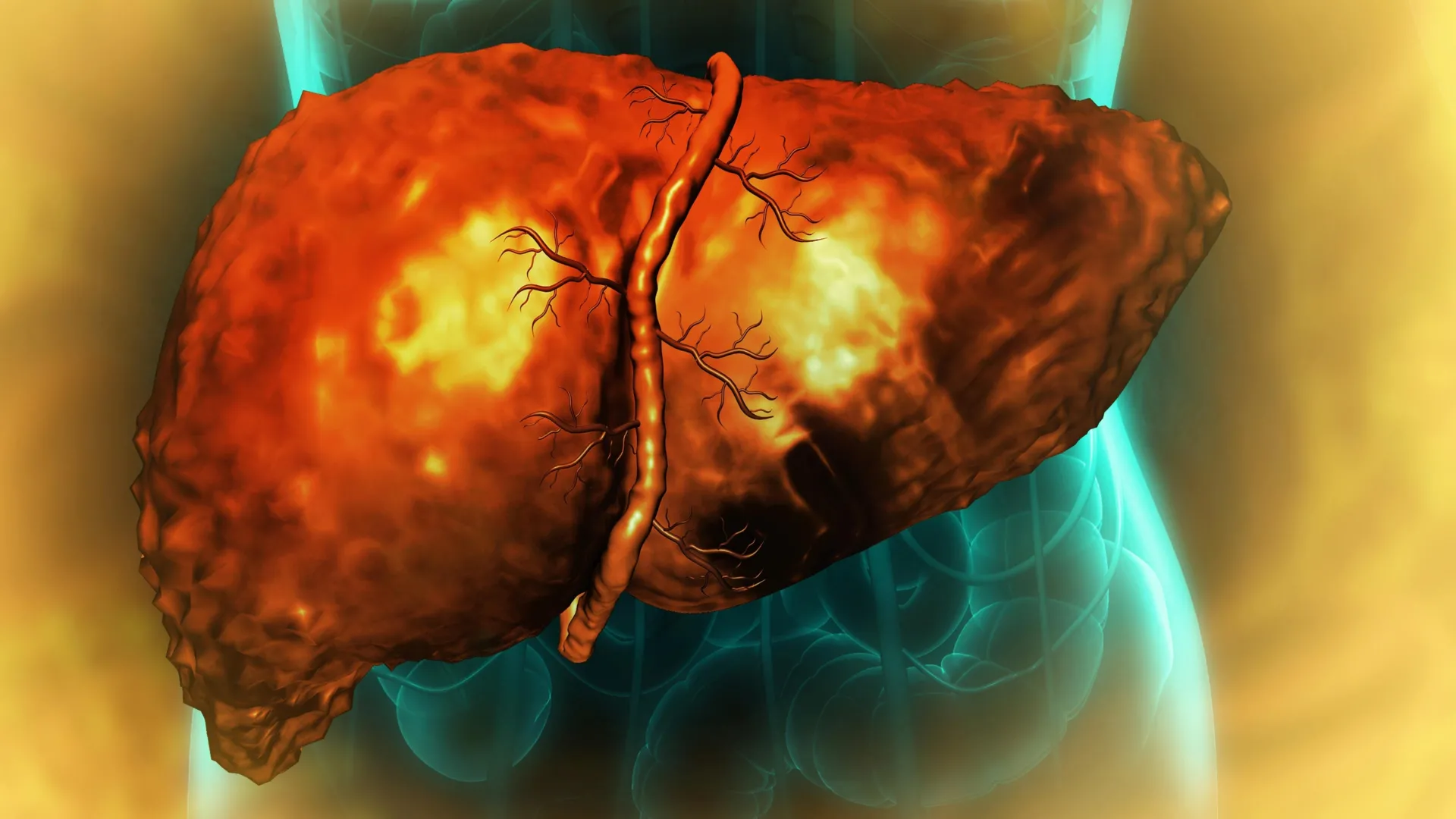
# Scientists Discover Why Liver Fails to Heal After Alcohol Damage
Researchers have identified a molecular trap that prevents liver regeneration even after patients stop drinking alcohol. The discovery centers on how alcohol damage causes liver cells to become stuck in a damaged state, unable to complete their normal repair process.
A team of scientists studied how alcohol-related liver disease interferes with cellular regeneration. They found that persistent inflammation drives errors in RNA processing, the cell's mechanism for converting genetic instructions into proteins. These RNA mistakes accumulate in damaged liver cells, locking them in a state researchers call "regenerative limbo." The cells cannot progress through their normal cycle of death and replacement.
The finding explains a clinical puzzle: many patients with alcohol-related liver disease show limited improvement in liver function after quitting drinking, even when abstinence persists for months or years. Standard measures of liver health may remain depressed because the organ cannot rebuild its cellular infrastructure.
"The liver is normally a highly regenerative organ," the researchers noted in their work. Healthy livers can replace damaged cells within weeks. Alcohol damages this process by triggering chronic inflammation, which generates reactive oxygen species and disrupts the cell's ability to manage its genetic material properly. The inflammation doesn't simply kill cells. It traps them in dysfunction.
The team identified a specific pathway involved in this RNA processing dysfunction. This discovery opens possibilities for therapeutic intervention. By targeting the pathway responsible for the RNA errors, researchers believe they could potentially restore the liver's regenerative capacity in patients who have already stopped drinking.
This research addresses a gap in treatment options. Current approaches focus on preventing further damage through abstinence and managing complications of advanced cirrhosis. No existing therapy actively restores liver function after alcohol damage has occurred. If the identified pathway proves druggable in human trials, it could fundamentally change outcomes for this patient population.
The work appears timely given the scale of alcohol-related liver disease globally. The World Health Organization reports that harmful alcohol use kills approximately 3 million people annually. Many survivors of heavy drinking develop progressive liver damage that persists despite years of sobriety.
Limitations exist in translating these findings to clinical practice. The research was conducted in cellular and animal models. Human trials must verify whether targeting this pathway produces safe and effective results without harming normal liver function. The timing and duration of such intervention remains unknown. Researchers must also determine whether the benefits apply to all stages of alcohol-related liver disease or only early-stage damage.
The next phase involves screening compounds against the identified pathway. Researchers will test whether blocking the inflammation-driven RNA errors allows trapped cells to resume their normal regeneration cycle. If successful, combination therapy pairing pathway inhibition with continued abstinence could represent a new treatment class for this otherwise difficult-to-treat condition.