# Zero-Calorie Sweeteners May Alter Gut Health Across Multiple Generations, Study Finds
New research reveals that two common artificial sweeteners used in thousands of food and beverage products may produce metabolic changes that persist across generations, even in offspring that never consumed the sweeteners directly.
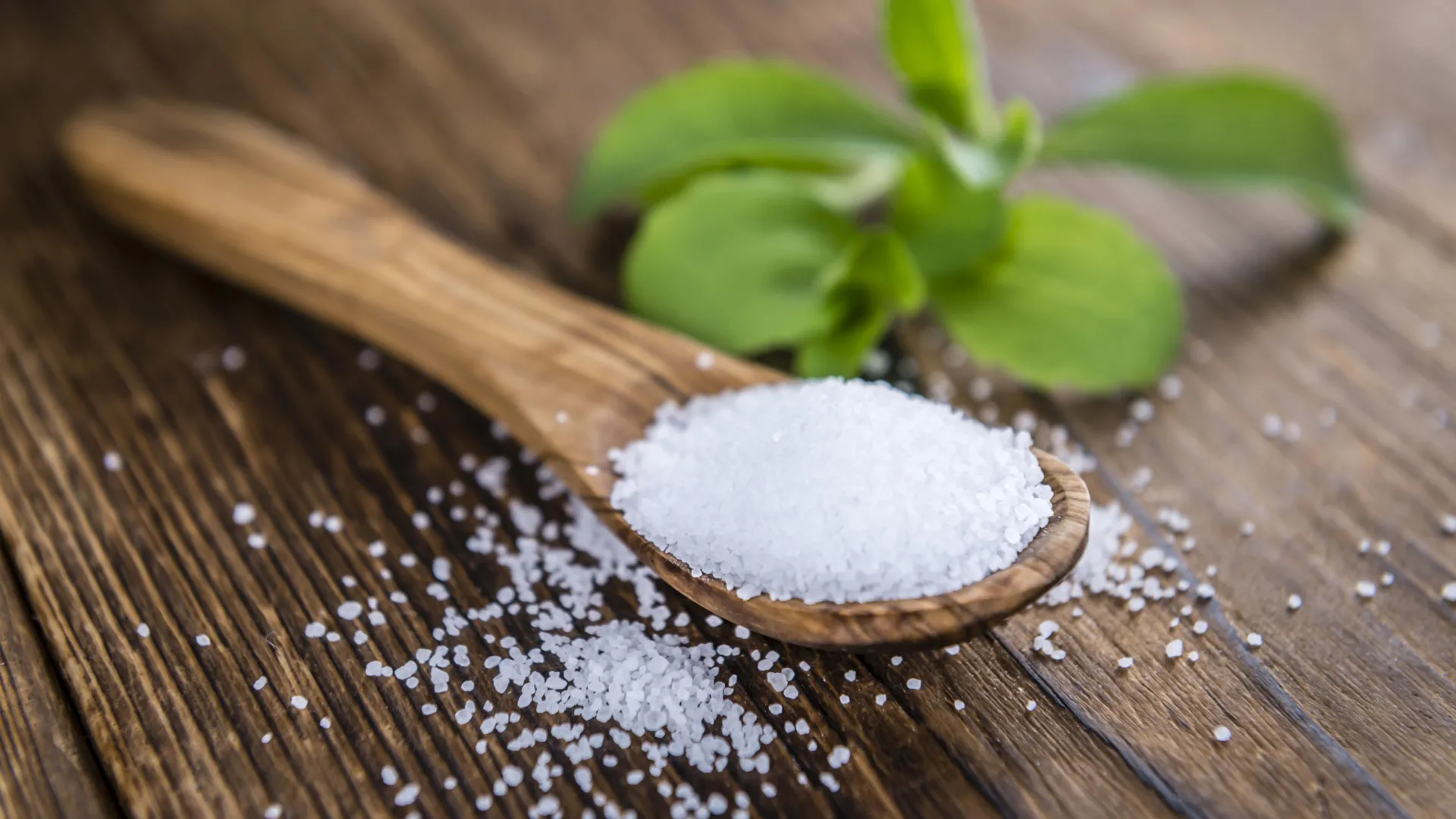
A team of researchers studying sucralose and stevia, both zero-calorie sweeteners found in diet sodas, sugar-free candies, and numerous processed foods, discovered that these compounds alter gut bacteria composition and reduce the production of beneficial metabolites produced by those microorganisms. The changes extended beyond individual mice exposed to the sweeteners, affecting the metabolism and inflammatory responses of their descendants.
The study examined how sucralose and stevia modified the gut microbiome in laboratory mice. Researchers observed shifts in bacterial populations following sweetener exposure. More concerning, they detected reductions in short-chain fatty acids and other compounds that healthy gut bacteria normally manufacture. These metabolites play protective roles in maintaining intestinal barrier function and regulating immune responses.
Gene expression analysis revealed altered activity in genes controlling metabolism and inflammation within the exposed animals. When researchers examined subsequent generations of mice that had never directly consumed these sweeteners, they detected comparable changes in their microbiomes and metabolic processes. This transgenerational effect suggests that early-life exposure to these compounds creates lasting alterations to the microbial community that get passed along through reproduction.
The findings raise questions about the long-term safety profile of sweeteners already approved for human consumption by regulatory agencies. Sucralose and stevia appear in products marketed as healthier alternatives to sugar, particularly for people managing weight or diabetes. However, accumulating research suggests these substances may not be metabolically inert, contrary to earlier assumptions.
The research builds on previous studies documenting links between artificial sweeteners and metabolic dysfunction, glucose intolerance, and altered microbial communities in both animals and humans. A 2022 meta-analysis published in Cell found that sucralose and saccharin could impair glucose metabolism in some individuals. Other investigations have connected sweetener consumption to shifts in microbial diversity and abundance.
The transgenerational aspect of these findings presents a novel concern. Epigenetic changes, where gene expression alters without changes to underlying DNA sequences, can pass between generations through multiple mechanisms. If sweetener-induced microbiome alterations generate heritable epigenetic modifications, the health implications could extend far beyond individual consumers.
The research does have limitations. Mouse studies do not always translate directly to human physiology. The doses used in laboratory experiments sometimes exceed typical human consumption patterns. Additionally, individual responses to sweeteners vary considerably based on genetics, existing microbiome composition, and dietary patterns.
Regulatory agencies like the FDA have set acceptable daily intake limits for both sucralose and stevia. However, the new findings suggest these thresholds focused on acute toxicity rather than subtle, long-term metabolic effects. The work adds to growing evidence that the microbiome serves as a critical mediator between diet and human health, with consequences that may extend across generations.
Researchers recommend further investigation in human populations to determine whether these animal model findings apply to people consuming sweetened products regularly. In the interim, the work underscores the value of understanding how widely consumed food additives interact with the complex ecosystem of organisms living in our digestive systems.