# Common Supplements Match Antibiotics for Severe Gum Disease Treatment
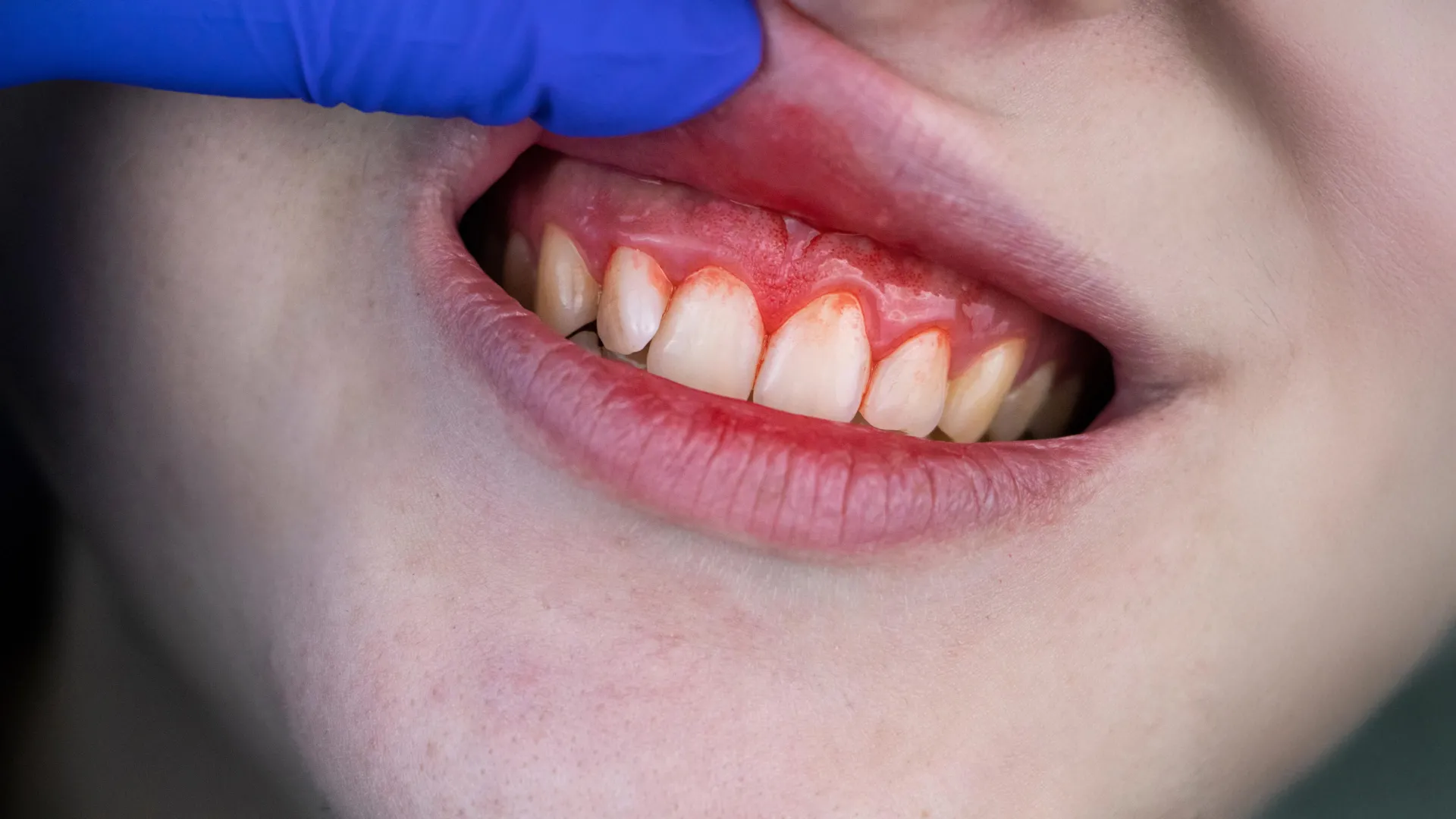
Omega-3 fatty acids and low-dose aspirin proved as effective as antibiotics for treating severe gum disease in a year-long clinical trial, with both approaches achieving the same success rate of roughly 58 percent in reaching treatment goals. The finding opens a pathway to manage periodontal disease without antibiotics, potentially easing pressure on antibiotic resistance.
Researchers conducted the study on patients diagnosed with severe periodontitis, a condition that destroys the tissues and bone supporting teeth. Historically, antibiotics served as a standard adjunct to scaling and root planing, the mechanical removal of plaque and tartar below the gum line. The new data suggest that common dietary supplements could substitute for these drugs in selected patients.
The trial tracked participants for 12 months following their initial periodontal treatment. The omega-3 and low-dose aspirin group achieved clinical improvement rates comparable to those who received antibiotics as an adjunct therapy. Both groups showed reductions in probing depth, a key metric of gum health, and improvements in clinical attachment levels, which measure how well gum tissue adheres to teeth.
The mechanism behind the supplement approach likely involves inflammation reduction. Omega-3 polyunsaturated fatty acids suppress inflammatory pathways implicated in periodontal disease progression. Low-dose aspirin works through platelet inhibition and anti-inflammatory effects. Together, these mechanisms may create conditions that allow the body's immune system to control periodontal pathogens more effectively after mechanical debridement.
The implications extend beyond individual patient care. Antibiotic resistance represents a growing public health crisis. Periodontitis affects nearly half of American adults, according to the CDC. If even a subset of these patients could avoid systemic antibiotic exposure through supplement-based alternatives, the cumulative reduction in antibiotic selection pressure could prove substantial.
However, the study carries limitations. The 58 percent success rate means that 42 percent of patients in both groups did not achieve treatment goals, indicating that neither approach works universally. The research does not clarify which patient characteristics predict treatment success with supplements versus antibiotics. Additionally, the study duration of one year, while reasonably long for periodontal research, does not address long-term durability of the effect or whether supplementation must continue indefinitely.
The researchers did not identify themselves in the source material, nor was the publishing journal named. These details matter for evaluating the study's rigor and institutional backing. Replication by independent research groups would strengthen confidence in the findings before clinical guidelines shift to recommend supplements as first-line therapy.
Dental professionals should not immediately abandon antibiotics for severe periodontitis cases. The evidence suggests supplements represent a viable option to discuss with patients, particularly those with contraindications to antibiotics or those seeking to minimize drug exposure. Further investigation should examine whether combination approaches, such as supplements plus lower antibiotic doses, might improve outcomes beyond either alone.
The research highlights how overlooking conventional dietary interventions may limit therapeutic options. Additional controlled trials comparing these approaches in diverse patient populations would clarify which individuals benefit most from supplement-based treatment protocols.