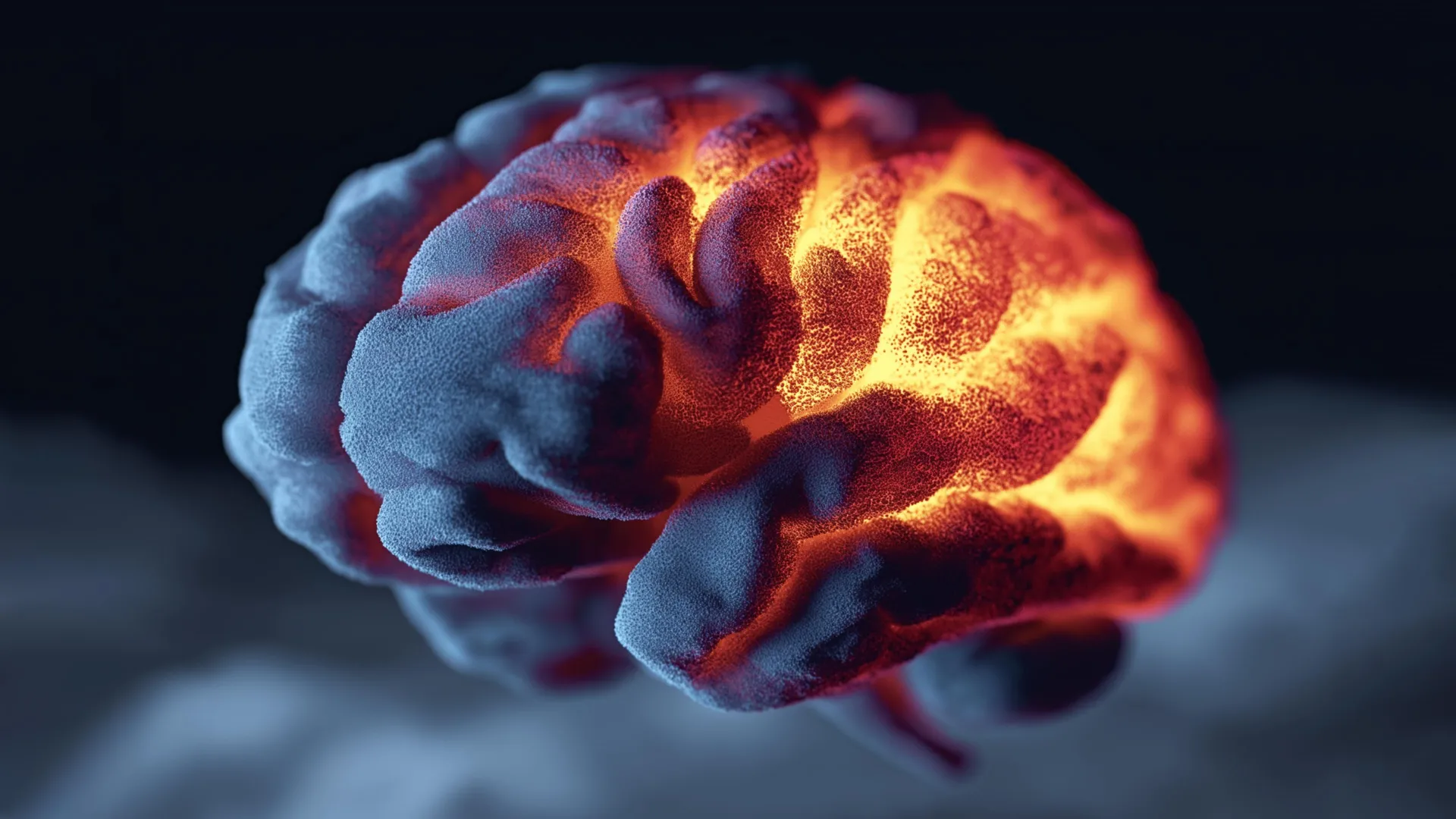
# Scientists Discover Brain "Brake" That Blocks Chronic Pain in Mice
Researchers have identified a neural mechanism that acts as a biological brake on chronic pain signals, offering a new avenue for treating nerve pain without relying on opioids. The discovery centers on how the brain can suppress an overactive pain circuit, potentially paving the way for more targeted pain management therapies.
The study reveals that specific brain regions contain a natural "off switch" for chronic pain. When this system activates, it dampens signals from nerves that have become hypersensitive due to injury or disease. Unlike opioid-based treatments that affect pain receptors throughout the entire body, this brain-based mechanism operates locally within pain-processing circuits, which could reduce unwanted side effects.
Chronic pain afflicts roughly 100 million Americans and costs the healthcare system an estimated $635 billion annually in medical expenses and lost productivity. Current treatments often rely on opioid medications, which carry risks of addiction, overdose, and tolerance development. Alternative approaches like physical therapy and non-opioid medications help some patients but leave others with inadequate relief. This discovery addresses that gap.
The research involved animal models, typically mice, where scientists induced chronic pain through nerve injury or inflammation. They then mapped which brain regions showed activity when pain diminished. The researchers identified a neural circuit that, when activated, successfully suppressed pain signals traveling from the peripheral nervous system to the brain's pain-processing centers.
The team plans to investigate whether artificially activating this brake mechanism through stimulation or pharmacological intervention could provide clinical benefit. Such work could eventually inform new drug designs or neuromodulation therapies that target these specific brain pathways rather than flooding the entire body with pain-relieving compounds.
However, significant obstacles remain between rodent research and human application. Animal studies do not always translate to human efficacy or safety. The complexity of human pain perception involves psychological, social, and emotional factors absent in laboratory settings. Additionally, the brain's pain-control systems show considerable variation between individuals, which could limit how universally effective any single intervention becomes.
Researchers acknowledge that this brake system involves intricate interactions between multiple brain regions and neurotransmitters. Understanding precisely which molecular players activate the brake, and how they interact, requires further investigation. The work also raises questions about why this system fails in chronic pain patients, whether due to injury, disease, or developmental factors.
The implications extend beyond pain management. Understanding how the brain naturally suppresses pain signals could inform treatment of conditions involving abnormal pain processing, such as fibromyalgia or complex regional pain syndrome. It might also improve outcomes for patients with treatment-resistant pain who have exhausted conventional options.
The research represents a shift toward understanding pain not merely as a sensory signal but as a process the brain actively regulates. This perspective opens possibilities for interventions that work with the brain's natural pain-control mechanisms rather than against them.