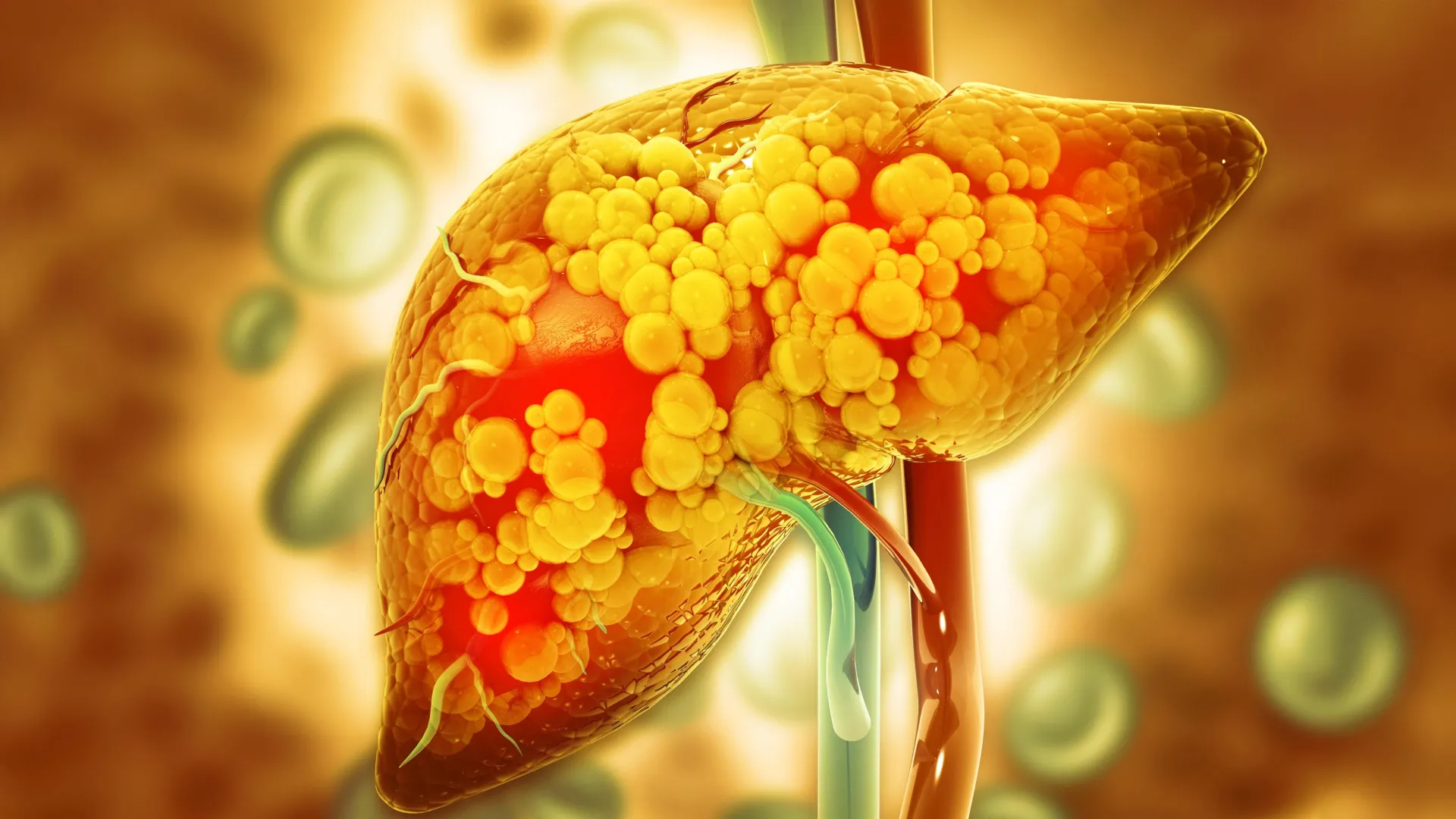
A ketogenic diet produced more dramatic reductions in liver fat than competing approaches in a head-to-head clinical trial, according to new research on metabolic health outcomes in obese patients with prediabetes and fatty liver disease.
All three diet groups in the trial achieved similar weight loss, dropping roughly 10% of body weight over four to five months. The ketogenic approach, however, substantially outperformed both Mediterranean and low-fat diets on liver health metrics. Participants following keto reduced liver fat by 67%, compared with 45% reduction in the Mediterranean and low-fat groups. Approximately half the keto group also reversed their prediabetes status during the trial period, a reversal rate not specified for the comparison groups.
Fatty liver disease, or hepatic steatosis, represents a growing health burden globally. Even modest accumulation of fat in liver tissue correlates with insulin resistance, metabolic dysfunction, and increased cardiovascular risk. The condition frequently accompanies obesity and type 2 diabetes, creating overlapping disease patterns that intensify health complications. Standard interventions like weight loss help, but the degree of benefit varies across dietary approaches.
The ketogenic diet functions by severely restricting carbohydrate intake, typically to less than 50 grams daily, forcing the body to metabolize fat stores for energy instead of glucose. This metabolic shift produces ketone bodies as an alternative fuel source. Prior observational studies suggested keto diets might benefit fatty liver disease more than conventional approaches, but direct comparative trials remained sparse.
The trial design allowed researchers to isolate the effects of different macronutrient compositions at equivalent calorie levels and weight loss amounts. Since all groups lost comparable total body weight, the superior liver fat reduction in the keto group suggests specific metabolic advantages beyond simple caloric deficit. The mechanism likely involves improved insulin sensitivity and reduced visceral adiposity, though the trial data presented here do not specify biochemical measurements.
The prediabetes reversal in half the keto cohort carries clinical weight. Prediabetes affects approximately 88 million American adults, representing a major entry point for type 2 diabetes progression. Reversing this status, even temporarily, reduces downstream cardiovascular and metabolic complications. The trial duration of four to five months provides medium-term evidence but does not address sustainability beyond that window.
Several limitations warrant consideration. The trial excerpted here offers no details on participant demographics, sample size, dropout rates, or whether outcomes persisted at follow-up. Long-term adherence to ketogenic diets proves challenging for many people due to restrictive food choices and social friction. The comparative groups also lacked specification regarding exact Mediterranean or low-fat diet compositions, which vary considerably in practice. Kidney function, cholesterol profiles, and other metabolic markers remain unaddressed in the available summary.
This research adds to growing evidence that macronutrient composition matters for liver health outcomes independently of total caloric intake. Clinicians managing patients with nonalcoholic fatty liver disease increasingly recognize that one-size-fits-all dietary recommendations may underperform. The keto results suggest personalized nutrition approaches targeting specific metabolic phenotypes could optimize treatment responses.
Longer trials tracking adherence, safety across diverse populations, and durability of these improvements would strengthen the evidence base. For now, this trial demonstrates that ketogenic diets produce measurable hepatic benefits beyond weight loss alone, particularly for prediabetes reversal and liver fat reduction.