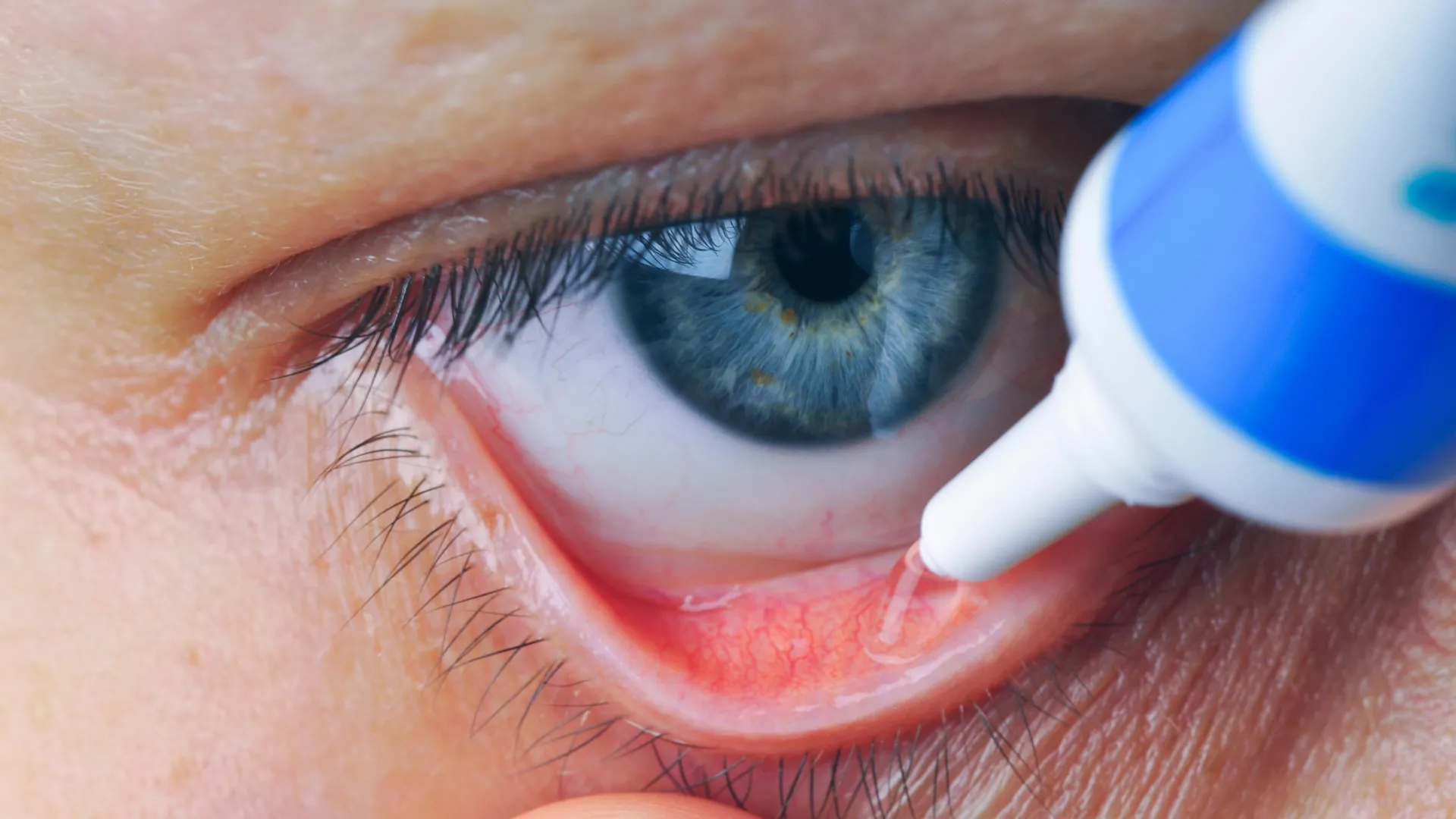
Researchers have developed a novel approach to restoring vision in blind mice using light-activated pharmaceutical compounds delivered as simple eye drops, bypassing the need for gene therapy, surgical implants, or specialized equipment.
The team created drugs that become active when exposed to light, essentially allowing remaining cells in the damaged retina to respond to visual stimuli again. When applied topically to the eyes of blind mice, these compounds enabled the animals to perceive light and recover visually guided behaviors such as navigation and object tracking. The results represent a significant departure from current restoration strategies, which typically require invasive procedures or genetic modification.
The breakthrough emerged from a growing field of research into optopharmacology, which combines light-sensitive chemistry with drug design. Rather than replacing dead photoreceptor cells or rewiring neural circuits, these compounds work by converting existing retinal cells into light detectors. The approach targets intact nerve layers deeper in the retina that remain functional even after photoreceptor loss from conditions like retinitis pigmentosa or age-related macular degeneration.
Two of the experimental compounds showed particular promise when formulated as eye drops, a delivery method far simpler than previous vision restoration approaches. Gene therapy for inherited blindness, such as the FDA-approved Luxturna, requires intravitreal injection directly into the eye. Surgical implants like the Argus II retinal prosthesis demand electrodes embedded in the retina. Both approaches carry surgical risks and significant costs. Eye drops, by contrast, represent a non-invasive delivery system already familiar to patients with glaucoma, dry eye, and other ocular conditions.
The researchers tested their compounds in mouse models of retinal degeneration to confirm efficacy and safety profiles. Treated mice demonstrated restored light perception at physiologically relevant illumination levels and recovered innate avoidance behaviors toward bright environments, suggesting the visual information processing occurred at a fundamental neural level rather than through compensatory mechanisms.
The work builds on earlier successes with injectable light-activated compounds. By achieving similar results through topical administration, the scientists addressed one of the primary obstacles limiting clinical translation: feasibility of repeated dosing and patient compliance. Eye drops can be self-administered at home, eliminating the need for frequent clinic visits required by other approaches.
Several limitations remain before human trials begin. The restored vision in mice did not match natural sight quality, as light-activated compounds provide lower resolution and sensitivity than intact photoreceptor systems. The compounds require specific wavelengths of light to function, which may necessitate guidance on lighting environments or wearable assistance devices. Long-term safety and durability data are absent, and the approach may not benefit all forms of blindness, particularly those affecting the optic nerve or visual cortex.
The identity of the research team and publishing journal were not specified in available materials, though work in this area typically emerges from ophthalmology departments and biomedical engineering laboratories at major research institutions. The next phase likely involves dose optimization, extended safety monitoring, and translation studies in larger animal models before regulatory evaluation for human application.
This approach could eventually offer an accessible first-line treatment for photoreceptor degenerative diseases, particularly for patients ineligible for or resistant to gene therapy.